

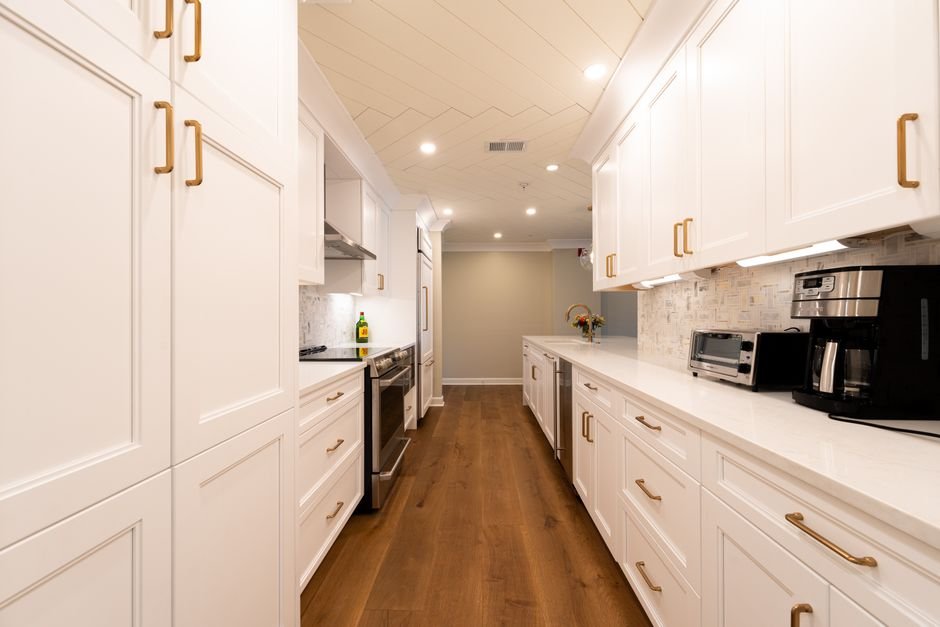
The cost for a kitchen renovation typically falls between $20,000 and $75,000. This range is influenced by factors such as kitchen size, material quality, and design complexity. It's crucial to carefully assess your budget, taking into account the long-term value it adds to your home.
My journey through kitchen renovations revealed that what most people overlook are the hidden costs. You might plan for cabinets and appliances, but what about the extra electrical work or plumbing upgrades? These can add thousands to your budget and here’s what I’ve learned along the way.

The Basics of Kitchen Renovation Expenses
When trying to determine what is the average cost of kitchen renovation, it’s essential to start by understanding that sheer size and scope will significantly impact your budget. For example, a minor remodel in a small kitchen might set you back around $10,000, while an expansive remodel in a larger space could easily cross the $100,000 mark.
Moreover, I’ve often seen homeowners fixate on the flashy items, updated appliances, striking countertops, but lose sight of practical considerations like new plumbing or flooring repairs. When a kitchen doesn’t function well, you’re really just throwing money at beautiful aesthetics without addressing the core utility issues.
Key Factors Influencing Your Renovation Costs
Cost factors include the materials you choose, the layout you desire, and whether you’ll hire professionals or do it yourself. High-end countertop materials like granite or quartz can easily run between $70 to $200 per square foot. In contrast, laminate can be a budget-friendly choice, averaging $20 to $50 per square foot.
Let’s not forget about cabinets, their quality varies widely. Stock cabinets can cost around $100 to $300 per linear foot, while custom options can start from $500 per linear foot and go up. You’ll need to weigh the trade-offs between quality and price carefully.

The Hidden Costs Consumers Often Forget
Many homeowners underestimate costs associated with the renovation timeline. Demolition costs, for instance, can add an extra $1,000 to $3,000, depending on how elaborate your kitchen was before. Furthermore, unexpected issues such as mold or outdated wiring can demand urgent attention, and those bills add up. Always allocate around 10 to 20 percent of your budget for unforeseen circumstances.
Additionally, think about the hidden costs of living without a kitchen during the renovation. While everything is being torn apart and put back together, you might find yourself relying on takeout or dining out more often, which can surprisingly inflate your living expenses. Consider how long you’re comfortable being without a functional kitchen when planning your renovation schedule.
Investing in Kitchen Appliances
New kitchen appliances account for a significant chunk of the renovation budget. While the allure of luxury brands can be tempting, I urge you to focus on energy-efficient options. Standard appliances can range from $1,500 to $5,000 and upscale models can inflate that number to $10,000 or more. Smart technology can be appealing but often comes with hidden costs in installation or compatibility.
If you need to spread your appliance costs over a few years, consider mixing new appliances with your existing ones to balance your budget effectively. I’ve seen folks chance it with used appliances to save costs, but sometimes they end up with maintenance costs that exceed savings.
Choosing Countertop Materials Wisely
Countertops can drastically change the kitchen’s look and feel. However, I strongly advise researching different materials not just for aesthetics but for durability and maintenance costs too. For instance, natural stone like marble requires regular sealing and can be more labor-intensive to maintain, while quartz offers a wider range of colors without the high maintenance.
Concrete is another option, explicitly beautiful but can crack and chip if not poured correctly. Expect to pay from $50 to $150 per square foot, depending on what you select. Weigh the investment against how long you plan to stay in your home, sometimes what seems visually appealing can escalate costs over time.
Deciding on Cabinets: Stock, Semi-Custom, or Custom?
Choosing cabinets can sometimes be the most confusing part. Stock cabinets are the most affordable but may not perfectly fit your kitchen layout. Semi-custom cabinets offer more flexibility for a slightly higher price, making them a common choice. Custom cabinets provide the ultimate tailored fit and design but can cost three times as much as stock options.
Consider your long-term needs, if you think you might sell your home in a few years, semi-custom options might offer you the perfect balance of cost and appeal. If you plan to stay long-term, custom designs can be worth the investment for functionality.
Final Verdict: Making Informed Choices
For the best return on investment, prioritize spending on durable countertops and reliable appliances, which are essential for functionality. If you're on a tighter budget, consider choosing more affordable cabinet options to achieve a balance between quality and cost.
See also our take on kitchen cabinet organizers.
See also our take on kitchen cabinet organizers.
Frequently Asked Questions
How is kitchen renovation cost determined?
Kitchen renovation cost is primarily determined by the scope of the project, the materials chosen, and labor expenses. Factors like the size of the kitchen, complexity of the design, and specific appliances and fixtures selected also play a significant role.
What factors affect kitchen remodel costs?
Several factors affect kitchen remodel costs, including the size of the kitchen, the quality of materials used, and the extent of structural changes required. Additionally, labor costs can vary based on geographic location and the experience level of the contractors.
Is it cheaper to renovate a kitchen or build a new one?
In general, renovating a kitchen is often cheaper than building a new one from scratch, as it typically requires fewer materials and less labor. However, the final cost comparison can depend on the specific changes being made and local market conditions.
Can you renovate a kitchen for under $10,000?
Yes, it is possible to renovate a kitchen for under $10,000, especially if you focus on budget-friendly upgrades like painting cabinets, replacing hardware, and updating appliances. However, significant changes or high-end materials will likely exceed this budget.
Why do kitchen renovation costs vary so much?
Kitchen renovation costs vary widely due to differences in design choices, quality of materials, and local labor rates. Additionally, the kitchen's existing layout and any required structural changes can also contribute to the overall cost.




Leave a Reply