

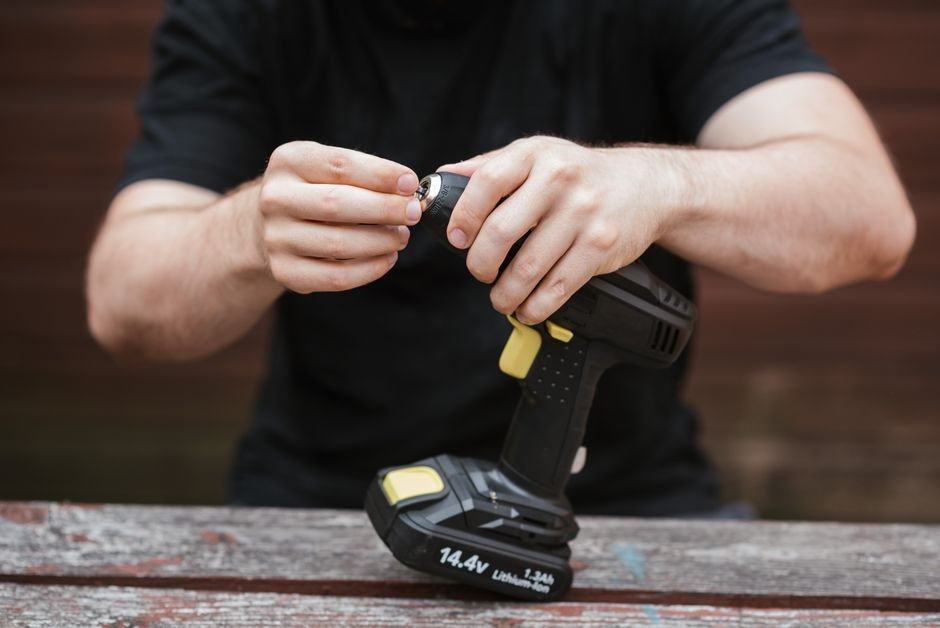
A non-functioning drill can derail your plans, costing you valuable time. Understanding why your drill may stop working is crucial for minimizing downtime and frustration.
There are several reasons your drill might stop. It could be a simple battery issue, severe overheating, or potentially more serious motor problems. Let’s break down the most common issues I’ve learned over time that could be affecting your power tool.
Common Reasons for Drill Power Loss
One of the first things to check is the battery. If your drill is cordless, you’ll want to ensure the battery is fully charged. Sometimes, a battery can lose capacity over time, even if you think it’s charged. It’s worth investing in a new batteryparticularly if your drill is older.
I’ve found that keeping a second battery as a backup can really save time during projects, especially when one battery begins to fail.
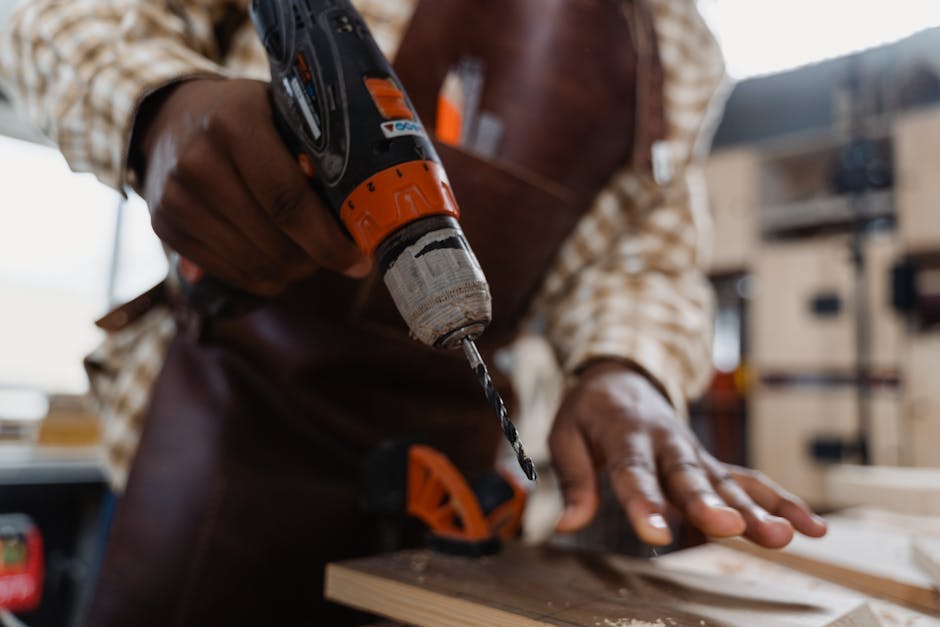
Another frequent issue is overheating. Drills are often used for extended periods, especially during tough jobs. If your drill shuts down suddenly, it could be overheating. In this case, allow it to cool down before trying again. Avoid forcing the tool through materials; it’s better to use a bit that’s appropriate for the material you’re drilling into.
Carrying out frequent breaks can lengthen the overall life of your drill.
How to Diagnose Battery Issues
When your drill stops working, the battery deserves a thorough examination. First, check the contacts to ensure they’re clean and free of debris. If they appear corroded or dirty, a quick clean with some rubbing alcohol can help. If the drill still doesn’t respond, consider testing the battery with a multimeter, as it can give you an accurate reading of its voltage.
If it’s significantly lower than the normal range for that battery type, purchasing a replacement becomes necessary.
If you notice that the drill works intermittently while plugged in but dies if disconnected, it’s likely a battery issue. I have faced this and switched to higher-quality batteries; the performance improved significantly. Learning to keep batteries charged and stored properly can also reduce the frequency of these problems.
Signs of Drill Motor Problems
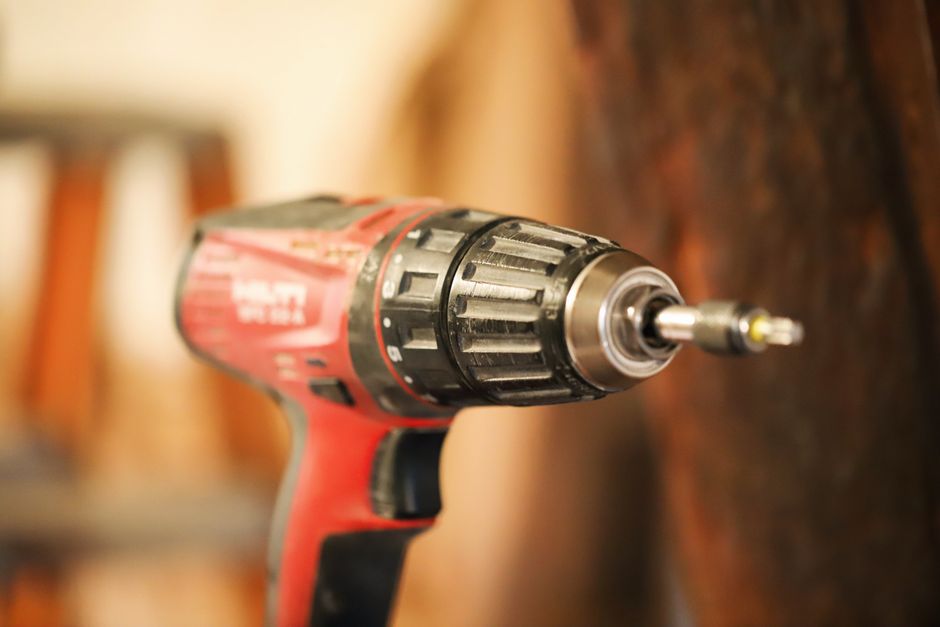
If the battery seems fine, the next suspect is often the motor itself. A drilled motor fault can present various symptoms. The first thing you’ll notice is a strange burning smell. If you catch this early, you might still be on the safe side, but you’ll need to examine the motor promptly.
Frequent stalling or reduced power can also indicate that your drill motor is failing.
Listen for unusual noises like grinding or clicking. If you hear strange sounds during operation, the motor may have internal damage or foreign debris trapped inside. While cleaning it may help, in most cases, you might need professional servicing, or potentially a new drill if the cost of repair outweighs buying a robust replacement.
Is It Worth Repairing Your Drill?
When determining whether to fix a malfunctioning drill, assess the age and brand of the tool. If it’s a high-quality drill that’s a few years old but still meets your needs, repair might be the right choice. Conversely, if you invested in a budget model, the cost of fixing it might not be worth it.
I’ve often realized that spending a bit more on a high-quality tool saves money in the long run.
Keep in mind that troubleshooting often varies by drill model and age. Familiarize yourself with your drill’s specifications through its doc, it may also have manufacturer guidance on common failures, which can be beneficial. Should you find yourself consistently having issues, consider an upgrade for performance you can trust.
If that matters to you, our piece on storage solutions for efficient goes further.
Conclusion: What to Do Next?
For most users, inspecting the battery and power supply first offers the quickest solutions. If issues persist and you're noticing motor problems, it's often best to consider investing in a new, reliable drill rather than attempting repairs.
Frequently Asked Questions
Why does my drill overheat?
A drill can overheat due to prolonged use, inadequate ventilation, or using the wrong drill bit for the material. Overloading the drill by applying too much pressure can also contribute to overheating.
How do I fix a drill that won't start?
To fix a drill that won't start, first check the power source or battery and ensure it is fully charged. If the battery is fine, inspect the trigger switch and wiring for any damage or disconnections.
What causes a drill to lose power?
A drill may lose power due to a weak or dead battery, worn-out brushes in the motor, or internal component failure. Poor connections or debris within the power switch can also hinder performance.
Can a faulty battery stop a drill?
Yes, a faulty battery can stop a drill from functioning. If the battery is not holding a charge or has damaged cells, it will fail to supply the necessary power to operate the drill.
How to prevent drill overheating?
To prevent drill overheating, take regular breaks to allow the motor to cool down, and use appropriate drill bits for the material being worked on. Additionally, ensure proper ventilation and avoid applying excessive pressure while drilling.



Leave a Reply