

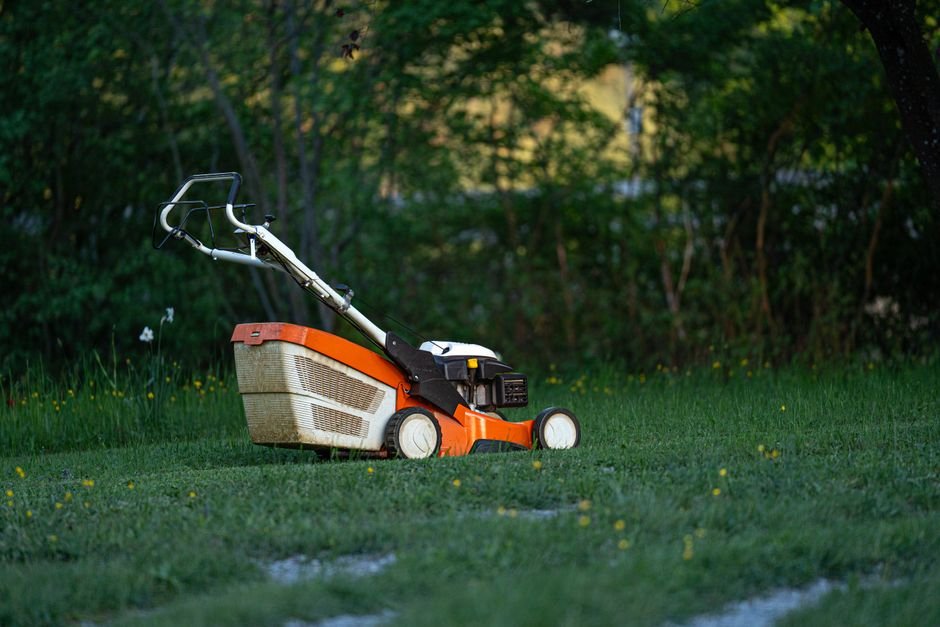
A lawn mower blade can dull after just a few hours of mowing, especially if you're cutting through tough grass or debris. This constant wear can be attributed to factors like uneven terrain or the type of grass being mowed. Addressing these common issues can lead to sharper blades and a healthier lawn.
Let’s delve into why this happens and how you can mitigate the effects. Whether it’s continuous use, improper mowing techniques, or the specific type of grass in your yard, various elements play a role in blade wear. Here, I’ll share my insights and methods to maintain your mower blades effectively.

Frequent Mowing and Impact of Blades Hitting Objects
When you mow frequently, you naturally increase the wear and tear on your blades. In fact, over time, even the best lawn mower blades become dull due to the constant friction against grass, dirt, and other debris. While mowing, I’ve noticed that hitting hidden objects in the grass, like rocks or sticks, can particularly accelerate blade dulling.
Each impact chips away at the metal, making it essential to check your mowing path and remove debris before you start.
If you mow with a sharp blade, you may find that it cuts through grass cleanly, returning the nutrients to your lawn and leaving behind less clumping. But if you consistently encounter debris and twigs while mowing, you’ll need to plan for more frequent sharpening sessions.
For those of us who have a lot of trees or debris on the lawn, this is a critical factor. Regular maintenance, including careful blade inspections, is non-negotiable.
Grass Type Impact
The type of grass in your yard is another significant contributor to blade dullness. Different grasses have varying densities and resistance to cutting. For instance, thick and coarse grasses, like tall fescue or Zoysia, can dull blades more quickly than finer varieties. When my lawn consisted of Kentucky bluegrass, I noticed much less frequent sharpening was needed compared to when I switched to Bermuda grass.
Adjusting your mowing height according to grass type might help preserve blade sharpness as well. For more robust grasses, I’ve found that raising the blade height allows for less stress on the mower, ultimately extending blade life. If your lawn is consistent with tough grass types, consider investing in a more robust blade designed to withstand harder cutting conditions, which can be a game-changer.

Improper Mowing Techniques
The technique you employ while mowing has a significant effect on the longevity of the mower blades. For example, mowing too fast not only results in uneven cuts but also places extra strain on the blades, hastening dulling. This is especially true when the grass is wet or overly dry.
I’ve made a conscious effort to maintain a steady pace while mowing, allowing the blade to work efficiently and effectively.
Additionally, I always change my mowing pattern each time. If you continuously mow in the same direction, you’re essentially creating ruts in the turf, which can lead to more resistance and stress on the blades. By alternating your mowing path, whether it’s diagonal or circular, you can mitigate some of that wear and keep your blades sharper for a longer duration.
Ensuring Proper Blade Maintenance
To combat dulling, regular maintenance is essential. I recommend sharpening your lawn mower blade at least once a season. If you find yourself mowing frequently or dealing with tougher grass, you may need to sharpen it every month. The actual sharpening process straightforward. A metal filebench grinderor a blade sharpening kit can quickly restore the edge.
- Always disconnect the spark plug before sharpening.
- A sharp blade should have a clean edge with no nicks or chips.
- Balance the blade after sharpening to prevent excess wear on the engine.
Most importantly, after sharpening, ensure that your blade is installed correctly and securely. An improperly attached blade can lead to vibrations that result in uneven cutting or further damage to the mower itself.
A Balanced Approach to Lawn Care
Ultimately, lawn mower blade dulling is a combination of mowing habits, grass type, and maintenance routines. Understanding these factors has been instrumental for me in extending the life of my blades while maintaining a healthy lawn. By focusing more on proactive lawn care, I’ve not only reduced the frequency of sharpening but also noticed a marked improvement in the overall appearance of my yard.
It’s all about finding a balance, between cutting, maintenance, and the natural wear that comes with the territory. If you’re dealing with lawn mower blade dullness and looking to address it, consider reassessing your mowing habits and understanding why does my lawn mower blade keep getting dull.
You might also want to check out some resources like Push Mower vs Self-Propelled Mower or Cordless Mower vs Corded Mower to find the best fit for your lawn care needs.
By being more mindful of plant types and mowing practices, you should be able to avoid frequent dulling and enjoy a more efficient mowing experience.
We cover small bathroom organized in more depth separately.
Frequently Asked Questions
What causes lawn mower blades to dull quickly?
Lawn mower blades can dull quickly due to frequent contact with hard surfaces like rocks, soil, and concrete. Additionally, cutting through thick or tough grass and debris can lead to rapid dulling.
How often should you sharpen lawn mower blades?
It is generally recommended to sharpen lawn mower blades every 20 to 25 mowing hours or at least once at the beginning of each mowing season. However, you might need to sharpen them more frequently if you use your mower heavily or cut tough grass.
Can mowing wet grass dull the blades?
Yes, mowing wet grass can dull the blades more quickly because the moisture can cause the grass to stick to the blades, leading to a rougher cut. This uneven cutting action can result in the blades becoming dull faster than when cutting dry grass.
Why does cutting certain grass types dull blades?
Certain grass types, especially those that are thick or coarse, can dull mower blades more quickly due to their density and toughness. Grasses such as Bermuda or Zoysia can present more resistance and strain on blades compared to softer grass types.
How do you properly sharpen a lawn mower blade?
To properly sharpen a lawn mower blade, first disconnect the spark plug and remove the blade from the mower. Use a file, grinder, or sharpening stone to create a sharp edge, ensuring to maintain the original angle and curve of the blade for an effective cut.



Leave a Reply