

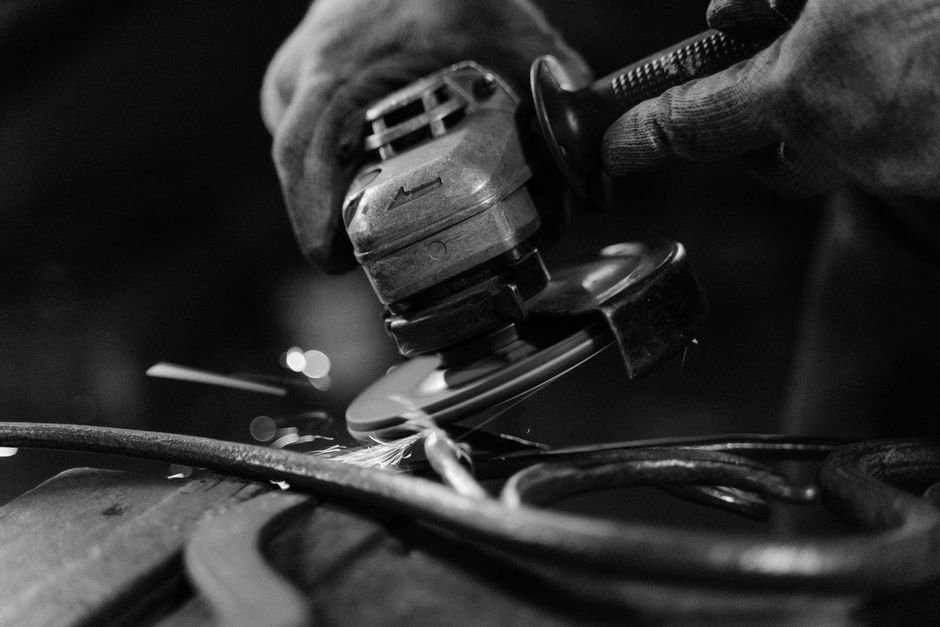
Neglecting to clean power tools after use can result in costly damage, with rust leading to a potential repair bill of hundreds of dollars. A quick clean-up process can prevent reduced performance and extend the life of your tools. Here's a practical guide that will help you maintain your power tools effectively after each use.
Cleaning power tools doesn’t have to be complicated or time-consuming. With the right cleaning supplies and techniques, you can have your tools looking and performing like new. Plus, establishing a routine for cleaning can save you headaches later on, tools that are regularly maintained resist rust and degradation, which can otherwise become costly over time.

Why Cleaning Power Tools is Important
Cleaning your power tools after use plays a significant role in their longevity and efficiency. Dust, debris, and moisture can accumulate and cause rust or malfunctions over time. Regular cleaning not only helps in rust prevention but also keeps your tools ready for immediate use when you need them.
Most people don’t realize that dirt buildup can affect the motor and internal components of the tool. This can lead to overheating, inefficient operation, and even complete failure of the tool. I’ve seen tools break down because they weren’t cleaned properly, it’s a lesson learned the hard way.
Make it a habit to clean your tools; it’s an investment in your equipment.
Step-by-Step Guide to Cleaning
Getting started is simple. Here’s a clear and effective process for cleaning your power tools:
- Gather Supplies: You’ll need a soft bristle brushmicrofiber clothscompressed airand a suitable lubricant. I always keep these on hand in my workshop.
- Unplug and Inspect: Before cleaning, unplug the tool and inspect for any damage. This step is crucial for safety and helps you catch issues early.
- Remove Dust and Debris: Use the brush and compressed air to clear dust and debris from the tool’s exterior and vent openings. Be thorough, particularly around the motor area.
- Wipe Surfaces: Dampen a microfiber cloth and wipe down the tool’s body, being careful to avoid any electrical components. A clean surface not only looks better but also helps maintain performance.
- Apply Lubrication: Use lubricant when recommended by the manufacturer to keep moving parts operating smoothly. This can help prevent rust and ensure ease of use during the next project.
- Store Properly: After cleaning, place your tools in a dry, organized environment. Proper storage is essential for maintaining their condition over time.

Cleaning Different Types of Power Tools
Different power tools may have unique cleaning requirements. For example, saw blades can accumulate resin and pitch, which require a specialized cleaner to remove effectively. Make sure to consult the manufacturer’s instructions for the best cleaning practices based on your tool type.
For cordless drills, check the battery compartment for dust accumulation. If dirt collects here, it can interfere with battery performance. Incorporate this step into your routine for a complete clean. It doesn’t take long, and the benefits are significant.
Creating a Tool Maintenance Routine
Establishing a regular maintenance schedule for your tools can help ensure that cleaning becomes a standard practice rather than an afterthought. I recommend setting aside specific times for maintenance, such as after completing projects. By doing so, you’ll avoid major maintenance down the line and enjoy peace of mind knowing your tools are always ready.
Documenting your cleaning and maintenance activities can also be helpful. Note the frequency of cleaning for different tools, and keep an eye on any changes in their performance. This can give you valuable insights into when a tool is showing signs of wear that may require replacement.
How to Handle Rusted Tools
If you happen to discover that your tools have developed rust, don’t panic. You can usually treat the rust with simple steps. First, scrub the affected areas with steel wool or a wire brush to remove the rust. After that, clean the surface with a cloth dampened in a mild solution of soap and water. Dry it thoroughly before applying a rust-preventive product or lubricant.
Should the rust be too extensive, consider replacing parts or the tool itself. The cost of repair versus replacement should factor into your decision. Heavy degradation can compromise the tool’s safety and effectiveness, not to mention your investment.
Final Recommendations
In summary, knowing how to clean power tools after use involves more than just a quick wipe-down. It requires gathering appropriate tools, understanding specific maintenance needs based on the type of tool, and establishing a solid cleaning routine. By following these steps, you protect your investment and ensure your tools function optimally. You can learn more about how to clean power tools after use in a detailed standard operating procedure.
For those also interested in maintaining other household items, I have a detailed guide on how to declutter a kitchen counter efficientlywhich can help streamline your workspace even further. Regular maintenance pays off in the long run, so start treating your tools with the care they deserve!
For more, read about oven for travel.
Frequently Asked Questions
What is the best way to clean power tools?
The best way to clean power tools is to start by unplugging them and removing any attachments. Use a soft brush or cloth to remove dust and debris, and wipe down surfaces with a damp cloth or a specialized cleaning solution to ensure they are free from grime.
How do I prevent rust on power tools?
To prevent rust on power tools, ensure they are stored in a dry environment and consider applying a light coat of oil to metal surfaces after cleaning. Regular inspections for signs of moisture and corrosion are also essential.
Can you use water to clean power tools?
It's generally not advisable to use water to clean power tools, as moisture can lead to rust and damage electrical components. Instead, use a damp cloth and avoid letting water seep into the tool's mechanical parts.
Why is regular cleaning of power tools important?
Regular cleaning of power tools is important to maintain their performance and extend their lifespan. Clean tools operate more efficiently, reduce the risk of malfunctions, and provide better safety during use.
Are there special cleaners for power tools?
Yes, there are special cleaners designed specifically for power tools that can effectively remove grease, grime, and residue without damaging the equipment. These cleaners often come in spray bottles or wipes that are easy to use.

Leave a Reply