

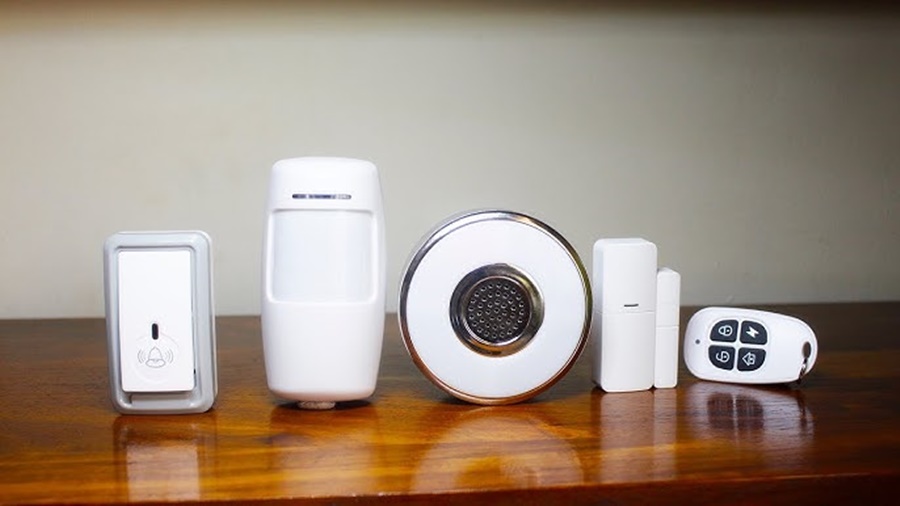
Traditional alarm systems, once the gold standard, are now being challenged by modern smart home security systems that leverage internet connectivity, automation, and real-time data. Security has always been a top priority for homeowners, but the way we protect our homes has evolved significantly over time. Choosing between the two depends on your needs, budget, and comfort with technology.
This article explores both options in detail to help you make an informed decision.
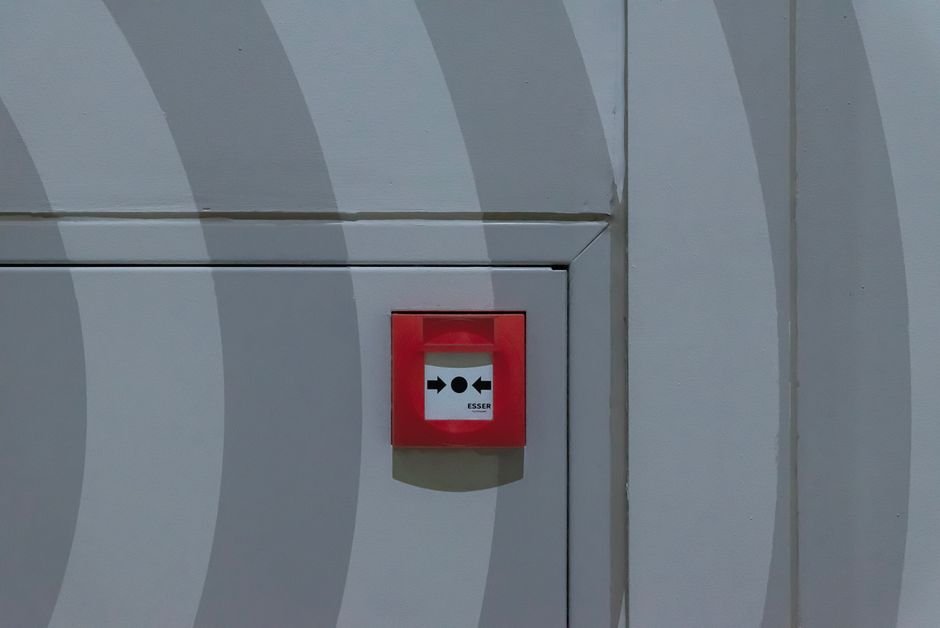
1. Overview of Traditional Alarm Systems
Traditional alarm systems have been around for decades and are designed to detect unauthorized entry through sensors placed on doors and windows. When triggered, these systems typically sound a loud siren and may notify a monitoring center.
Key Features:
- Door and window sensors
- Motion detectors
- Loud audible alarms
- Optional professional monitoring via landline or cellular connection
Advantages:
- Proven reliability with simple functionality
- Less vulnerable to hacking due to limited connectivity
- Works independently of internet access
- Often lower upfront complexity
Disadvantages:
- Limited remote control or access
- Basic functionality without customization
- Dependence on landlines in older systems
- Slower response in some cases without smart alerts
2. Overview of Smart Home Security Systems
Smart home security systems represent the next generation of home protection. These systems connect to the internet and allow users to monitor and control their home security remotely via smartphones, tablets, or computers.
Key Features:
- Wireless sensors and cameras
- Mobile app control and notifications
- Integration with other smart devices (lights, locks, thermostats)
- Cloud storage for video recordings
- Voice assistant compatibility
Advantages:
- Real-time alerts and remote access
- High level of customization and automation
- Easy installation (often DIY)
- Integration with broader smart home ecosystems
- Video surveillance and live streaming
Disadvantages:
- Dependence on internet connectivity
- Potential cybersecurity risks if not properly secured
- Subscription fees for cloud storage and advanced features
- Can be complex for less tech-savvy users
3. Installation and Setup
Traditional systems often require professional installation, involving wiring and configuration that can be time-consuming and costly. In contrast, many smart systems are designed for easy self-installation, using wireless components that can be set up in minutes.
Verdict: Smart systems are generally more user-friendly and flexible when it comes to installation.
4. Monitoring and Alerts
Traditional systems rely heavily on monitoring centers. If an alarm is triggered, the system contacts the center, which then alerts the homeowner or emergency services.
Smart systems, however, send instant notifications directly to your device, allowing you to take immediate action. Many also offer optional professional monitoring.
Verdict: Smart systems provide faster, more direct communication and greater control.
5. Cost Considerations
Traditional alarm systems may have lower upfront costs but often include long-term contracts and monthly monitoring fees.
Smart systems can vary widely in price. While some have higher initial costs (especially with cameras and smart devices), they often offer flexible subscription plans or even free self-monitoring options.
Verdict: Smart systems offer more pricing flexibility, while traditional systems may involve more rigid cost structures.
6. Reliability and Security
Traditional systems are generally stable and less dependent on external factors like internet connectivity. However, they may lack redundancy and modern features.
Smart systems depend on Wi-Fi and power, but many include battery backups and cellular failover options. Cybersecurity is a concern, but can be mitigated with strong passwords, encryption, and regular updates.
Verdict: Traditional systems are simpler and inherently stable, but smart systems can be equally reliable with proper setup.
7. Scalability and Integration
Traditional systems are often limited in expansion and integration capabilities. Adding new features may require hardware upgrades or professional assistance.
Smart systems excel in scalability. You can easily add cameras, sensors, or integrate with other smart home devices like smart locks, lighting systems, and voice assistants.
Verdict: Smart systems are far superior in terms of flexibility and future expansion.
8. User Experience
Traditional systems typically involve keypads and manual controls, which may feel outdated compared to modern interfaces.
Smart systems provide intuitive mobile apps, voice control, and automation routines, offering a more seamless and engaging user experience.
Verdict: Smart systems provide a significantly better user experience.

Who Each Option Suits Best
Traditional alarm systems fit individuals who prefer straightforward security measures and minimal technology. These systems work well for non-tech-savvy people who appreciate a simple setup and clear alerts.
Smart home security systems appeal to tech enthusiasts. They integrate various devices like smart locks and cameras. If you enjoy customizing your home experience or managing security through mobile apps, this is your best option.
Consider your lifestyle too. If remote monitoring and automation are key for you, opt for a smart system. If you want reliable, no-fuss protection, go traditional.
Our write-up on wired security picks up where this leaves off.
Conclusion
Both smart home security systems and traditional alarm systems have their place in today’s world. Traditional systems are reliable, straightforward, and less dependent on internet connectivity, making them suitable for users who prefer simplicity and stability.
On the other hand, smart home security systems offer advanced features, real-time control, and seamless integration with modern technology. They are ideal for homeowners looking for convenience, customization, and enhanced awareness of their property.





Leave a Reply