

Two of the most common options are battery-powered cameras and wired cameras. Choosing the right security camera system is an important decision for protecting your home or business. Each comes with its own strengths, limitations, and ideal use cases. Understanding how they differ will help you make a smarter, long-term investment.
1. What Are Battery-Powered Security Cameras?
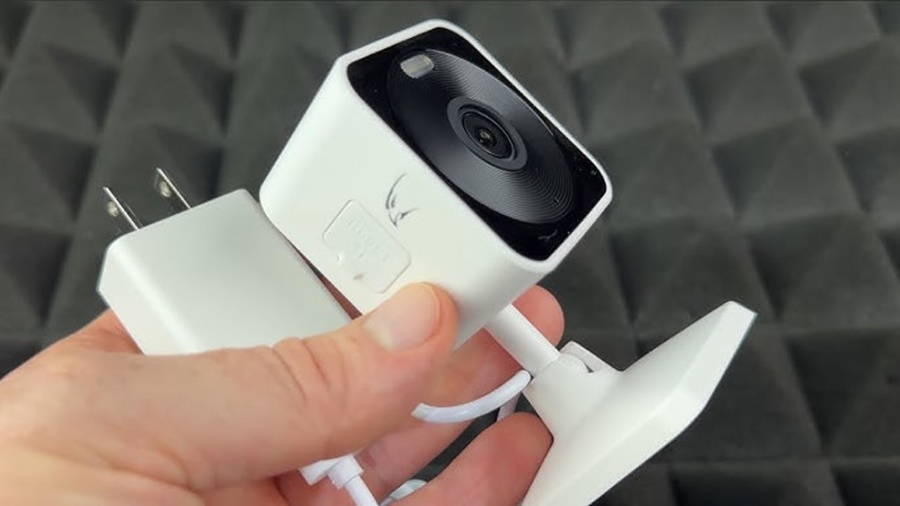
Battery-powered security cameras run on rechargeable or replaceable batteries instead of being connected to a constant power source. They are typically wireless, meaning they transmit footage over Wi-Fi.
Advantages
Easy installation
Battery-powered cameras are simple to set up. You don’t need to drill through walls or deal with electrical wiring. This makes them ideal for renters or anyone who wants a quick setup.
Flexible placement
Since there are no wires, you can install them almost anywhere indoors or outdoors. They’re especially useful for areas where power outlets are not available.
Portability
You can easily move them if you change your layout or relocate.
Clean appearance
No visible cables means a more discreet and aesthetically pleasing setup.
Disadvantages
Battery maintenance
You’ll need to recharge or replace batteries regularly. Depending on usage, this could be every few weeks or months.
Limited recording
To conserve battery, many models only record when motion is detected rather than continuously.
Wi-Fi dependency
They rely heavily on a stable internet connection. Weak signals can affect performance.
Potential downtime
If the battery dies unexpectedly, your security coverage stops.
2. What Are Wired Security Cameras?
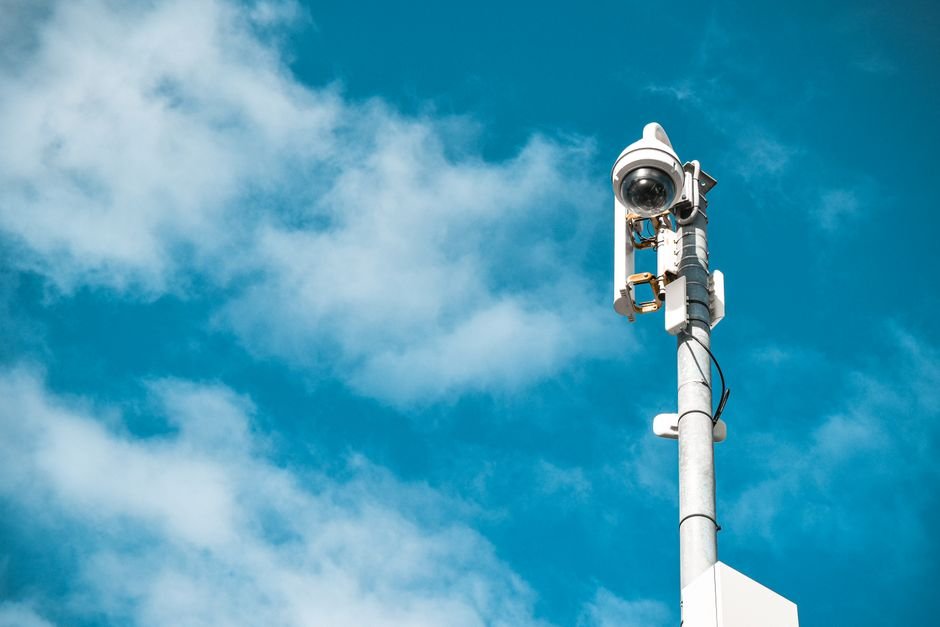
Wired security cameras are connected directly to a power source and often to a recording system via cables. Some use Ethernet cables (PoE—Power over Ethernet), while others require separate power and video cables.
Advantages
Continuous power supply
Since they’re plugged in, you don’t have to worry about batteries running out.
24/7 recording capability
Wired systems can record continuously, offering more comprehensive surveillance.
Stable connection
They are less prone to signal interference compared to wireless systems.
Higher reliability
Ideal for critical security needs where uninterrupted monitoring is essential.
Disadvantages
Complex installation
Installation can be time-consuming and may require professional help, especially if drilling or wiring through walls is needed.
Limited flexibility
Once installed, moving them is difficult and often impractical.
Visible wiring
Cables can affect the appearance unless carefully concealed.
Higher upfront cost
Installation and equipment costs can be higher compared to battery-powered options.
3. Key Differences at a Glance
| Feature | Battery-Powered Cameras | Wired Cameras |
|---|---|---|
| Installation | Easy, DIY-friendly | Complex, may need professional help |
| Power Source | Rechargeable/replaceable battery | Continuous electrical supply |
| Recording Type | Motion-based | Continuous or scheduled |
| Flexibility | Highly flexible | Fixed placement |
| Maintenance | Regular battery charging | Minimal once installed |
| Reliability | Depends on battery & Wi-Fi | Very reliable |
4. Which One Should You Choose?
Choose battery-powered cameras if:
- You want a quick and simple setup
- You live in a rental property
- You need flexibility in camera placement
- You don’t mind occasional maintenance
Choose wired cameras if:
- You want uninterrupted, 24/7 surveillance
- You own the property and can install wiring
- You prefer a long-term, low-maintenance solution
- Security is a top priority (e.g., businesses, large homes)
5. Hybrid Approach: Best of Both Worlds
Many people now use a combination of both systems. For example, wired cameras can cover main entry points, while battery-powered cameras monitor less critical or hard-to-reach areas. This approach balances reliability with flexibility.
Cost Considerations
The initial cost can vary widely between battery-powered and wired security cameras. Battery-powered units often have a lower upfront investment but can incur costs over time. Replacing batteries or charging them can add to your expenses, especially in larger setups.
On the other hand, wired systems usually entail higher installation costs, as you need to run cables and possibly drill holes. However, they tend to have lower long-term maintenance costs. You won’t frequently change batteries, which can save money over several years.
Here’s a quick comparison of potential costs:
- Battery-Powered: $100-$300 per camera, additional $20-$50 for replacements/year
- Wired: $200-$500 per camera, lower maintenance with occasional service fees
Maintenance Tips for Your Security System
Proper maintenance is crucial to keep your security cameras functioning optimally. For battery-powered cameras, check the battery level monthly. Some cameras send alerts, but it’s wise to have a regular schedule for your peace of mind.
If you have wired cameras, inspect your connections and wires regularly. Look for signs of wear or corrosion, which can compromise video quality. You should also clean the camera lenses periodically to avoid obstructions in the footage.
Consider having a seasonal maintenance routine to address both types. This can prevent issues and ensure that your security remains effective.

Who Each Option Suits Best
Battery-powered cameras are excellent for renters or those wanting easy installation without wiring hassles. If you live in an area with frequent storms, you might appreciate the flexibility. These cameras can easily be relocated if needed.
Conversely, wired systems best serve permanent homeowners who want robust, stable camera setups. If you plan to monitor larger properties or areas needing consistent surveillance, wired options deliver reliable performance. For more information on types of cameras like these, check out this wireless security camera overview.
Ultimately, your living situation and security goals will help determine the best fit for your needs.
If that matters to you, our piece on video doorbell goes further.
Conclusion
There is no one-size-fits-all answer when it comes to security cameras. Battery-powered systems offer convenience and flexibility, while wired systems deliver reliability and continuous monitoring. Your decision should depend on your property, budget, and how critical uninterrupted surveillance is to you.
Taking the time to assess your needs now will save you from costly upgrades or frustrations later.





Leave a Reply