

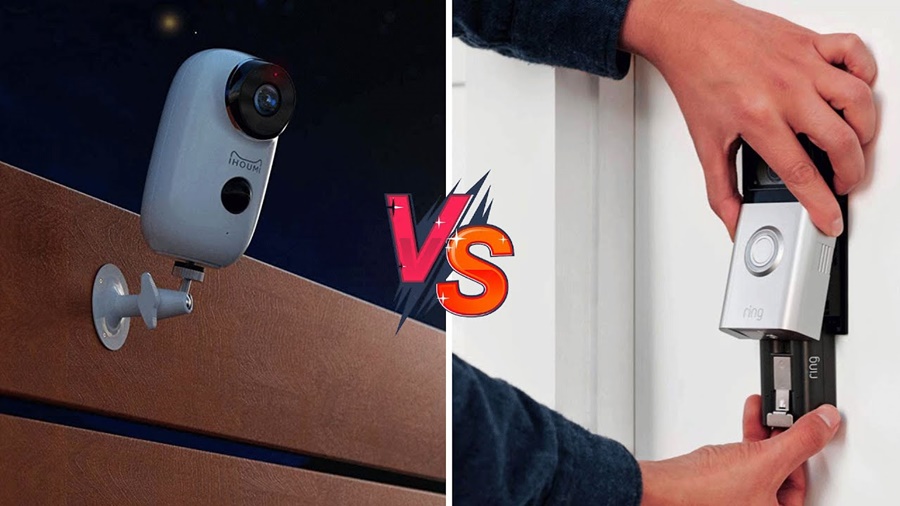
Two of the most popular options are video doorbells and security cameras. Home security technology has evolved rapidly over the past decade, giving homeowners more ways than ever to protect their property and loved ones. While both devices improve safety and provide peace of mind, they serve different purposes and offer distinct advantages.
If you are deciding between a video doorbell and a security camera, understanding how they work, where they perform best, and what features matter most will help you make the right choice. This article explores the differences, benefits, drawbacks, and ideal use cases for each option.
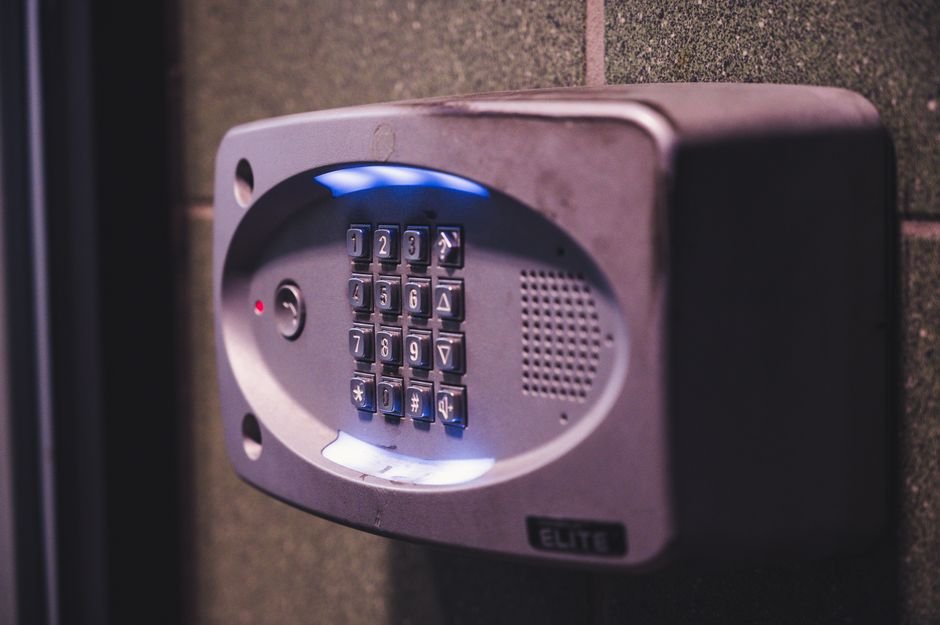
What Is a Video Doorbell?
A video doorbell is a smart device installed near your front door that combines a traditional doorbell with a built-in camera, microphone, speaker, and motion detection technology. When someone approaches your door or presses the bell, the device sends a notification to your smartphone or smart home system.
Most video doorbells allow two-way communication, enabling you to speak with visitors remotely whether you are at home, at work, or traveling.
Main Features of Video Doorbells
- Front-door monitoring
- Motion alerts
- Two-way audio communication
- Live video streaming
- Smartphone notifications
- Night vision
- Cloud or local video recording
- Smart home integration
Video doorbells are mainly designed to monitor package deliveries, visitors, and suspicious activity near the entrance of a home.
What Is a Security Camera?
A security camera is a surveillance device designed to monitor indoor or outdoor areas continuously. Security cameras can be placed almost anywhere, including driveways, garages, hallways, backyards, offices, and parking spaces.
Modern security cameras come in wired and wireless models and may include advanced features such as AI motion detection, facial recognition, zoom capabilities, and wide-angle coverage.
Main Features of Security Cameras
- Continuous or motion-based recording
- Wide-area surveillance
- Indoor and outdoor installation
- High-definition video quality
- Infrared night vision
- Remote viewing
- Cloud or local storage
- Smart detection technology
Security cameras are typically used for broader property monitoring rather than focusing only on entry points.
Key Differences Between Video Doorbells and Security Cameras
Although both devices provide surveillance, there are several important differences between them.
1. Purpose
Video Doorbell
A video doorbell primarily focuses on monitoring your front entrance. It is designed for interaction with visitors and package monitoring.
Security Camera
A security camera provides surveillance for larger or multiple areas of a property, helping detect intrusions or unusual activity.
2. Placement
Video Doorbell
Installed beside or above the front door.
Security Camera
Can be mounted:
- Indoors
- Outdoors
- On ceilings
- Walls
- Garages
- Driveways
- Backyards
Security cameras offer much more flexibility in placement.
3. Coverage Area
Video Doorbell
Usually covers a limited field of view centered around the entrance.
Security Camera
Can monitor wider areas and multiple angles depending on the lens and positioning.
For complete property surveillance, security cameras are generally more effective.
4. Two-Way Communication
Video Doorbell
Two-way audio is a core feature. You can communicate directly with visitors.
Security Camera
Some models include two-way audio, but not all. Many are designed mainly for monitoring rather than communication.
5. Installation
Video Doorbell
Usually easier to install. Many wireless models can be mounted with minimal tools.
Security Camera
Installation can vary:
- Wireless cameras are relatively simple
- Wired systems may require professional installation
Complex systems with multiple cameras often take more time to set up.
6. Recording Style
Video Doorbell
Typically records when motion is detected or when someone presses the doorbell.
Security Camera
Can offer:
- Continuous 24/7 recording
- Motion-triggered recording
- Scheduled recording
This makes security cameras more suitable for detailed surveillance.
Advantages of Video Doorbells
Enhanced Front Door Security
Video doorbells help monitor visitors, deliveries, and suspicious activity directly at your entrance.
Package Theft Prevention
With the rise of online shopping, package theft has become common. A video doorbell helps homeowners monitor deliveries in real time.
Convenience
You can answer the door remotely using your smartphone, even if you are not home.
Visitor Screening
You can see who is at your door before opening it, adding another layer of safety.
Smart Home Integration
Many video doorbells work seamlessly with:
- Smart locks
- Smart lights
- Voice assistants
- Home automation systems
Disadvantages of Video Doorbells
Limited Coverage
A video doorbell only monitors the entrance area and may not protect other parts of the property.
Dependence on Wi-Fi
Most smart doorbells rely heavily on stable internet connectivity.
Subscription Fees
Some brands require monthly subscriptions for cloud storage and advanced features.
Battery Maintenance
Wireless models may require regular battery charging.
Advantages of Security Cameras
Comprehensive Surveillance
Security cameras can monitor multiple areas simultaneously.
Better Deterrence
Visible cameras around a property can discourage criminal activity.
Flexible Installation
You can place cameras exactly where surveillance is needed most.
Advanced Features
Many modern systems include:
- AI motion detection
- Facial recognition
- Vehicle detection
- Zoom tracking
- Pan-and-tilt controls
Continuous Recording
Unlike many video doorbells, security cameras can provide nonstop recording for better evidence collection.
Disadvantages of Security Cameras
Higher Cost
A complete camera system can be more expensive than a single video doorbell.
Complex Installation
Wired systems may require drilling, cabling, and professional setup.
Privacy Concerns
Indoor cameras may create privacy concerns for family members or guests.
Maintenance
Multiple cameras may require:
- Firmware updates
- Storage management
- Battery charging
- Cleaning
Which Device Is Better for Apartments?
For apartment residents, video doorbells are often the better option because:
- They focus on the front entrance
- They are easier to install
- They are more affordable
- They fit smaller living spaces
However, renters should check building rules before installing any smart surveillance device.
Which Device Is Better for Large Homes?
For larger homes, security cameras are usually more effective because they can monitor:
- Multiple entrances
- Garages
- Backyards
- Side gates
- Driveways
A combination of outdoor and indoor cameras creates stronger overall security coverage.
Can You Use Both Together?
Yes. In fact, many homeowners combine video doorbells with security cameras for complete protection.
A common setup includes:
- A video doorbell at the front entrance
- Outdoor cameras around the perimeter
- Indoor cameras in key areas
This layered approach improves security and provides more complete monitoring.
Important Features to Consider Before Buying
Whether choosing a video doorbell or security camera, consider these important features:
Video Quality
Look for:
- 1080p minimum resolution
- HDR support
- Clear night vision
Higher video quality improves identification accuracy.
Motion Detection
Advanced motion detection helps reduce false alerts caused by:
- Animals
- Moving trees
- Passing cars
AI-powered detection can identify people more accurately.
Storage Options
Choose between:
- Cloud storage
- Local storage
- Hybrid storage
Cloud plans may involve monthly fees.
Power Source
Options include:
- Battery-powered
- Wired
- Solar-powered
Wired devices usually offer more reliable operation.
Smart Home Compatibility
Check compatibility with:
- Voice assistants
- Smart displays
- Home automation systems
Integration can improve convenience and automation.
Cost Comparison
Video Doorbells
Typical costs:
- Budget models: affordable
- Mid-range models: moderate pricing
- Premium models: advanced AI and high-resolution features
Additional costs may include cloud subscriptions.
Security Cameras
Costs vary depending on:
- Number of cameras
- Recording system
- Installation type
- Smart features
Professional systems can become significantly more expensive.
Privacy and Legal Considerations
Before installing surveillance devices, homeowners should understand local privacy laws. Recording public spaces, neighbors’ property, or conversations may be restricted in some regions.
It is important to:
- Inform household members
- Position cameras responsibly
- Use secure passwords
- Enable two-factor authentication
Protecting recorded data is just as important as physical security.
Final Verdict
The best choice depends on your security needs, property size, and budget.
Choose a Video Doorbell If:
- You mainly want to monitor your front door
- You receive frequent deliveries
- You want easy installation
- You prefer visitor interaction features
- You live in an apartment or small home
Choose Security Cameras If:
- You need full-property surveillance
- You want continuous recording
- You need coverage for multiple areas
- You own a large property
- You want advanced monitoring features
Best Overall Solution
For maximum protection, combining both devices is often the smartest option. A video doorbell secures your entrance, while security cameras provide wider coverage across the property.
Together, they create a more complete and effective home security system.
Conclusion
Video doorbells and security cameras both play important roles in modern home security. While they share some similar functions, they are designed for different purposes. Video doorbells excel at front-door interaction and package monitoring, whereas security cameras provide broader surveillance and stronger overall coverage.
Understanding your specific security concerns, property layout, and budget will help determine which option fits your needs best. Whether you choose one device or combine both, investing in smart security technology can greatly improve safety, convenience, and peace of mind.





Leave a Reply