

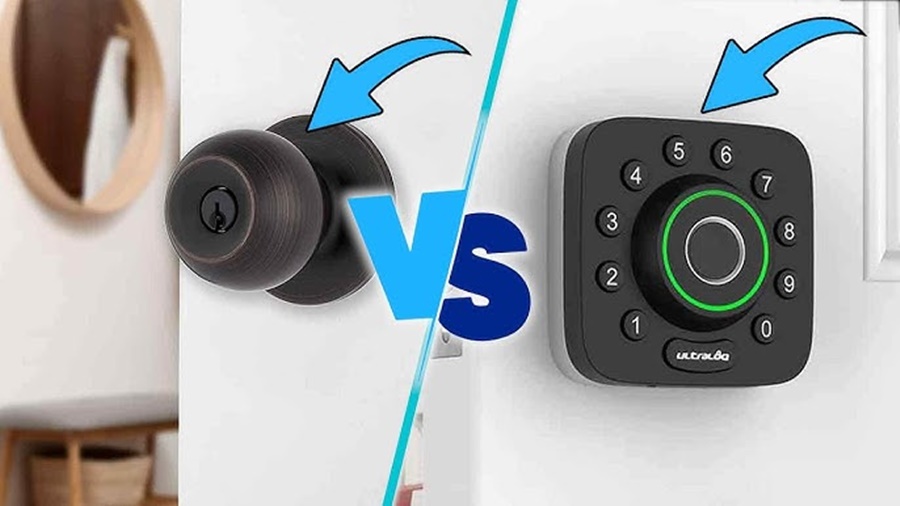
For generations, traditional locks protected homes with simple mechanical systems and physical keys. Home security has evolved significantly over the past decade. Today, smart locks offer keyless entry, smartphone control, remote monitoring, and integration with smart home devices.
As homeowners become more focused on safety, convenience, and technology, the debate between smart locks and traditional locks has become increasingly important. Each option has strengths and weaknesses, and the right choice depends on your lifestyle, budget, and security needs.
This article explores the differences between smart locks and traditional locks, comparing their security, convenience, costs, reliability, installation, and overall effectiveness for home protection.
What Are Traditional Locks?
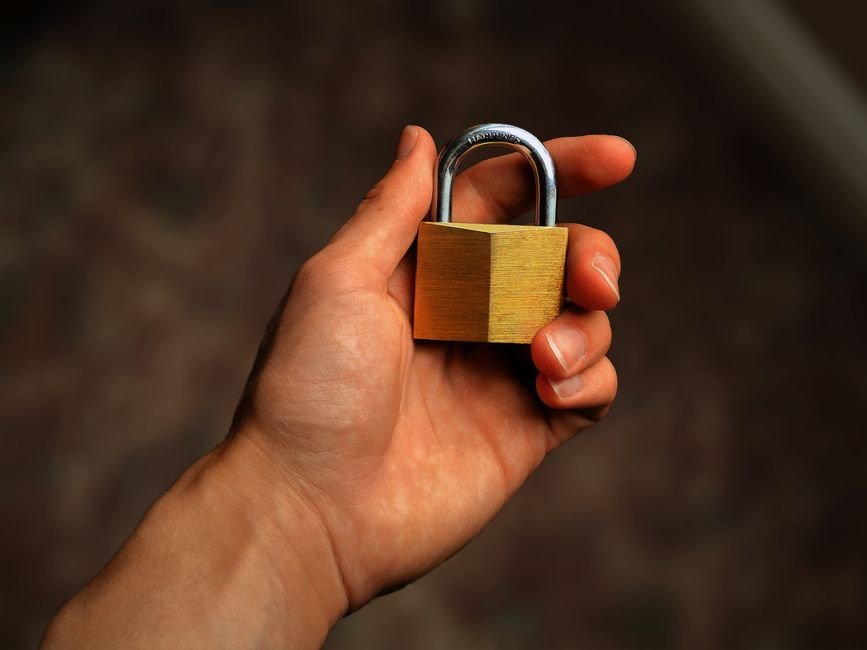
Traditional locks are mechanical locking systems operated using physical keys. Common examples include deadbolts, mortise locks, knob locks, and cylinder locks. These locks rely on internal mechanical components that align when the correct key is inserted.
Traditional locks have been used for centuries and remain one of the most common forms of residential security worldwide. Their popularity comes from their simplicity, affordability, and reliability.
What Are Smart Locks?
Smart locks are electronic locking systems that allow doors to be locked or unlocked digitally. Instead of relying solely on a physical key, smart locks may use:
- Smartphone apps
- PIN codes
- Fingerprint scanners
- Bluetooth
- Wi-Fi
- RFID cards
- Voice assistants
Many smart locks can also connect to smart home systems such as Alexa, Google Home, or Apple HomeKit. Some models include features like remote access, auto-locking, tamper alerts, and activity logs.
Security Comparison
Traditional Locks: Security Strengths
Traditional locks offer strong physical security, especially high-quality deadbolts. Since they are not connected to the internet, they cannot be hacked remotely. They continue functioning during power outages and do not depend on batteries or wireless signals.
For homeowners who prefer straightforward and dependable protection, traditional locks remain highly effective.
Advantages of Traditional Locks
- Resistant to cyberattacks
- No software vulnerabilities
- No battery dependence
- Long-lasting mechanical reliability
- Lower maintenance requirements
However, traditional locks also have weaknesses.
Weaknesses of Traditional Locks
Physical keys can be:
- Lost
- Stolen
- Duplicated
Additionally, lower-quality locks may be vulnerable to:
- Lock picking
- Lock bumping
- Forced entry
Once someone copies a key, homeowners may not even realize their security has been compromised.
Smart Locks: Security Strengths
Smart locks introduce modern security features that traditional locks cannot provide. Many models include:
- Real-time alerts
- Auto-locking
- Access logs
- Temporary guest codes
- Remote locking and unlocking
These features help homeowners monitor entry activity and reduce human error, such as forgetting to lock the door.
Some advanced smart locks also use encrypted communication and biometric authentication for added protection.
Advantages of Smart Locks
- Keyless convenience
- Remote access management
- Temporary digital keys
- Activity tracking
- Integration with smart home systems
- Reduced risk of lost physical keys
For families, Airbnb hosts, and homeowners who frequently share access with guests or service providers, these features can be extremely useful.
Weaknesses of Smart Locks
Despite their advanced features, smart locks come with technological risks.
Common Concerns Include:
- Battery failure
- Connectivity issues
- Software glitches
- App malfunctions
- Hacking risks
If homeowners fail to update firmware or use weak passwords, smart locks may become vulnerable to cyber threats.
Some users and security professionals argue that smart locks improve convenience more than actual physical security.
Additionally, if internet service or power fails, some smart lock functions may stop working unless the lock includes backup systems.
Convenience Comparison
Traditional Locks
Traditional locks are easy to understand and simple to operate. No apps, internet, or technical setup are required.
However, they can become inconvenient when:
- Keys are misplaced
- Multiple family members need access
- Temporary access must be granted
- Homeowners forget to lock doors
Rekeying locks after losing keys can also be costly and time-consuming.
Smart Locks
Convenience is where smart locks excel.
Features often include:
- Unlocking doors with smartphones
- Fingerprint recognition
- Voice control
- Automatic locking
- Remote access from anywhere
Homeowners can provide temporary codes for:
- Guests
- Delivery workers
- House cleaners
- Maintenance staff
Some smart locks even unlock automatically when the homeowner approaches the door.
For busy households, this convenience can significantly improve daily life.
Reliability and Durability
Traditional Locks
Traditional locks are generally more reliable over long periods because they contain fewer electronic components.
High-quality mechanical deadbolts can last decades with minimal maintenance.
They continue functioning during:
- Internet outages
- Wi-Fi failures
- Battery depletion
- Software crashes
This makes them especially appealing for homeowners who value simplicity and consistency.
Smart Locks
Smart locks rely on technology, which introduces more potential failure points.
Possible issues include:
- Dead batteries
- Software bugs
- Network disruptions
- Device compatibility problems
Although most modern smart locks include backup keys or emergency power options, failures can still occur.
The reliability of smart locks depends heavily on:
- Brand quality
- Firmware support
- Proper installation
- Regular maintenance
Cost Comparison
Traditional Locks
Traditional locks are usually far less expensive.
Basic deadbolts may cost:
- $30 to $80 for standard models
- Higher for premium security versions
Installation is often simple and inexpensive.
Maintenance costs are also low because there are no batteries, apps, or subscriptions involved.
Smart Locks
Smart locks are considerably more expensive.
Typical pricing ranges:
- $100 to $350 or more for hardware
- Additional installation fees
- Possible subscription costs for cloud features
Homeowners may also need:
- Wi-Fi hubs
- Smart home systems
- Battery replacements
While the convenience can justify the cost for some users, others may find traditional locks more economical.
Privacy Concerns
Traditional locks provide strong privacy because they do not collect user data.
Smart locks, on the other hand, may:
- Store access logs
- Connect to cloud services
- Share data with mobile apps
As with any smart device, privacy risks depend on:
- Manufacturer policies
- Data encryption
- User security practices
Researchers have identified privacy and cybersecurity concerns associated with smart home devices, including unauthorized access and data collection risks.
Best Choice for Different Homeowners
Traditional Locks Are Best For:
- Budget-conscious homeowners
- People who prefer simplicity
- Homes in areas with unstable internet or power
- Users uncomfortable with technology
- Those prioritizing reliability over convenience
Smart Locks Are Best For:
- Smart home users
- Tech-savvy homeowners
- Families needing flexible access control
- Airbnb or rental property owners
- People who frequently forget keys
- Homeowners wanting remote monitoring
Hybrid Solutions: The Best of Both Worlds
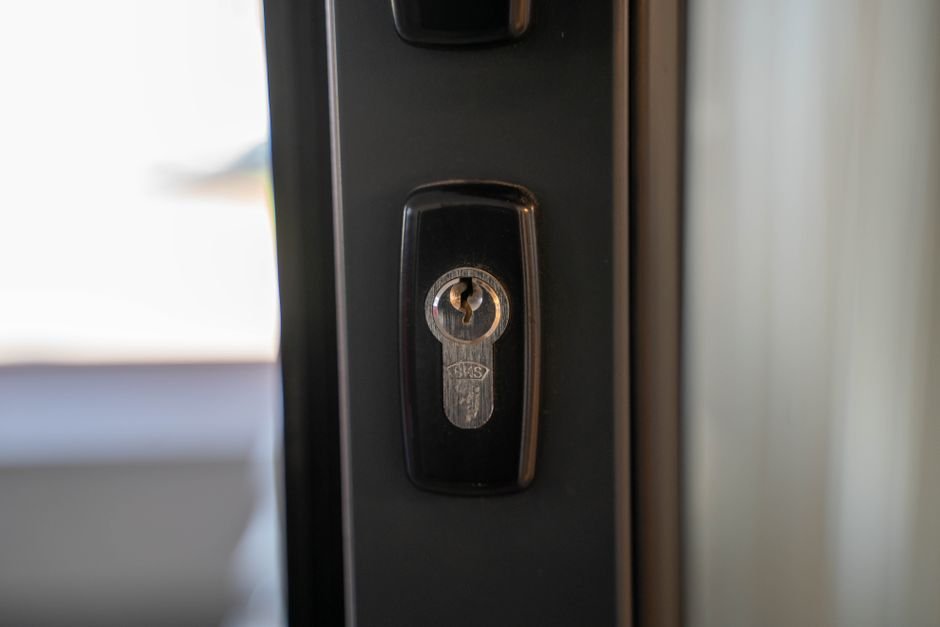
Many experts recommend hybrid systems that combine smart technology with traditional deadbolts.
These locks offer:
- Digital convenience
- Backup physical keys
- Enhanced flexibility
- Better emergency access
A hybrid approach can reduce the risks associated with relying entirely on either mechanical or digital systems.
There is more on video doorbell elsewhere on the site.
Conclusion
The debate between smart locks and traditional locks is not about which option is universally better. Instead, it depends on what homeowners value most.
Traditional locks remain dependable, affordable, and resistant to cyber threats. They offer proven physical security with minimal maintenance.
Smart locks provide unmatched convenience, remote control, activity monitoring, and integration with modern smart homes. However, they also introduce technological risks and higher costs.
For many homeowners, the ideal solution may be a combination of both — a high-quality deadbolt paired with a trusted smart lock system.
Ultimately, home security depends not only on the type of lock you choose but also on:
- Proper installation
- Strong doors and frames
- Good security habits
- Regular maintenance
- Overall home protection strategies
A lock is only one part of a complete home security system, but choosing the right one can make your home safer, smarter, and more secure.




Leave a Reply