

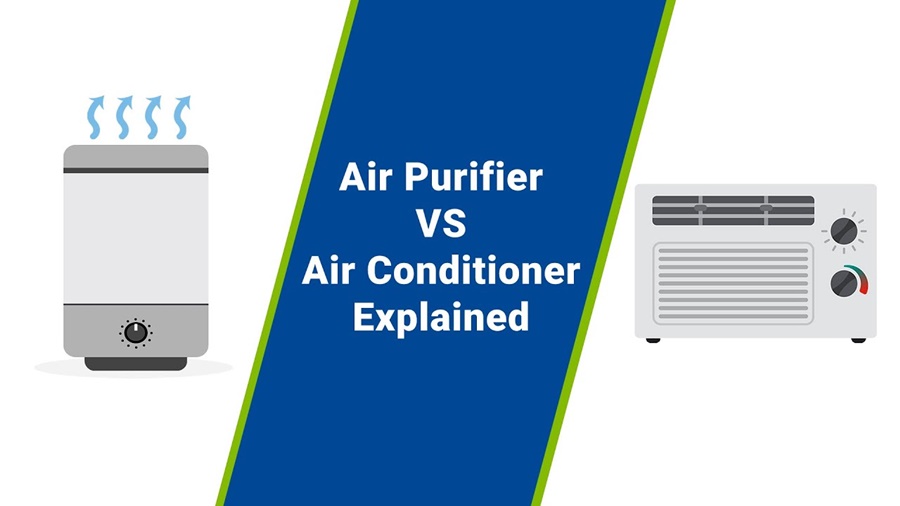
Many people assume that air purifiers and air conditioners perform the same function because both devices improve indoor comfort. However, they serve very different purposes. An air conditioner is designed to regulate temperature and humidity, while an air purifier focuses on improving indoor air quality by removing pollutants and contaminants from the air.
Understanding the differences between these two appliances can help homeowners make informed decisions about which device they need—or whether they would benefit from using both together. This article explores the features, benefits, and limitations of air purifiers and air conditioners to help you choose the right solution for your home or workplace.
What Is an Air Purifier?
An air purifier is a device specifically designed to clean the air by removing harmful particles and pollutants. It works by drawing air through one or more filters that trap contaminants before releasing cleaner air back into the room.
Common Pollutants Removed by Air Purifiers
- Dust and dirt particles
- Pollen
- Pet dander
- Mold spores
- Smoke particles
- Airborne bacteria
- Certain viruses
- Volatile Organic Compounds (VOCs) in advanced models
How Air Purifiers Work
Most air purifiers use High-Efficiency Particulate Air (HEPA) filters that can capture extremely small particles. Some models also include activated carbon filters to remove odors and gases, while others use UV-C technology to neutralize microorganisms.
Benefits of Air Purifiers
- Improves indoor air quality
- Reduces allergy symptoms
- Helps people with asthma and respiratory conditions
- Eliminates unpleasant odors
- Removes airborne pollutants
- Creates a healthier living environment
Limitations of Air Purifiers
- Does not cool the room
- Cannot significantly lower humidity
- Requires regular filter replacement
- Effectiveness depends on room size and purifier capacity
What Is an Air Conditioner?
An air conditioner is a cooling system that regulates indoor temperature by removing heat from the air. It creates a more comfortable environment, especially during hot weather.
How Air Conditioners Work
Air conditioners use refrigerants and compressors to absorb heat from indoor air and release it outside. The cooled air is then circulated back into the room.
Main Functions of Air Conditioners
- Cooling indoor spaces
- Controlling temperature
- Reducing excess humidity
- Improving comfort during warm seasons
Benefits of Air Conditioners
- Maintains comfortable temperatures
- Reduces humidity levels
- Improves sleep quality during hot weather
- Protects electronic devices from excessive heat
- Enhances productivity in homes and offices
Limitations of Air Conditioners
- Does not effectively remove fine pollutants
- Cannot eliminate allergens completely
- May circulate dust if filters are dirty
- Higher energy consumption compared to many air purifiers
Air Purifier vs Air Conditioner: Key Differences
| Feature | Air Purifier | Air Conditioner |
|---|---|---|
| Primary Purpose | Cleans indoor air | Cools indoor air |
| Removes Dust and Allergens | Yes | Limited |
| Controls Temperature | No | Yes |
| Reduces Humidity | Minimal | Yes |
| Removes Odors | Yes (with carbon filter) | No |
| Improves Air Quality | Excellent | Limited |
| Energy Consumption | Generally lower | Generally higher |
| Helps Allergy Sufferers | Yes | Partially |
| Cooling Function | No | Yes |
Which Device Is Better for Allergies?
For people suffering from allergies, an air purifier is generally the better choice. Air purifiers are specifically designed to remove airborne allergens such as pollen, pet dander, dust mites, and mold spores.
While air conditioners may trap some larger particles through their filters, they are not built to provide comprehensive air cleaning. Therefore, individuals with respiratory issues often benefit significantly from a quality HEPA air purifier.
Can an Air Conditioner Replace an Air Purifier?
No, an air conditioner cannot fully replace an air purifier.
Although modern air conditioners contain filters that capture larger dust particles, they are not designed to remove microscopic pollutants at the same level as dedicated air purifiers. If indoor air quality is a concern, relying solely on an air conditioner may not be sufficient.
Can an Air Purifier Replace an Air Conditioner?
No, an air purifier cannot replace an air conditioner either.
An air purifier does not cool the air or regulate temperature. Even though cleaner air may feel fresher, the room temperature remains unchanged. During hot weather, an air purifier cannot provide the cooling comfort that an air conditioner offers.
Using Both Together
Many homeowners choose to use both devices simultaneously because they complement each other.
Advantages of Using Both
- Cleaner indoor air
- Better temperature control
- Reduced allergens and pollutants
- Improved comfort and health
- Enhanced sleep quality
- Better respiratory support for sensitive individuals
When used together, an air conditioner maintains a comfortable temperature while the air purifier continuously removes airborne contaminants.
Which One Should You Buy?
The right choice depends on your specific needs.
Choose an Air Purifier If:
- You suffer from allergies or asthma
- Indoor air quality is a concern
- You have pets
- You want to reduce odors and smoke
- You live in an area with high pollution levels
Choose an Air Conditioner If:
- Your main goal is cooling
- You experience hot and humid weather
- Indoor comfort is your primary concern
- You need temperature control throughout the year
Choose Both If:
- You want maximum comfort and air quality
- You have respiratory sensitivities
- You live in a polluted urban environment
- You want a healthier indoor living space
Conclusion
Air purifiers and air conditioners serve different but equally important purposes. An air purifier improves indoor air quality by removing pollutants, allergens, and odors, while an air conditioner regulates temperature and humidity to create a comfortable environment. Neither device can fully replace the other because their functions are fundamentally different.
For households seeking both clean air and comfortable temperatures, using an air purifier alongside an air conditioner is often the most effective solution. By understanding their unique benefits, consumers can make informed decisions and create a healthier, more comfortable indoor environment. For more information about how air purifiers work, visit the Wikipedia page on air purifiers.





Leave a Reply