

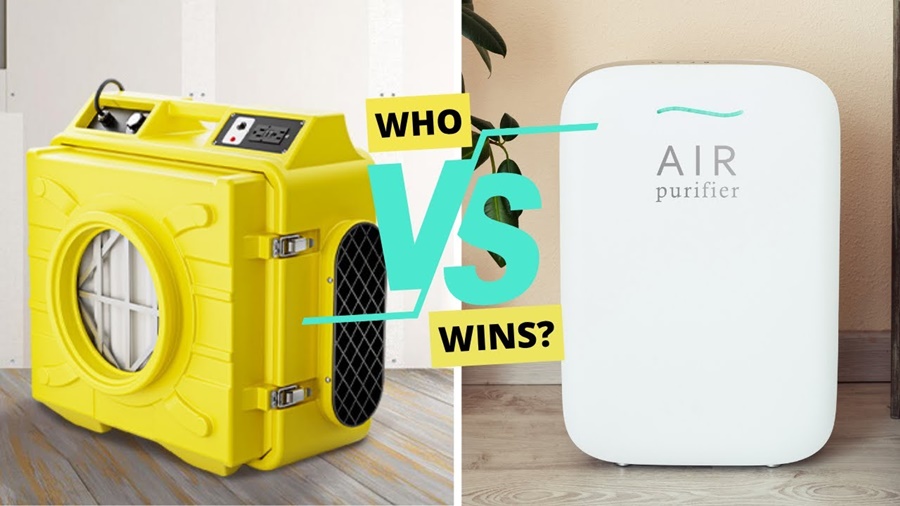
Indoor air quality has become a major concern for homeowners, businesses, healthcare facilities, and industrial environments. Airborne pollutants such as dust, pollen, mold spores, bacteria, viruses, volatile organic compounds (VOCs), and smoke can negatively impact health and comfort. To address these concerns, many people turn to air-cleaning technologies such as air purifiers and air scrubbers.
Although the terms are sometimes used interchangeably, air purifiers and air scrubbers are different devices designed for specific applications. Understanding their features, functions, advantages, and limitations can help you choose the right solution for your environment.
This article explores the differences between air purifiers and air scrubbers, their working mechanisms, benefits, and the situations where each system performs best.
What Is an Air Purifier?
An air purifier is a device designed to improve indoor air quality by removing contaminants from the air. These units are commonly used in homes, offices, classrooms, and healthcare settings.
Air purifiers work by drawing air through a filtration system and trapping or neutralizing pollutants before releasing cleaner air back into the room.
Common Components of an Air Purifier
HEPA Filter
High-Efficiency Particulate Air (HEPA) filters can capture up to 99.97% of particles as small as 0.3 microns, including:
- Dust
- Pollen
- Pet dander
- Mold spores
- Some bacteria
Activated Carbon Filter
These filters absorb odors, gases, smoke, and VOCs from the air.
UV-C Light Technology
Some air purifiers use ultraviolet light to kill or deactivate bacteria, viruses, and mold spores.
Ionizers
Certain models release negatively charged ions that attach to airborne particles, making them easier to capture.
Benefits of Air Purifiers
- Improve indoor air quality
- Reduce allergy symptoms
- Remove dust and pet dander
- Eliminate odors and smoke
- Help reduce airborne pathogens
- Portable and easy to install
- Energy-efficient operation
Limitations of Air Purifiers
- Usually designed for smaller spaces
- Require regular filter replacement
- Limited effectiveness in large industrial settings
- Performance depends on room size and airflow
What Is an Air Scrubber?
An air scrubber is a more advanced air-cleaning system designed to remove airborne contaminants as well as pollutants that settle on surfaces. Air scrubbers are commonly used in commercial buildings, hospitals, construction sites, restoration projects, and industrial facilities.
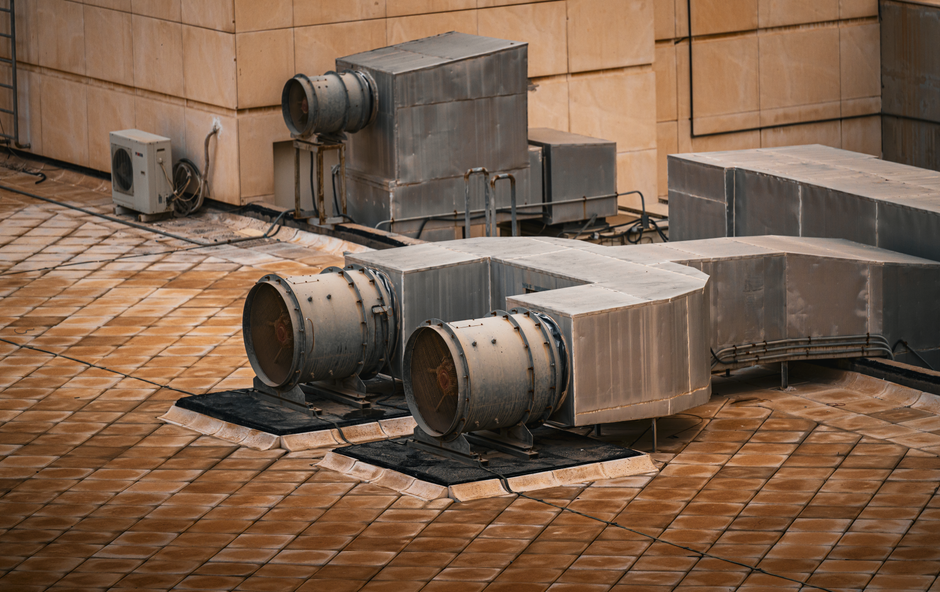
Unlike standard air purifiers, air scrubbers are often integrated into HVAC systems and can clean air throughout an entire building.
How Air Scrubbers Work
Air scrubbers use multiple technologies to remove contaminants from the air, including:
- HEPA filtration
- UV germicidal light
- Advanced oxidation processes
- Photocatalytic oxidation (PCO)
- Negative ion generation
These technologies work together to neutralize pollutants at a molecular level.
Types of Air Scrubbers
Portable Air Scrubbers
Portable units are commonly used for:
- Construction projects
- Water damage restoration
- Mold remediation
- Fire damage cleanup
Whole-House Air Scrubbers
These systems connect directly to HVAC systems and provide continuous air purification throughout a building.
Benefits of Air Scrubbers
- Clean entire buildings rather than individual rooms
- Reduce airborne contaminants
- Help eliminate surface contaminants
- Remove odors, smoke, and chemical pollutants
- Effective against bacteria, viruses, and mold
- Improve HVAC efficiency
- Suitable for commercial and industrial environments
Limitations of Air Scrubbers
- Higher upfront cost
- Professional installation may be required
- More complex maintenance
- May consume more energy than portable air purifiers
Air Purifier vs Air Scrubber: Key Differences
1. Purpose
- Primarily cleans air within a specific room or area.
Air Scrubber
- Cleans air throughout larger spaces and can also address contaminants on surfaces.
2. Coverage Area
- Suitable for bedrooms, living rooms, offices, and small indoor spaces.
Air Scrubber
- Ideal for entire homes, commercial buildings, hospitals, and industrial facilities.
3. Technology
Air Purifier
- Usually relies on filters, activated carbon, and UV light.
Air Scrubber
- Uses advanced purification technologies including oxidation and surface-cleaning processes.
4. Installation
- Plug-and-play device with minimal setup.
Air Scrubber
- Often requires professional installation into an HVAC system.
5. Cost
Air Purifier
- Generally more affordable.
Air Scrubber
- Higher initial investment but provides broader coverage.
6. Maintenance
Air Purifier
- Requires periodic filter replacement.
Air Scrubber
- May require professional maintenance and servicing.
Which Is Better for Allergies?
For most allergy sufferers, a HEPA air purifier is an excellent solution. It effectively removes:
- Pollen
- Dust mites
- Pet dander
- Mold spores
However, if allergens are present throughout an entire building, an air scrubber may provide more comprehensive protection.
Which Is Better for Mold?
Air scrubbers are generally more effective for mold remediation because they can:
- Capture mold spores
- Reduce airborne contamination
- Help address spores on surfaces
- Support restoration and cleanup projects
Portable air scrubbers are frequently used by professional mold remediation companies.
Which Is Better for Smoke and Odors?
Both systems can help reduce smoke and odors, but air scrubbers often perform better in severe situations such as:
- Fire damage restoration
- Industrial smoke exposure
- Strong chemical odors
Air purifiers with activated carbon filters are highly effective for everyday household odors and light smoke.
Residential Applications
Air Purifier Is Best For:
- Apartments
- Bedrooms
- Home offices
- Allergy relief
- Pet owners
- Small living spaces
Air Scrubber Is Best For:
- Large homes
- Whole-house air treatment
- Families with respiratory concerns
- Homes in high-pollution areas
- Long-term air quality improvement
Commercial Applications
Air scrubbers are commonly used in:
- Hospitals
- Schools
- Hotels
- Manufacturing plants
- Construction sites
- Data centers
- Laboratories
Their ability to treat large volumes of air makes them a preferred solution in professional environments.
Cost Comparison
Air Purifier
Typical price range:
- $50 to $1,000+
Annual maintenance:
- $30 to $300 for filter replacements
Air Scrubber
Typical installation cost:
- $500 to $2,500+
Annual maintenance:
- Varies depending on system type and usage
Although air scrubbers cost more initially, they often provide building-wide protection and long-term value.
Factors to Consider Before Buying
When choosing between an air purifier and an air scrubber, consider:
Space Size
Small rooms typically benefit from air purifiers, while larger properties may require air scrubbers.
Air Quality Issues
Identify whether you are dealing with:
- Allergies
- Smoke
- Mold
- VOCs
- Bacteria and viruses
Budget
Air purifiers are usually more budget-friendly, while air scrubbers offer broader coverage.
Maintenance Requirements
Consider ongoing costs for filters, repairs, and servicing.
Installation Needs
Portable air purifiers require little setup, whereas air scrubbers may need professional installation.
Conclusion
Both air purifiers and air scrubbers are effective tools for improving indoor air quality, but they serve different purposes. Air purifiers are ideal for individual rooms, allergy relief, and everyday air cleaning. They are affordable, portable, and easy to maintain.
Air scrubbers, on the other hand, provide a more comprehensive solution by treating larger spaces and addressing both airborne and surface contaminants. They are particularly valuable in commercial environments, healthcare facilities, and homes requiring advanced air purification.
The best choice depends on your specific needs, budget, and the size of the area you want to protect. For most households, a quality air purifier is sufficient, while businesses and larger properties may benefit more from the advanced capabilities of an air scrubber.





Leave a Reply