

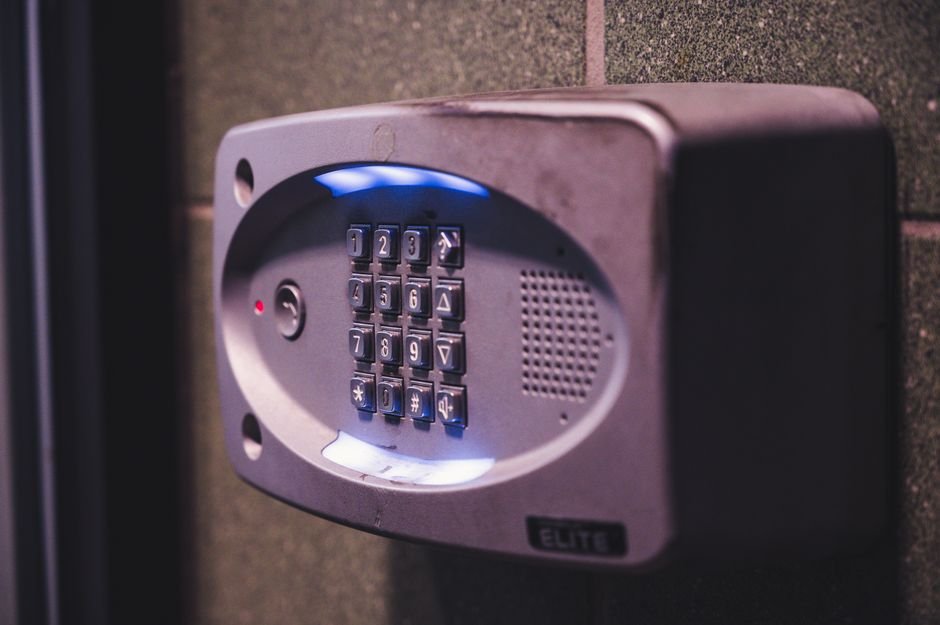
The market for smart locks has grown significantly, with prices ranging from $100 to $300. Choosing the right smart lock goes beyond just keyless convenience; you need to consider compatibility with your home’s existing hardware and other smart devices. Let’s explore the crucial features that matter most in your selection process.
To choose a smart lock successfully, focus on three main factors: the lock’s security features, its compatibility with your existing systems, and your lifestyle needs. Each one plays a critical role in ensuring you land on a smart lock that actually benefits you rather than complicates your life.

Crucial Security Features
The first thing to assess is the lock’s security features. Look for smart locks that offer strong encryption standards, like AES-128. Locks with this encryption provide robust security against hacking attempts. You should also consider features like auto-locking and alerts that notify you of unauthorized access attempts.
Another layer to security is whether the lock has a backup key option. If the smart features fail, having a traditional key or key code can save you from being locked out. Be sure to investigate what happens in the event of power loss or connectivity issues. The last thing you want is to be stuck outside your door during a power outage.
Evaluating Lock Compatibility
Compatibility matters more than people often realize. Not all smart locks fit every door type or existing deadbolts. Before making a purchase, check that the smart lock can be installed on your current setup. You’ll want a lock that easily fits into your door without requiring major modifications.
Additionally, look into the compatibility of the smart lock with your smartphone or smart home system. Many newer models offer features like app management, allowing you to grant access remotely and monitor usage. If your home has an existing smart home ecosystem, ensure the lock integrates smoothly with it, think Alexa, Google Home, or Apple HomeKit.
If you prefer a keyless entry system but don’t have a smart doorbell, consider options that work independently while still providing advanced features.

Examining Your Lifestyle Needs
Your lifestyle will heavily influence which type of smart lock you should consider. Think about how often you have visitors or service personnel entering your home. A lock that allows you to generate temporary codes for guests may be a necessity. For frequent deliveries, you might need a lock that offers a specific entry code for delivery workers.
If you travel often, find a model with remote access capabilities. This will let you lock or unlock your door from anywhere, giving you peace of mind. Moreover, features like activity logs can help you keep track of who is entering and exiting your home, making it easier to manage access over time. For guidance on how to choose a smart lock, you can refer to this helpful resource.
For more, read about toaster oven.
For more, read about toaster oven.
Final Thoughts: My Recommendation
After weighing all these factors, I recommend choosing a smart lock with AES-128 encryption, backup key options, and remote access capability for the best flexibility and security. The Yale Assure Lock is a solid choice, meeting these criteria effectively while also working well with most smart home systems.
If you’re on a tighter budget, consider the Schlage Encodewhich offers good features at a price that won’t break the bank.
Ultimately, it’s about enhancing security while fitting seamlessly into your life. Take the time to research and choose wisely, and you’ll have a lock that serves you well for years to come.
Frequently Asked Questions
What to consider when buying a smart lock?
When buying a smart lock, consider compatibility with your existing door and home security system, ease of installation, and the type of access methods available, such as mobile apps, key codes, or biometrics. Additionally, evaluate the lock’s durability and battery life to ensure it meets your needs.
How do smart locks improve travel convenience?
Smart locks enhance travel convenience by allowing you to unlock your door remotely, which is particularly useful for granting access to friends, family, or service personnel while you’re away. They can also eliminate the need for physical keys, reducing the risk of losing keys or being locked out.
Are smart locks safe for travelers?
Smart locks can be safe for travelers when chosen carefully, as they often feature advanced encryption and security measures. However, it’s essential to select reputable brands and keep software updated to mitigate any potential security concerns.
Do smart locks require Wi-Fi?
Many smart locks require a Wi-Fi connection to enable remote access and control via smartphone apps, while some models can operate over Bluetooth without it. It’s important to check the specific requirements of each smart lock before purchase.
Can smart locks be hacked?
While smart locks have security features to prevent unauthorized access, they can be vulnerable to hacking if not properly secured. Using strong, unique passwords and regularly updating firmware can help reduce the risk of cyber threats.

Leave a Reply