

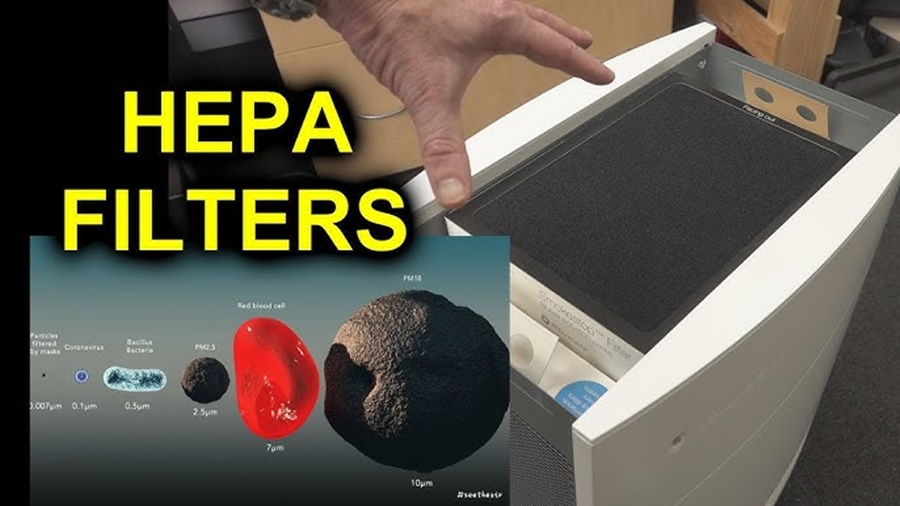
During this search, two terms frequently appear: air purifier and HEPA filter. Indoor air quality has become a major concern for homeowners, office workers, and health-conscious individuals. With increasing levels of dust, allergens, smoke, pet dander, and airborne pollutants, many people look for effective ways to improve the air they breathe.
Although these terms are often used interchangeably, they are not the same thing. An air purifier is a complete device designed to clean indoor air, while a HEPA filter is a specific filtration technology commonly used within air purifiers.
Understanding the difference between an air purifier and a HEPA filter can help consumers make informed purchasing decisions and choose the most effective solution for their needs.
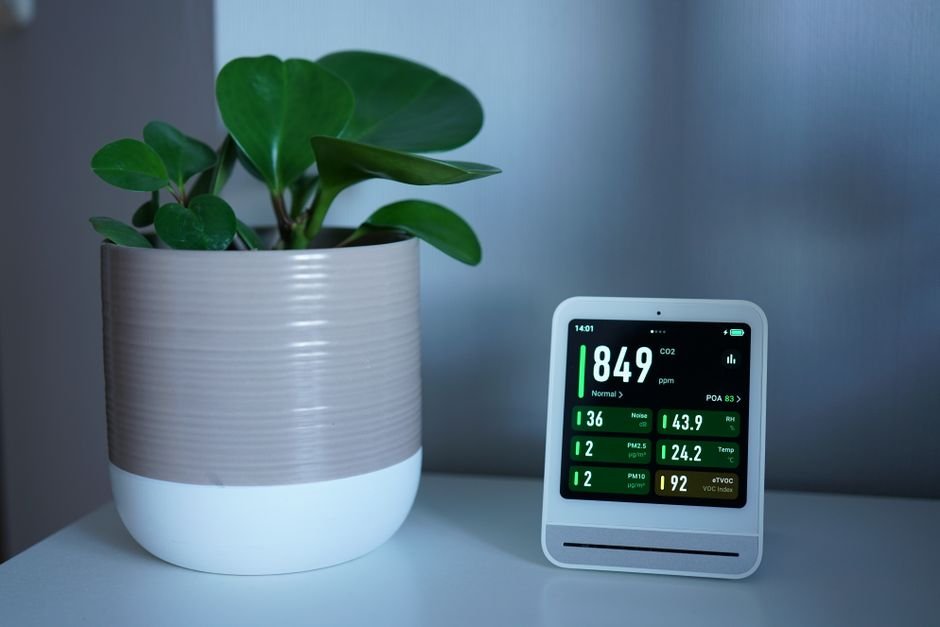
What Is an Air Purifier?
An air purifier is an electronic appliance designed to remove contaminants from indoor air. It works by drawing air into the unit, passing it through one or more filtration systems, and releasing cleaner air back into the room.
Air purifiers are commonly used to reduce:
- Dust particles
- Pollen
- Pet dander
- Mold spores
- Smoke particles
- Volatile Organic Compounds (VOCs)
- Bacteria and viruses
- Unpleasant odors
Modern air purifiers may use several technologies, including:
- HEPA filtration
- Activated carbon filters
- UV-C light sterilization
- Ionization technology
- Electrostatic precipitation
- Photocatalytic oxidation
The effectiveness of an air purifier depends largely on the type and quality of filtration technologies it contains.
What Is a HEPA Filter?
HEPA stands for High-Efficiency Particulate Air. A HEPA filter is a specialized air filter designed to capture extremely small airborne particles.
To qualify as a true HEPA filter, it must remove at least 99.97% of particles measuring 0.3 microns in diameter. This standard makes HEPA filtration one of the most effective methods for particle removal.
HEPA filters are commonly used in:
- Air purifiers
- Hospitals
- Laboratories
- Clean rooms
- Aircraft cabins
- Vacuum cleaners
HEPA filters are particularly effective at capturing:
- Dust
- Pollen
- Pet dander
- Mold spores
- Fine particulate matter
- Some bacteria
However, HEPA filters alone cannot effectively remove gases, odors, or chemical pollutants.
Air Purifier vs HEPA Filter: Main Difference
The simplest way to understand the distinction is:
An air purifier is a complete machine, while a HEPA filter is one component that may be inside the machine.
Think of an air purifier as a car and the HEPA filter as the engine. The engine is essential, but it is only one part of the complete vehicle.
Many high-quality air purifiers use HEPA filters because they provide exceptional particle filtration. However, not all air purifiers rely solely on HEPA technology.
Comparison Table
| Feature | Air Purifier | HEPA Filter |
|---|---|---|
| Definition | Complete air-cleaning device | Filtration material or component |
| Function | Cleans indoor air using multiple technologies | Captures airborne particles |
| Removes Dust | Yes | Yes |
| Removes Pollen | Yes | Yes |
| Removes Pet Dander | Yes | Yes |
| Removes Odors | Depending on technology | No |
| Removes VOCs | Some models can | No |
| Requires Electricity | Usually yes | No |
| Used Alone | Complete appliance | Usually part of another system |
How Air Purifiers Work
Most air purifiers follow a multi-stage filtration process.
Stage 1: Pre-Filter
A pre-filter captures larger particles such as:
- Hair
- Dust clumps
- Pet fur
This helps extend the lifespan of the main filters.
Stage 2: HEPA Filter
The HEPA filter removes microscopic airborne particles including:
- Allergens
- Fine dust
- Pollen
- Pet dander
This stage performs the majority of particle filtration.
Stage 3: Activated Carbon Filter
Activated carbon absorbs:
- Smoke
- Cooking smells
- Chemical fumes
- Household odors
Stage 4: Additional Technologies
Some air purifiers include:
- UV sterilization
- Ionizers
- Antimicrobial coatings
These technologies provide additional protection against microorganisms and airborne contaminants.
Benefits of Air Purifiers
Improved Indoor Air Quality
Air purifiers continuously clean indoor air, reducing pollutant levels and creating a healthier environment.
Allergy Relief
By removing pollen, dust mites, and pet dander, air purifiers can significantly reduce allergy symptoms.
Better Sleep
Cleaner air often leads to improved breathing and more comfortable sleep.
Odor Reduction
Models with activated carbon filters effectively remove household odors and smoke.
Protection Against Air Pollution
In urban environments, air purifiers help reduce exposure to fine particulate matter entering from outside.
Benefits of HEPA Filters
High Filtration Efficiency
HEPA filters capture up to 99.97% of tiny airborne particles.
Proven Technology
HEPA filtration has been used for decades in medical and industrial environments.
Excellent for Allergies
People suffering from allergies often experience noticeable relief when exposed to HEPA-filtered air.
Reliable Performance
Unlike some newer filtration methods, HEPA filtration has a long record of effectiveness supported by scientific testing.
Limitations of Air Purifiers
Despite their advantages, air purifiers have some limitations:
Filter Replacement Costs
Most air purifiers require periodic filter replacement.
Electricity Consumption
They need electrical power to operate continuously.
Coverage Restrictions
A purifier can only effectively clean air within its rated room size.
Variable Performance
Low-quality models may not perform as advertised.
Limitations of HEPA Filters
HEPA filters also have limitations.
Cannot Remove Odors
HEPA filters trap particles but do not eliminate smells.
Cannot Remove Gases
Chemical pollutants and VOCs pass through HEPA material.
Requires Maintenance
HEPA filters eventually become clogged and must be replaced.
Airflow Resistance
Dense filtration material can slightly reduce airflow efficiency.
Which Is Better for Allergies?
For allergy sufferers, a HEPA-equipped air purifier is typically the best solution.
A HEPA filter captures:
- Pollen
- Dust mites
- Pet dander
- Mold spores
When combined with an air purifier’s airflow system, these allergens are continuously removed from the room.
Individuals with seasonal allergies, asthma, or respiratory sensitivities often benefit significantly from HEPA-based air purification systems.
Which Is Better for Smoke and Odors?
An air purifier with both a HEPA filter and activated carbon filter is the preferred choice.
HEPA filtration captures smoke particles, while activated carbon absorbs:
- Tobacco odors
- Cooking smells
- Chemical fumes
- Pet odors
A HEPA filter alone cannot eliminate these smells.
Which Is Better for Pet Owners?
Pet owners generally benefit from a full air purifier rather than a standalone HEPA filter.
A quality air purifier can remove:
- Pet hair
- Pet dander
- Odors
- Dust
Models with strong airflow and multi-stage filtration offer the best performance in homes with pets.
Factors to Consider Before Buying
Room Size
Choose a purifier designed for the size of your room.
CADR Rating
The Clean Air Delivery Rate (CADR) indicates how quickly a purifier cleans the air.
Filter Replacement Costs
Consider long-term maintenance expenses.
Noise Level
Quiet operation is important for bedrooms and offices.
Energy Efficiency
Energy-efficient models reduce operating costs.
Additional Features
Useful features may include:
- Air quality sensors
- Smart controls
- Automatic modes
- Timer functions
Who Should Buy an Air Purifier?
An air purifier is ideal for:
- Allergy sufferers
- Asthma patients
- Pet owners
- Smokers
- Urban residents
- Families concerned about indoor air quality
Who Needs a HEPA Filter?
Anyone purchasing an air purifier should prioritize a model that includes a true HEPA filter.
HEPA filtration is especially valuable for:
- People with allergies
- Individuals with respiratory conditions
- Households with pets
- Homes located in polluted areas
Conclusion
The debate between an air purifier and a HEPA filter is often based on a misunderstanding. A HEPA filter is not an alternative to an air purifier; it is a crucial component found inside many air purification systems.
If your goal is cleaner indoor air, the best option is usually an air purifier that incorporates a true HEPA filter along with additional technologies such as activated carbon filtration. This combination provides comprehensive protection against dust, allergens, smoke particles, odors, and other airborne contaminants.
In short, a HEPA filter provides the filtration power, while an air purifier provides the complete air-cleaning solution. Together, they create a healthier and more comfortable indoor environment.





Leave a Reply