

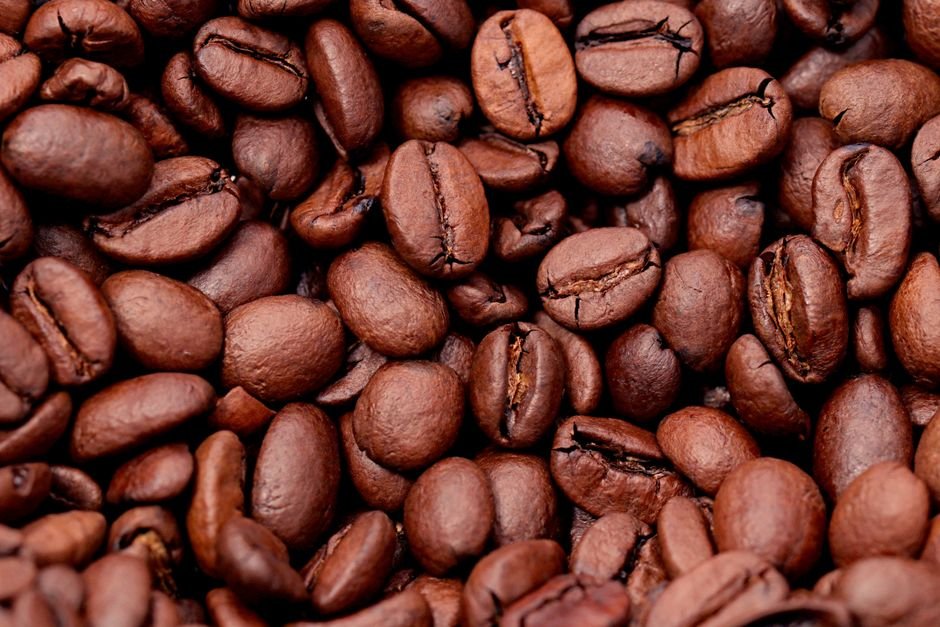
The flavor of your coffee can vary dramatically depending on the type of bean you choose. Many newcomers to coffee often overlook this and stick to what’s familiar or cheap, missing out on the diverse taste profiles that Arabica and Robusta beans offer. Understanding these differences can elevate your coffee experience significantly.
Arabica beans account for about 60-70% of global coffee production and are beloved for their smooth, nuanced flavors, often carrying notes of fruits or chocolate. On the other hand, Robusta beans tend to have a stronger, harsher taste with a pronounced bitterness and a higher caffeine content. Knowing this can help you make better coffee choices tailored to your palate.
From my research and consumption of various blends, I’ve found that the origin of the beans also heavily influences flavor. Single-origin coffee can provide a unique tasting experience that reflects the soil and climate conditions where the beans are grown, showcasing fruity or floral notes that are often more pronounced than those found in blends.
Understanding these elements can drastically change the way you perceive coffee flavor.
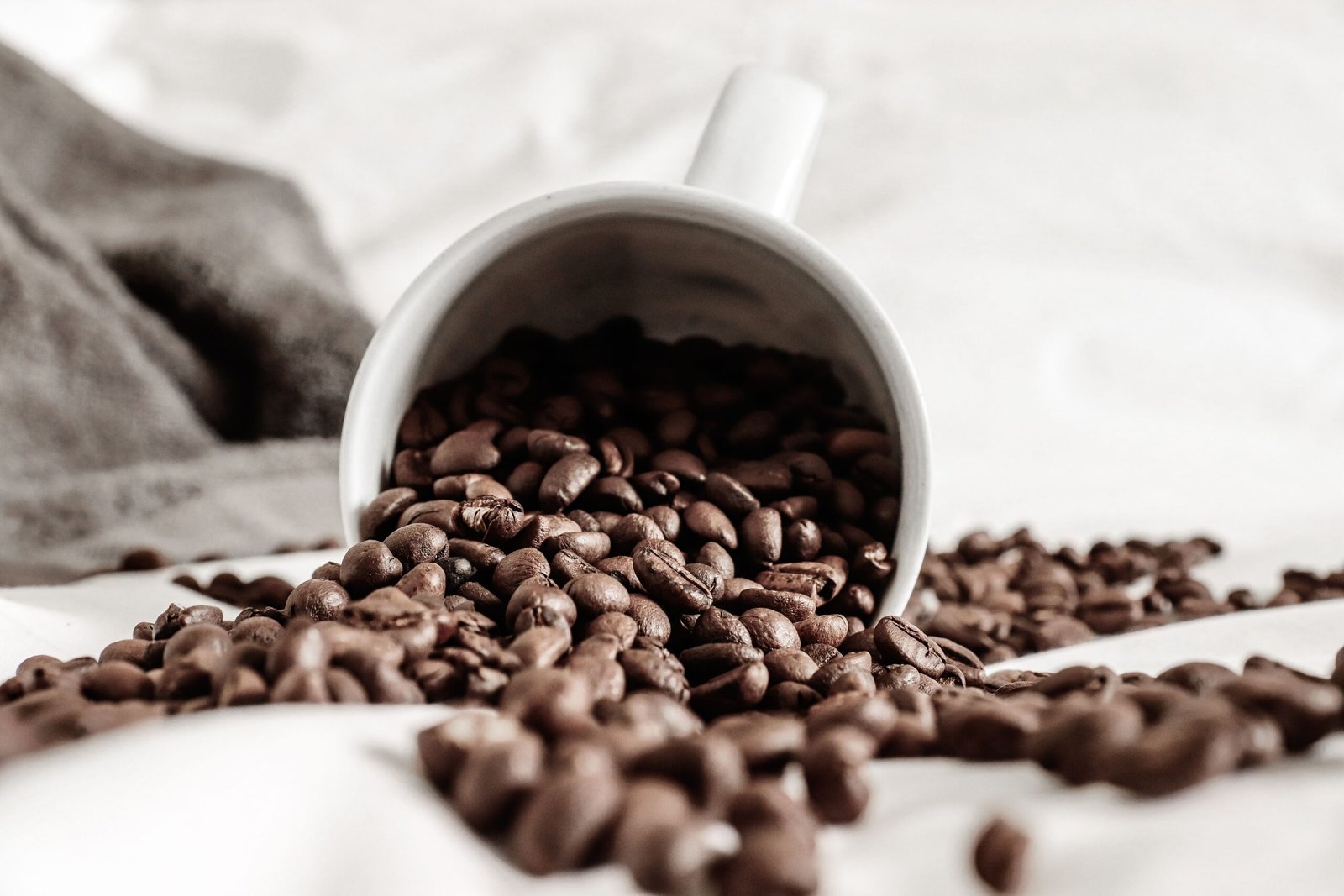
Coffee Bean Varieties Matter More Than You Think
The variety of coffee bean is crucial when discussing how do coffee beans affect flavor. As mentioned, Arabica and Robusta are the most widely cultivated types. While Arabica beans yield a sweeter and more aromatic brew, Robusta is known for its stronger, sometimes earthy taste. This is a key factor you should consider, especially if you enjoy a smoother cup of coffee.
If you’re someone who enjoys a bolder, more intense flavor and a caffeine kick, you might prefer a blend that incorporates more Robusta.
There’s also the matter of how these varieties interact with different regions’ growing conditions. Many new coffee drinkers overlook this. For example, Arabica beans grown at higher altitudes often feature more acidity and complex flavors, compared to those grown at sea level. In contrast, Robusta is typically grown at lower altitudes and can sometimes taste more straightforward and earthy.
This is a distinct trade-off between complexity and simplicity in flavor that every coffee enthusiast should consider.
The Role of Roast Levels in Flavor
A vital consideration that often flies under the radar is how the roast level impacts flavor. Light roasts tend to preserve the distinct flavor characteristics of the coffee beans, meaning you’ll taste more of the intrinsic notes specific to their variety and origin.
As the roast darkens, the caramelization process changes the flavor; notes of chocolate, nuts, and spices often emerge at medium and dark roast levels. For instance, if you take an Arabica from Ethiopia and roast it lightly, you’ll likely experience bright acidity and floral notes, while a French roast of the same bean might bring out deep, smoky flavors.
I generally recommend experimenting with several roast levels when you first start brewing coffee. You might discover that you prefer a light roast’s brightness compared to the heavy body of a dark roast. It’s not uncommon to find that the roast level can affect not only the flavor but also the mouthfeel of the coffee.
A lighter roast tends to have a cleaner, brighter mouthfeel, while darker roasts can feel heavier due to the oils present after a longer roast.
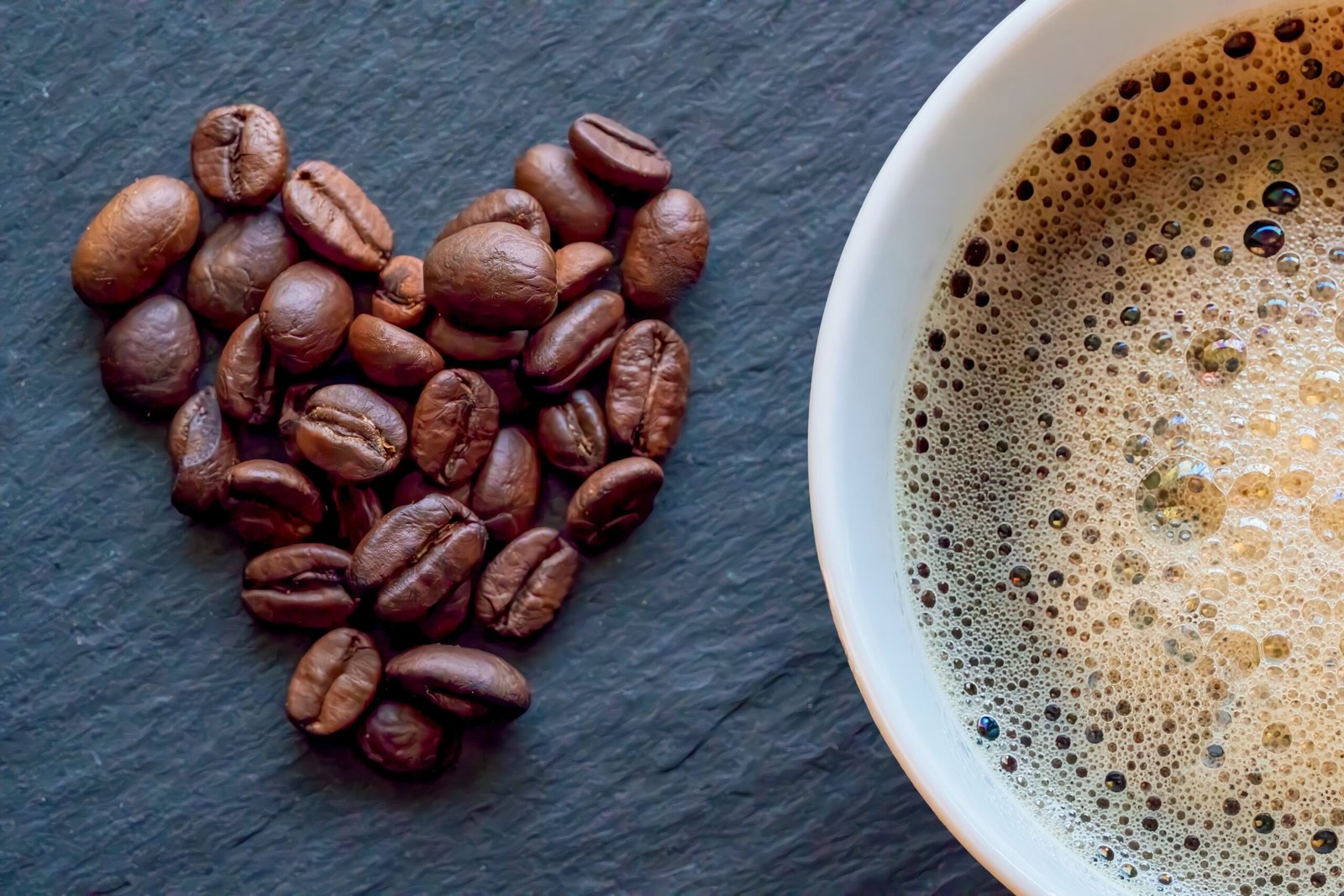
Water Quality and Brewing Method Enhance the Experience
After considering the beans and roast levels, you cannot overlook the quality of water used for brewing. Poor water can mask the flavors of even the finest beans, and I’ve often found that using filtered water elevates my experience drastically. Most people overlook this and default to tap water, which can introduce unwanted flavors due to chlorine or mineral content.
Clean, filtered water allows the bean’s natural flavors to shine, enhancing everything from sweet to fruity notes.
Moreover, the brewing method plays a significant role. French presspour-over, or espresso can all highlight different aspects of a coffee’s flavor. For instance, the espresso method extracts bold and rich flavors effectively, thanks to the pressurized environment, while pour-over is gentler and brings forward the bean’s subtler notes.
Understanding how your chosen brewing method interacts with the coffee beans can greatly refine your coffee-drinking experience, and for more insights on how do coffee beans affect flavor, consider diving deeper into the research.
Your Taste Preferences Matter, Experimentation Is Key
For a rich and nuanced flavor, choose Arabica beans, which suit those who enjoy complexity in their coffee. If you prefer a stronger, more bitter taste with higher caffeine content, Robusta beans are a better fit. Don’t hesitate to experiment with both types to find what truly satisfies your palate.
For more, read about machine vs moka.
Frequently Asked Questions
What factors affect coffee bean flavor?
Coffee bean flavor is influenced by several factors, including the variety of the bean, the altitude at which it is grown, the soil composition, and the climate conditions during growth. Additionally, the processing method and storage conditions also play significant roles in determining the final flavor profile of the coffee.
How do different beans impact coffee taste?
Different coffee bean varieties, such as Arabica and Robusta, have distinct flavor characteristics. Arabica beans are typically sweeter and more acidic, while Robusta beans are stronger and more bitter, leading to a diverse range of taste experiences in brewed coffee.
Why does the region affect coffee flavor?
The region where coffee is grown contributes to its flavor due to varying environmental factors such as altitude, climate, and local agricultural practices. For example, high-altitude coffees often have brighter acidity and complex flavors due to slower cherry maturation, while lower-altitude coffees may produce heavier, earthier flavors.
Can roasting change a coffee bean’s taste?
Yes, roasting significantly alters a coffee bean’s taste. Different roasting levels, from light to dark, affect the flavor compounds in the beans, leading to variations in acidity, sweetness, and bitterness, thus transforming the overall sensory experience.
Is Arabica better than Robusta for flavor?
Many coffee connoisseurs consider Arabica beans to be better than Robusta for flavor due to their complex, nuanced profiles and higher acidity. However, preferences can vary, and some enjoy the bold, strong taste of Robusta, especially in espresso blends.





Leave a Reply