

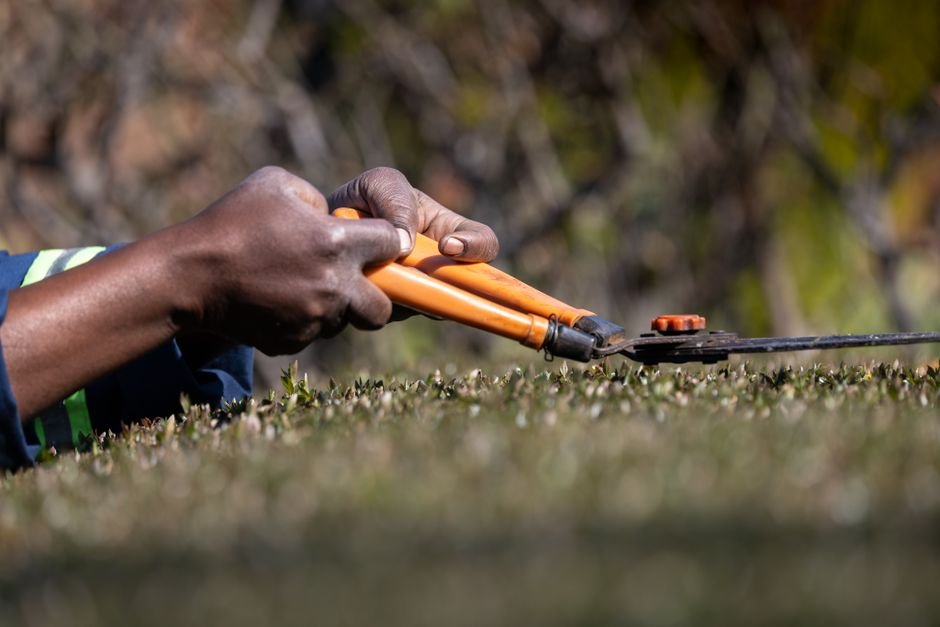
A set of dull garden shears can cost you time and lead to poor cuts, potentially damaging your plants. Sharpening them is not just a helpful skill; it’s vital for maintaining healthy garden upkeep and ensuring precise pruning.
Sharpening garden shears may seem daunting, but it’s a rewarding process that you can easily learn to do yourself. Let me walk you through a clear step-by-step process to restore those blades to their former glory without causing any damage.
Why Sharpening Garden Shears is Essential
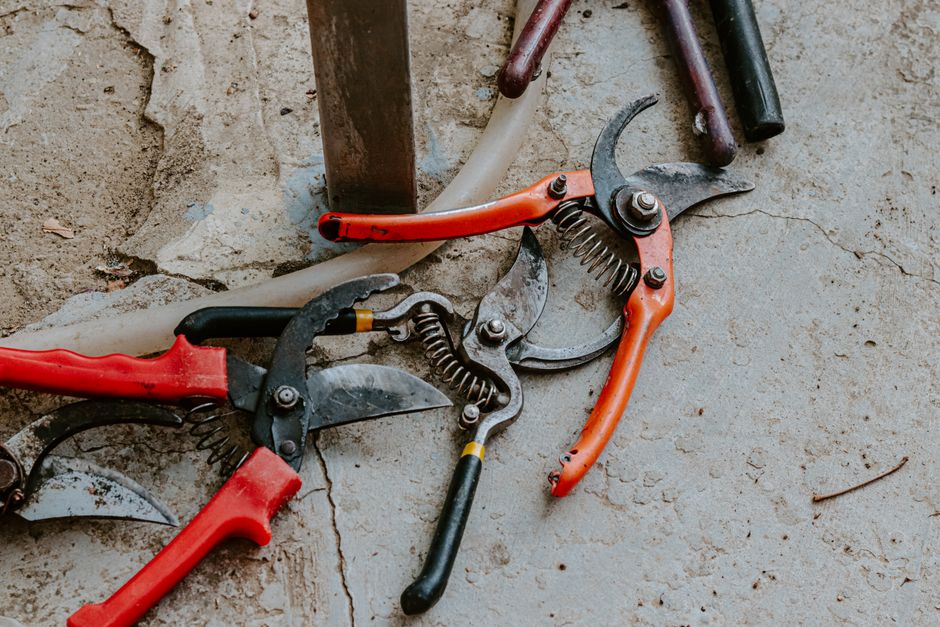
Over time, the blades of garden shears lose their sharpness due to constant use on various branches, stems, and foliage. A dull blade requires more force, increasing the risk of injury and harming plants through crushing rather than cutting. Besides enhancing your efficiency and effectiveness, maintaining sharp blades not only prolongs the life of your tools but also promotes healthier plant growth.
Healthier cuts minimize stress on your plants, reducing the chance of infection or disease. When you take care to make clean cuts, you allow your plants to heal more quickly, helping them thrive year-round. I have found that regularly sharpening my tools reduces my overall gardening time and makes the process feel much more rewarding.
Tools Needed for Effective Sharpening
Before diving into the sharpening process, you should gather a few essential tools. The right equipment makes a significant difference and ensures you get the best results. You’ll need:
- A sharpening stone (preferably a medium-grit ceramic or diamond stone)
- A wire brush or cleaning cloth
- Protective gloves to safeguard your hands
- Optional: A lubricant like oil or water for the sharpening stone
Having these tools ready not only streamlines the sharpening process, but it also helps prevent potential accidents. Your goal is to maintain control while sharpening to achieve the best outcome.

Step-by-Step Guide to Sharpening Your Garden Shears
Now that you have your tools, let’s move on to the sharpening process. It might seem complex at first, but with practice, it becomes second nature. Here’s how to do it:
1. Clean the Blades
Start by cleaning the blades of your shears with a wire brush or cloth. Remove any dirt, sap, or debris that may have accumulated. This step is often overlooked, but it is crucial for a successful sharpening. A clean surface allows you to see the blade’s edges clearly and ensures that nothing interferes with the sharpening process.
2. Determine the Angle
This part can be tricky, but maintaining the original bevel angle is crucial. Most garden shears have a 20 to 30-degree angle on their edge. Hold the shears so the blade is flat against the sharpening stone, and then tilt it to the correct angle. If you’re unsure, I recommend starting at 30 degrees; you can always alter the angle as needed.
3. Sharpening Motion
Use smooth, even strokes as you run the blade along the sharpening stone. Begin at the base of the blade and work your way towards the tip. I find it helpful to maintain a consistent motion instead of pressing down hard, this allows for a more uniform edge. Don’t forget to apply lubricant as needed to keep the stone and blade cool during the process.
4. Repeat on the Other Side
Once you’ve sharpened one side, flip the shears over and repeat the process on the other side. Again, maintain consistency in your motion to ensure both sides are evenly sharpened. Check the edge regularly; if you notice burrs or roughness, focus on smoothing those out.
5. Final Cleanup
After you’ve finished sharpening both sides, use your cloth to wipe down the blades. This step clears away any residual material from the sharpening process. Finally, consider applying a light coat of oil to the blades to prevent rust and keep them looking fresh.
Maintenance Tips for Long-lasting Sharpness
To ensure your garden shears remain sharp for a longer period, integrate maintenance practices into your gardening routine. Regularly clean the blades after each use to avoid sap buildup, and consider sharpening them after intensive pruning tasks rather than waiting for them to become completely dull.
If you notice any chips in the blade, address those promptly rather than waiting until the problem worsens. Keeping a consistent sharpening schedule can save you time and frustration in the long run and help maintain the performance of your tools. Additionally, learning how do you sharpen garden shears can greatly simplify this process.
See also our take on optimal performance.
If that matters to you, our piece on saves you money goes further.
Conclusion: Invest Time for Lasting Results
Invest in a quality sharpening tool, like a whetstone or sharpening compound, for best results. For those who prefer convenience, consider a professional sharpening service, especially if your shears are high-end tools. Regular maintenance paired with effective sharpening will keep your garden shears functioning optimally.
Frequently Asked Questions
How often should you sharpen garden shears?
You should sharpen garden shears at least once a season, or more frequently if you're using them regularly. Regular sharpening helps maintain efficiency and prevents damage to the blades.
Can you sharpen garden shears with a knife sharpener?
While you can use a knife sharpener in a pinch, it's generally not the best tool for sharpening garden shears. A designated sharpener or file specifically designed for shears will provide better results and maintain the correct angle.
What is the best sharpener for garden shears?
The best sharpener for garden shears is typically a bench grinder or a specially designed sharpening tool that fits the blades' angle. Manual sharpeners or diamond files also work well for achieving a sharp edge.
Why are my garden shears not cutting well?
Garden shears may not be cutting well if the blades are dull, misaligned, or if there is debris or rust on the blades. Regular maintenance, cleaning, and sharpening will help improve their performance.
Is it better to sharpen garden shears manually or with a machine?
Sharpening garden shears manually allows for greater control and precision, especially if you are experienced. However, using a machine can be faster, but it requires careful handling to avoid over-sharpening or damaging the blades.



Leave a Reply