

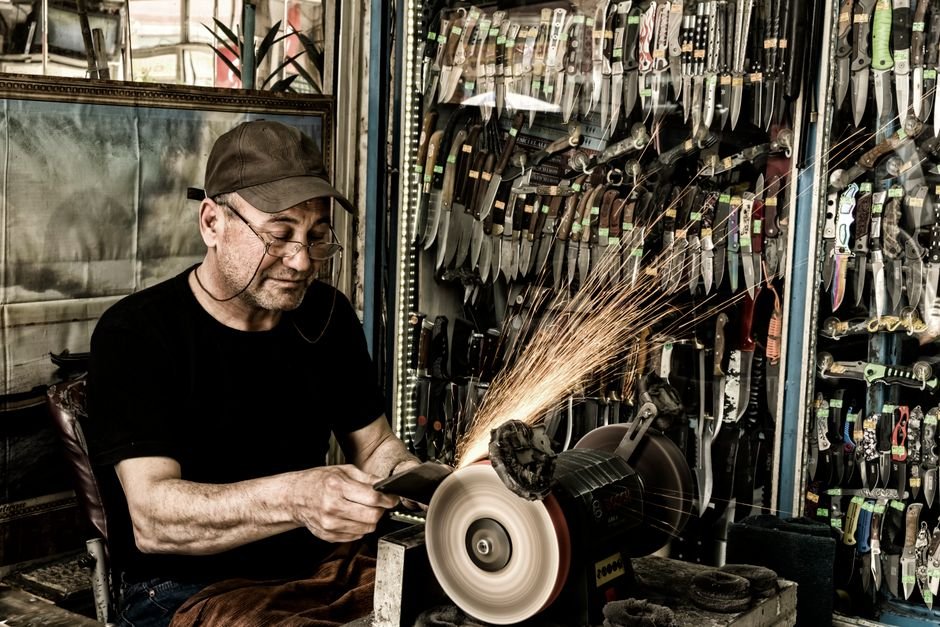
A dull tool can reduce your efficiency by as much as 30%, leading to frustrating mishaps and wasted materials. Early in my journey, I often used the wrong technique or overlooked proper materials, which resulted in spending more on replacements than necessary. Here’s a straightforward guide on which tools to choose and the effective methods to sharpen them.
The key to successful sharpening lies in understanding the tool’s specific needs. Different tools require different sharpening methods, whether you’re dealing with knives, chisels, or lawnmower blades. For instance, the right grinding angle is crucial, and if you don’t pay attention to it, you risk ruining your equipment.

Recognizing When Your Tools Need Sharpening
First, you must recognize the signs that indicate your tools need sharpening. A dull knife, for example, will often require more pressure to cut through food. If you find yourself applying excessive force when using any tool, it’s likely time to sharpen it.
Moreover, the edges of blades should be clean and maintained; if you can see nicks or rough edges, don’t wait too long to address them.
Additionally, I recommend regularly checking your tools regardless of their frequency of use. A proactive approach saves time later and ensures your equipment is always ready when you need it. If you wait until the tool is completely dull, the effort needed to sharpen it will increase significantly.
Choosing the Right Equipment for Tool Sharpening
Choosing the correct sharpening equipment is half the battle. In my experience, a whetstone is one of the best investments you can make. It offers a balance between ease of use and effectiveness, making it suitable for various tools.
For knives, a dual-sided sharpening stonewith a coarse grit on one side and a fine grit on the other, is ideal for both shaping and honing the blade.
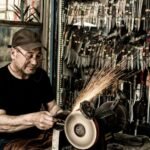
When dealing with larger tools like chisels, an aluminum oxide grinding wheel might be the optimal choice. The faster speeds can provide quicker results. Remember, matching the tool to the sharpening equipment is essential to minimize damage and ensure proper sharpening. You’ll gain more confidence as you practice your technique.

Mastering the Correct Sharpening Technique
The technique is where many people falter. To sharpen your tools correctly, always maintain a consistent angle. For most knives, a 20-degree angle is generally considered best. If you’re unsure, using a guide or sharpening jig can greatly improve consistency. I’ve learned that letting your tool wander will result in an uneven edge, which can ultimately ruin your tool.
When using a whetstone, start on the coarse side to establish the basic shape. Press down lightly on the blade, running it across the stone in smooth, controlled strokes. Think of it as crafting a work of art, rather than just sharpening a blade. After a few passes, switch to the fine side to polish the edge.
This dual-process not only protects your tools but enhances their function.
Common Mistakes to Avoid During Tool Sharpening
With sharpening, it’s all too easy to make critical mistakes that can lead to damage. One major error is not wetting the whetstone. Dry sharpening can create excessive friction and heat, dulling the blade instead of sharpening it. Always soak your whetstone in water before use, unless it’s a diamond stone, which is typically meant to be used dry.
Another common mistake is applying too much pressure. A gentle touch is often more effective and safer for your tools. If you feel resistance, back off and adjust your angle or technique. Trust me; overexerting pressure often leads to uneven edges and greater wear.
Maintaining Your Tools After Sharpening
Once you’ve sharpened your tools, it’s essential to maintain them properly. This means cleaning any debris from the sharpening process and storing your tools in a dry place. A good oil or protectant can help keep rust at bay on metal edges. I’ve found that regular upkeep not only keeps the tools functional longer but saves time in the long run.
Furthermore, consider creating a schedule for sharpening, perhaps even marking it on your calendar. This way, you won’t need to rush to fix neglected tools right before a big project. Scheduled maintenance also instills a habit of checking tool condition regularly, keeping your workspace efficient and organized.
Your Toolkit for Tool Sharpening Success
Ultimately, knowing how to sharpen your tools correctly is a blend of having the right equipment, mastering techniques, avoiding common pitfalls, and maintaining them afterward. Invest in quality sharpening stones and take your time with the process. Each tool you sharpen is an opportunity to hone not just the tool but your skills as well.
Are you interested in sharpening specific types of tools? I’ve written comprehensive guides, such as How to Sharpen Kitchen Knives at Home for Expert Resultsthat might be helpful. Additionally, if you want to learn more about how to sharpen your tools correctly, you can find detailed information there.
Frequently Asked Questions
What are the best tools for sharpening knives?
The best tools for sharpening knives include whetstones, edge pro systems, and handheld sharpeners designed for specific blade types. Whetstones are particularly versatile and can provide a fine edge when used correctly.
How can you sharpen tools without a grinder?
You can sharpen tools without a grinder by using sharpening stones, files, or honing rods. These methods provide precise control and are effective for maintaining the edge on various tools.
Why is honing important for tool maintenance?
Honing is important for tool maintenance as it helps realign the edge of a blade, improving cutting performance without removing significant material. Regular honing extends the life of the edge and reduces the need for more aggressive sharpening.
Can sharpening stones be used on all tools?
Sharpening stones can be used on many tools, particularly knives and chisels, but their effectiveness varies depending on the tool's hardness and design. It's essential to select the right grit and type of stone for the specific tool to achieve the best results.
Is it necessary to oil a sharpening stone?
It is not always necessary to oil a sharpening stone, but it can improve the sharpening process by reducing friction and helping to wash away metal filings. Water stones, for instance, require water, while oil stones need honing oil for optimal performance.
Leave a Reply