

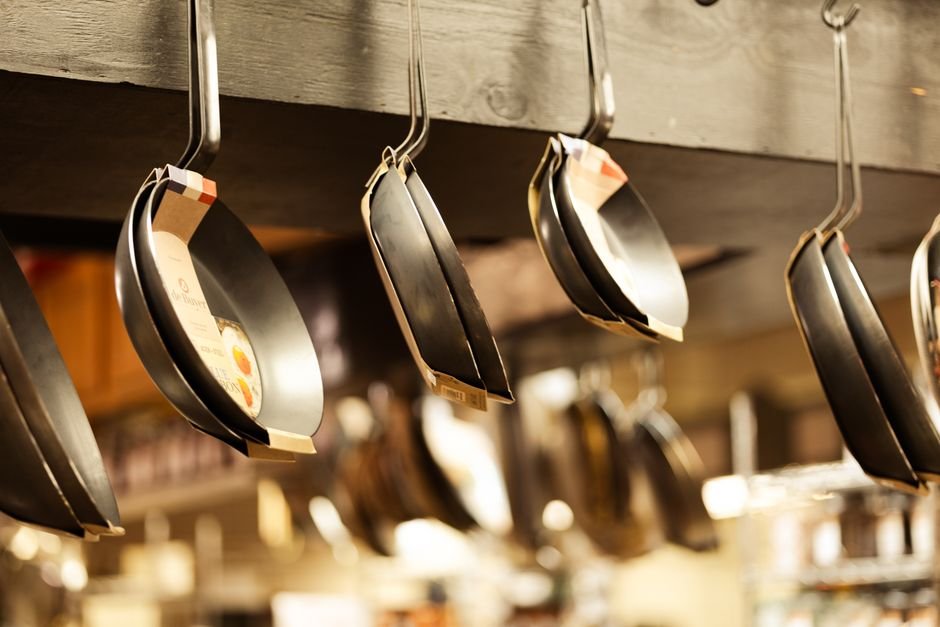
One out of every four non-stick pans in households fails prematurely due to improper care. Understanding how to properly maintain these pots and pans is essential for preserving their non-stick surfaces and enhancing your cooking experience. By respecting your cookware, you not only prolong its lifespan but also improve the quality of your meals.
In my own kitchen, I’ve found that a few straightforward practices can make all the difference. Whether you’re stirring up a quick omelette or searing chicken, these techniques will keep your non-stick cookware in top shape.

Proper Cleaning Techniques Matters
When it comes to cleaning non-stick cookware, less is more. I always recommend opting for gentle cleaning methods that won’t harm the coating. Start by waiting for your pan to cool down after cooking. Placing a hot pan under cold water can warp it and ruin its shape. Instead, allow it to cool naturally.
Use a soft sponge or cloth with mild dish soap to gently scrub the surface. Avoid steel wool or abrasive cleaners, which can scratch and damage the coating. If you’re dealing with stubborn residue, a mixture of baking soda and water can create a paste that you can let sit for a while before gently scrubbing.
This way, you can tackle even tough spots without risking scratches.
Heat Settings: Finding the Sweet Spot
Another critical aspect I’ve learned is to monitor the heat while cooking. Non-stick pans usually perform best when heated over medium to medium-low settings. High heat can break down the non-stick coating and release harmful fumes. Instead of blasting your pan with high temperatures, allow your ingredients to cook more slowly, retaining moisture and flavor.
If you are searing meat, get the pan hot first, then reduce the heat once you add food. This method ensures you achieve a golden-brown crust without compromising your cookware’s integrity. Keeping an eye on your heat settings not only preserves your pan but also improves the quality of your cooking.
Avoiding Scratches and Damage
Being cautious with utensils is another simple yet vital piece of advice. Wooden or silicone utensils are your best friends. Metal utensils can easily scratch the surface and ruin the non-stick capabilities of your pans. Even plastic utensils can wear down over time, so consider investing in some high-quality silicone tools that won’t damage your pans.
Interestingly, people often ignore how cookware stacking can lead to scratches too. Store your non-stick pans carefully: if they are stacked, use a soft cloth or paper towel between each pan to prevent direct contact. This is a great way to avoid scratches when you’re reaching for a pan in your cabinet.

Best Practices for Daily Use and Storage
Using your non-stick cookware is only one part of the equation; storage is equally important. I always store my non-stick pans in a way that they don’t rub against each other. If you have limited space, consider using pan protectors or even a cloth between pans to keep them safe.
Besides physical protection, consider your use frequency. If you rarely use a particular non-stick pan, it might be beneficial to store it away in a cabinet rather than leaving it out on the stove, where it could gather dust and grease.
Final Thoughts on Caring for Non-Stick Cookware
For the best care of non-stick cookware, opt for silicone or wooden utensils to prevent scratches, and hand wash with non-abrasive cleaners. This approach is ideal for everyday cooks who want to keep their cookware in top shape, while those cooking for large families may prefer investing in durable options that withstand heavy use. Understanding how to care for non-stick cookware is essential for maintaining their quality. Remember, the care you give your pans directly affects the meals you serve.
Frequently Asked Questions
How do you stop a non-stick pan from sticking?
To prevent a non-stick pan from sticking, ensure that you use the right amount of oil or butter to create a barrier between the food and the surface. Preheating the pan before adding food can also help improve the non-stick properties.
What should you not use on non-stick pans?
Avoid using metal utensils, as they can scratch and damage the non-stick coating. It's also important not to use abrasive cleaners or scouring pads that can compromise the surface.
Why do non-stick pans lose coating?
Non-stick pans can lose their coating due to excessive heat, which may degrade the non-stick surface, or from using inappropriate utensils that scratch the coating. Over time, regular wear and tear also contribute to the deterioration of the non-stick finish.
Can non-stick cookware go in the dishwasher?
Generally, it's best to avoid putting non-stick cookware in the dishwasher, as the high heat and harsh detergents can damage the non-stick surface. Instead, hand washing with mild soap and a soft sponge is recommended for longevity.
Is olive oil bad for non-stick pans?
Olive oil is not inherently bad for non-stick pans, but it can have a lower smoke point than other oils, leading to potential sticking. For high-heat cooking, using oils with higher smoke points, like canola or grapeseed oil, may be preferable.


Leave a Reply