

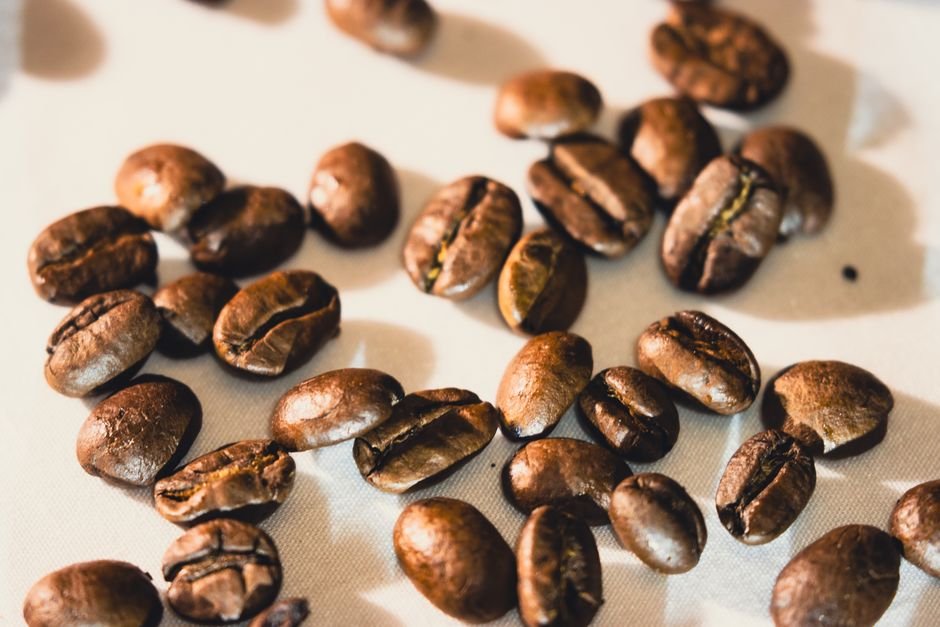
With over 1,000 varieties of coffee beans out there, picking the right one can be a daunting task. I often chose beans that looked appealing but left a flat taste in my cup. Learning the important distinctions has completely transformed how I enjoy coffee.
The key to selecting great coffee beans lies in knowing what you want. If you’re wondering how to choose coffee beans without regret, there are clear factors to consider, like the type of beans, their freshness, and the roast level. These decisions can make or break your daily cup.

Common Pitfall: Ignoring Bean Types
Not all coffee beans are created equal. The primary differentiation comes down to two types: Arabica and Robusta. Arabica beans are known for their sweetness and complex flavor profiles. They generally have a lower caffeine content and a higher acidity, making them the preferable choice for most coffee enthusiasts.
On the flip side, Robusta beans are stronger and more bitter, often used in espresso blends for their crema and more substantial flavor. If you’re looking for a more robust kick, you might be drawn to Robusta, but I find that Arabica offers a more balanced experience. It’s crucial to decide which flavor profile resonates with you before making a purchase.
The Cost of Neglecting Freshness
Another mistake I often made was ignoring the concept of freshness. Coffee beans start losing their flavor after they’re roasted. Ideally, you want to buy roasted beans no more than two weeks old. Many people think they can stock up, but once they’re opened, beans usually begin to oxidize quickly.
When I switched to purchasing freshly roasted beans, my coffee quality significantly improved. Look for local roasters who sell their products in small batches. If you can’t buy locally, make sure to check the roast date on the packaging, it’s a game-changer in freshness.
Overlooking Region-Specific Flavors
The region where coffee beans are grown impacts their flavor dramatically. For example, beans from Colombia are typically well-rounded with a mild flavor, while Ethiopian beans are known for their fruity and floral notes. If you answer the question of what kind of flavor you enjoy, it helps narrow down your choices.
I would recommend trying single-origin coffees that showcase the individual characteristics of each region. My personal favorite is a high-elevation Ethiopian Yirgacheffe; it has a nuanced flavor that elevates my morning routine.
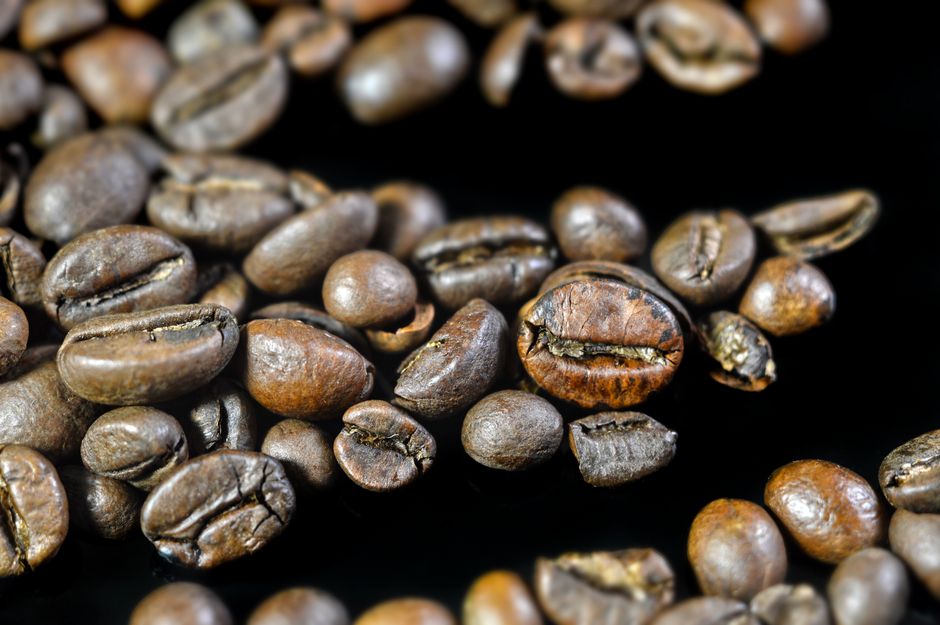
How Roast Levels Influence Taste
Another critical element that often gets overlooked is roast levels. Coffee can range from light to dark roasts, and each brings out different flavor notes. Light roasts maintain more of the bean’s natural flavors and acidity, while dark roasts present bolder, bittersweet flavors due to the roasting process.
If you’re uncertain about which roast to choose, I suggest starting with a medium roast. It generally has a balanced flavor that captures some of the bean’s original characteristics while providing a fuller body. Experimenting is essential; don’t hesitate to buy a couple of different roasts to compare.
Misjudging the Importance of Grinding
Many people underestimate the impact of grinding coffee beans right before brewing. Pre-ground coffee diminishes flavor because it oxidizes faster. If you’re serious about your coffee, invest in a good burr grinder. This ensures a consistent grind size, which is vital for achieving the best extraction during brewing. You’ll find that freshly ground coffee changes everything.
For espresso, go for a fine grind, while a coarser grind works better for French press. Getting the grind right is often a learning curve; don’t hesitate to adjust based on the brewing method and your personal taste.
The Takeaway: It’s Worth the Effort
For the best flavor, opt for freshly roasted Arabica beans if you prefer a sweeter, more nuanced profile. If you enjoy a stronger kick, go for Robusta, which has more caffeine and a bolder taste. Invest in quality beans to ensure that each cup meets your expectations. If you’re looking for insight on how to choose coffee beans, there are many resources available.
Our write-up on moka pot picks up where this leaves off.
Frequently Asked Questions
What type of coffee beans are best for beginners?
For beginners, medium roast coffee beans are often recommended because they strike a balance between acidity and flavor. They provide a smooth taste that's less bitter than darker roasts, making them more approachable for those new to coffee.
Why does coffee bean origin matter?
Coffee bean origin matters because it influences flavor profiles, acidity, and aroma. Different regions produce beans with unique characteristics, such as fruity notes from African beans or nutty flavors from Central American varieties, allowing coffee lovers to explore a wide range of tastes.
How can you tell if coffee beans are fresh?
You can tell if coffee beans are fresh by checking the roast date printed on the packaging; they are best consumed within two to four weeks after roasting. Additionally, fresh beans often have a vibrant smell and a slight oily sheen, while stale beans may appear dull and lack aroma.
What is the difference between light and dark roast beans?
Light roast beans have a brighter flavor and higher acidity, retaining more of the bean's original characteristics, while dark roast beans are more robust with a smoky, bitter profile due to the longer roasting process. The roasting temperature and time greatly influence the final taste and aroma of the coffee.
Can coffee beans affect the flavor of iced coffee?
Yes, the type of coffee beans used can significantly impact the flavor of iced coffee. Different origins and roast levels will yield various flavor notes, and lighter roasts may produce higher acidity and brightness, while darker roasts provide a deeper, richer taste that holds up well when chilled.




Leave a Reply