

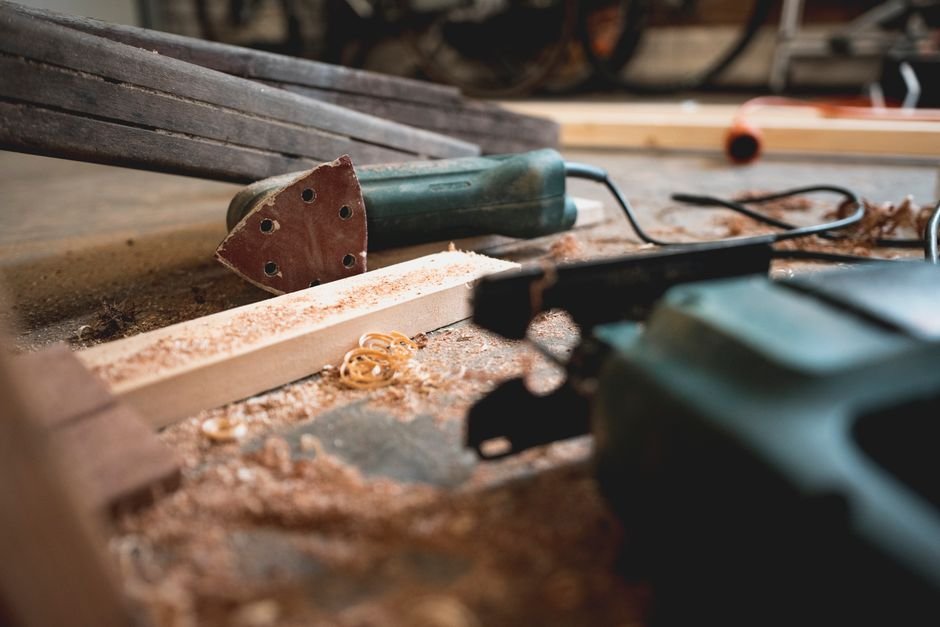
For just around $50, a cordless power drill becomes the essential tool for woodworking beginners. Its versatility allows users to easily create precise holes and drive screws, eliminating the steep learning curve associated with hand tools like saws and chisels.
When I first ventured into woodworking, I found that having the right tools could mean the difference between frustration and joy in creating projects. Start with a good power drill, and you’ll open the door to a world of woodworking possibilities without overwhelming yourself with complexity.
Essential Tools for Beginners
While a power drill is crucial, it’s just the starting point. You’ll also need a hand saw for cutting and basic wood planing tools for those finer touches. A hand saw is easy to learn and will help you make straight cuts and notches without breaking the bank. I recommend a tenon saw for its precision.
In addition to those, safety gear cannot be overlooked. Invest in a decent pair of safety goggles and ear protection. You’ll be thankful when the dust flies and power tools roar! Many beginners neglect safety gear, thinking it’s unnecessary, but it’s vital to protect your eyes and ears from potential harm while you work.

Why Some Tools Are More Beginner-Friendly
Simple tools may seem less intimidating, but that doesn’t mean they lack effectiveness. A hand saw, for example, is straightforward, allowing you to develop basic skills without feeling overwhelmed. Plus, you get instant feedback when you make a mistake, which accelerates your learning curve.
Power tools like drills are designed with safety features to assist beginners. Features such as safety clutches prevent stripping screws and allow for controlled power output, making it impossible to go wrong. This combination of ease and safety is what makes these tools invaluable for someone just starting in woodworking.

Building Your Tool Collection Gradually
While it’s tempting to purchase a full kit all at once, I recommend starting with just a few essential items and building your collection as you grow. After the power drill, I suggest adding a circular saw for making clean, straight cuts. This tool will save you time and ensure that your pieces fit together well, giving your projects a professional look.
Next, consider acquiring clamps. They come in handy for holding pieces together as you work on your projects. You may not think about them at first, but good clamping can save you from a lot of headaches down the line.
Best Practices in Tool Usage
Learning the best practices in using these tools will serve you well. Start small and focus on mastering one tool at a time. Most people jump from one tool to another before they’re comfortable, which can lead to mistakes and accidents. For instance, practice using your power drill on scrap wood until you’re confident in your ability to drive screws effectively.
Drawing simple plans for your projects can also help you understand how to use each tool in conjunction. Planning out your work will improve your confidence and success as you tackle new tasks.
Worth reading alongside this: electric smoker for beginners.
See also our take on beginners essential.
Conclusion: The Power Drill Wins
The cordless power drill is the recommended starting point for woodworking novices, while hand saws suit those who prefer traditional methods. As skills grow, adding clamps and safety gear will enhance the experience, providing a solid foundation before moving on to more advanced tools. If you’re curious about what is the best tool for woodworking beginners, exploring various options is key.
Frequently Asked Questions
What are essential woodworking tools for beginners?
Essential woodworking tools for beginners include a tape measure, a square, a handsaw, a chisel set, a hammer, and clamps. These tools provide the foundation for a variety of basic woodworking projects.
Why start with hand tools in woodworking?
Starting with hand tools allows beginners to develop a better understanding of the materials and techniques involved in woodworking. Hand tools also tend to be more affordable and require less safety consideration than power tools.
How can beginners choose woodworking tools?
Beginners should choose woodworking tools based on the types of projects they plan to undertake, assessing both the quality and cost of the tools. It's beneficial to start with a few essential, versatile tools rather than trying to acquire a large collection at once.
Can beginners use power tools for woodworking?
Yes, beginners can use power tools for woodworking, but they should do so with caution and proper instruction. It's important to start with basic, user-friendly power tools and to always prioritize safety by following guidelines and wearing appropriate protective gear.
What is the safest tool for beginner woodworkers?
The safest tool for beginner woodworkers is typically a hand saw, as it allows for greater control and minimizes the risk of injury compared to power saws. Additionally, using tools like clamps and protective gear further enhances safety during woodworking.


Leave a Reply