

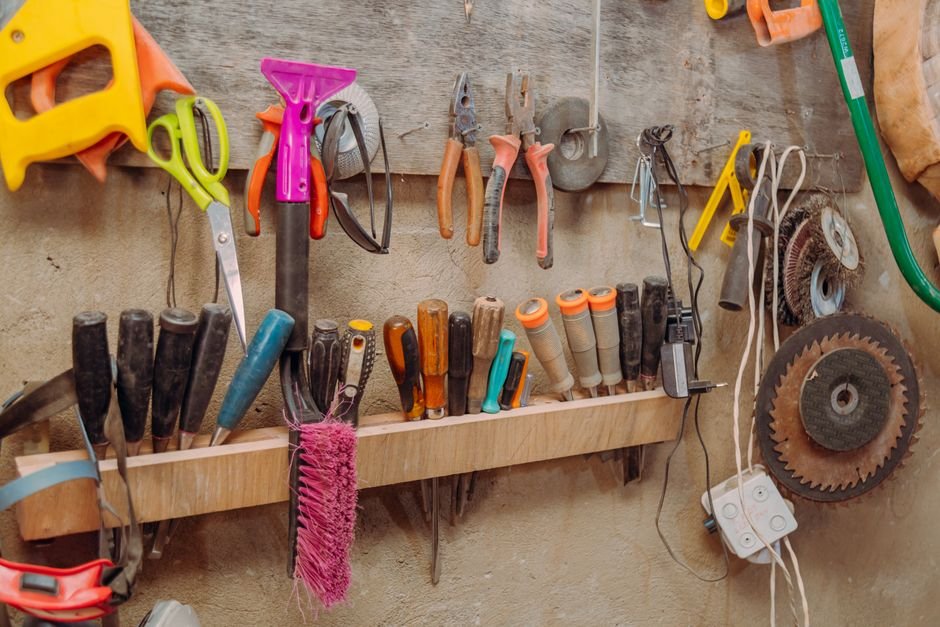
Approximately 30% of tool owners face damage or mishaps due to poor storage practices. Tools that are improperly stored can degrade significantly, leading to costly replacements. To evade these common issues, mastering the art of proper tool storage is essential.
Traveling with your tools is a different ballgame compared to keeping them at home. Between the varying climates, potential for damage, and the need for organization, I’ve discovered several effective ways to store them safely and securely while on the move. In this article, I’ll share my insights on selecting the right storage solutions, tips for rust prevention, and the importance of climate control.
Choosing the Right Storage Container
Your choice of container can be the difference between a well-maintained tool collection and a rusty, useless pile. I’ve tried different options, but I always prefer a heavy-duty toolbox. First, you want a toolbox that’s waterproof and equipped with a locking mechanism. Some plastic models can save weight but often sacrifice durability.
Additionally, consider how many tools you need to transport. A compact toolbox might suffice for a quick job, but for longer trips or larger workloads, a wheeled toolbox is worth the investment. I learned the hard way that trying to fit everything into one small container just leads to chaos and frustration.
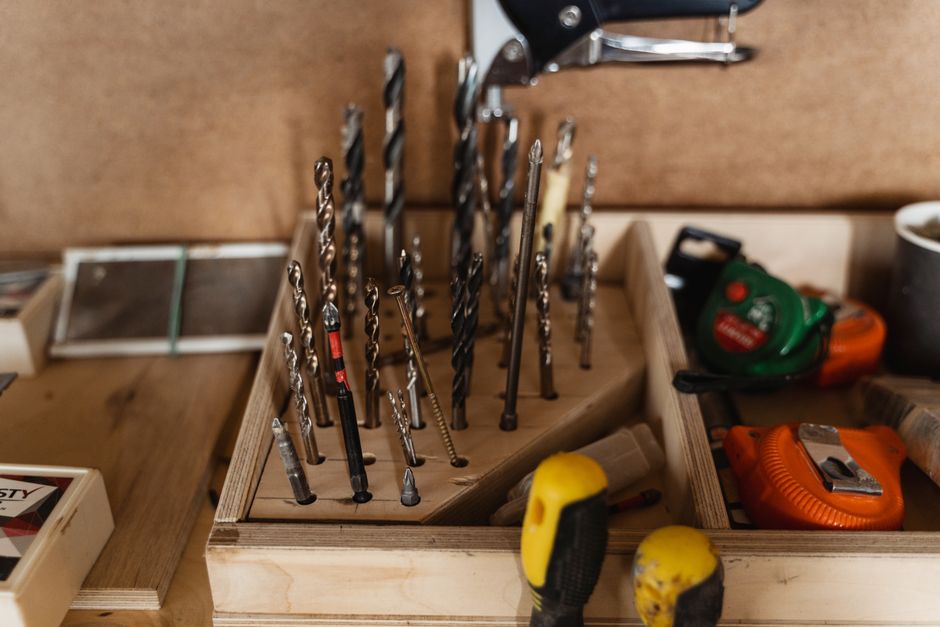
Organizers or modular systems with removable trays can help simplify finding what you need quickly.
Essential Tools for Proper Organization
Storing tools effectively means more than just slapping everything in your container. I highly recommend using tool organizers, like magnetic strips or drawer organizers. These keep small items like screws, nails, and bits from getting lost and help maintain easy access. When using compartments, make sure everything has its place, so you won’t waste time digging through a cluttered toolbox.
Also, categorizing your tools can be immensely helpful. For example, keep your hand tools together in one section and your power tools in another. It’s a simple organizational technique, but it works wonders when any project requires multiple tools. Trust me; I’ve had those frantic moments where I couldn’t locate a crucial tool simply because it was buried below three others.
Preventing Tool Rust on the Road
One major downside of traveling with tools is exposure to moisture, which can lead to rust. In climates where humidity is high, I recommend using rust prevention oils or sprays. A quick coat can shield metal surfaces and provide protection during transit. A popular choice is a spray-on rust inhibitor, but be cautious: some require reapplication after use.
Moreover, desiccant packs are an affordable way to absorb moisture from your toolbox. I generally toss a few in with my tools, especially when I know I’m heading to a humid environment. Even a simple silica gel packet can make a big difference, so don’t overlook this straightforward solution.

Climate Control While Storing Tools
Extreme temperatures can also wreak havoc on your tools. When possible, avoid leaving your toolbox in an unheated garage or your vehicle during heated or freezing weather. If you need to keep them in such locations, I recommend investing in a padded carry bag that provides insulation. This helps to protect your tools from freezing temperatures or excessive heat.
Another aspect of climate control is the internal environment of your toolbox. If you have waterproof sealers, they can help prevent moisture from entering. Just be sure to open it occasionally to air out trapped humidity, which can still happen even in sealed containers. Protecting your investment requires due diligence.
The Cost of Proper Tool Storage
Many people underestimate the cost of organizing and protecting their tools. Basic toolboxes can start as low as $20, but a quality, heavy-duty model can run up to $200 or more. Now, consider the cost associated with replacing damaged tools that could’ve been easily prevented with proper storage. A better approach is to view these expenditures as investments.
- Heavy-duty toolbox: $50 to $200
- Modular storage systems: $75 to $150
- Rust prevention oils: $10 to $30
- Desiccant packs: $5 for a packet of 10
When I made these purchases, I viewed them through the lens of cost savings. Replacing a rusted out tool can be significantly more than properly maintaining it.
Final Recommendations for Effective Tool Storage
For long-term storage, a heavy-duty toolbox is your best bet, especially for those with a diverse range of tools. On the other hand, if you frequently travel, using a compact organizer will keep everything easily accessible. Prioritize a storage solution that suits your routine, ensuring your tools remain in top shape.
For the underlying data, Extension Okstate is worth a look.
If that matters to you, our piece on meals while goes further.
Frequently Asked Questions
How can I prevent my tools from rusting?
To prevent your tools from rusting, keep them clean and dry after each use. Consider applying a light coat of oil, such as mineral oil or WD-40, to metal surfaces, and store them in a moisture-free environment.
What is the best way to store tools for travel?
The best way to store tools for travel is to use a sturdy tool bag or a toolbox that offers compartmentalization to keep tools organized and secure. Opt for containers with waterproof or weather-resistant materials to protect against the elements.
Can I store tools in a car trunk?
Storing tools in a car trunk is possible, but it's best to use tool boxes or organizers to prevent tools from moving around and getting damaged. Ensure they are securely stored and out of direct sunlight to minimize wear and potential rust.
Why is tool organization important for travelers?
Tool organization is crucial for travelers as it saves time and frustration when searching for specific tools, especially in emergencies. An organized setup also minimizes the risk of losing tools while on the go.
How do I choose the right storage for travel tools?
To choose the right storage for travel tools, consider factors like the type and size of tools you need to carry, your mode of travel, and how often you require access to them. Look for lightweight, portable options with durable materials and compartments that fit your tools snugly.





Leave a Reply