

A microplane costs around $15 to $40, depending on the model, and it's a tool that can make your cooking easier and more flavorful. Misusing it, however, can lead to messes and injuries. Learning to use a microplane effectively unlocks a range of possible uses from zesting citrus to grating cheese.
I’ve found that getting comfortable with a microplane can take a bit of practice. Once you learn the tricks, it becomes an essential part of your daily cooking. Whether you’re grating spices or zesting citrus, there’s a technique for everything that will make your work smoother and safer.

The Essential Microplane Uses in the Kitchen
Every time I reach for my microplane, it’s like having a secret weapon in the kitchen. One of the best uses is zesting citrus fruits. You can achieve incredibly fine zest with minimal effort. Simply hold the fruit in one hand and the microplane in the other, and glide the fruit over the grater.
Be gentle; you just want the outer peel, so stop before you hit the bitter white pith.
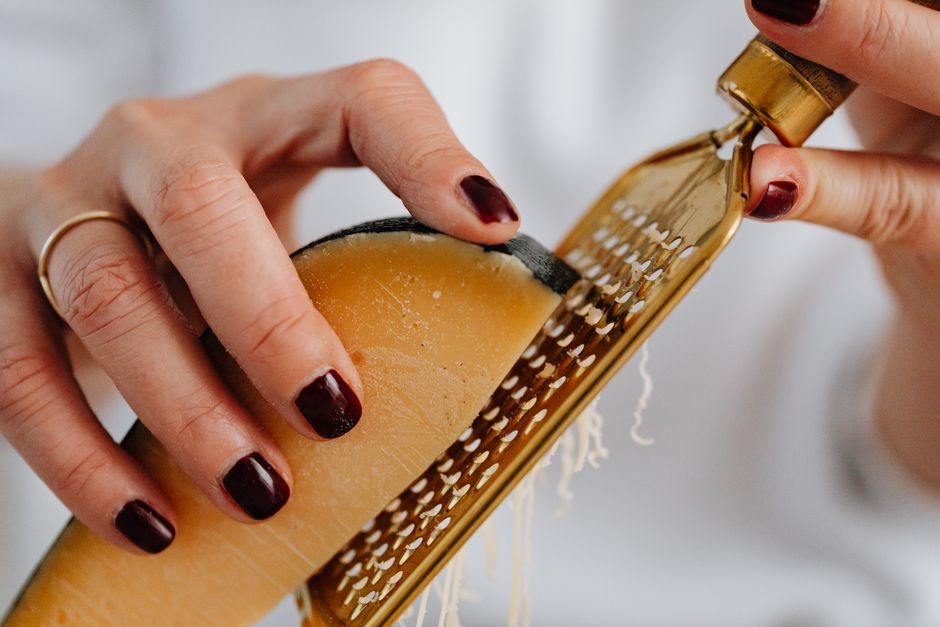
Another excellent use is grating hard cheeses, like Parmigiano-Reggiano. The fine texture that emerges makes it perfect for topping pasta dishes or even incorporating into sauces. When you want that intense cheese flavor but in a smooth way, this is how to properly use a microplane. You get more coverage with less cheese, which is a win-win.
Choosing the Right Microplane for Your Needs
Microplanes come in various sizes and styles, and picking the right one can impact your cooking. For zesting, a straight-edged microplane is ideal because it allows for more control. For hard spices like nutmeg, a coarse microplane is preferred. I always keep a few different kinds on hand for versatility purposes.
You can use them interchangeably in some cases, but each gives unique results based on its design.
For more complicated tasks, like making finely grated garlic or ginger, a microplane with a medium grit system gives you great results without pulverizing the ingredients. This is absolutely essential when you’re looking to release flavors without turning them into juice.
Proper Technique to Avoid Cutting Yourself
Even a seemingly harmless kitchen tool can cause accidents. The most prevalent mistake is using excessive force while grating. It’s easy to think that pressing harder will yield more zest or grated material, but that leads to loss of control. Light, steady pressure is the key. If you apply less force, you’re less likely to slip.
I’ve found it useful to work smarter, not harder.
Another tip is to keep your fingers away from the grater’s surface. Use the palm of your hand and apply gentle movements to find that sweet spot where the resistance feels right. You can also invest in a finger guard for added safety, especially if you’re new to using a microplane.

Cleaning and Maintenance to Extend Life
Maintaining your microplane is surprisingly simple but often overlooked. After use, rinse it immediately to prevent food buildup. I recommend using warm soapy water and a soft brush to remove any stubborn particles. Never use harsh scouring pads because they can dull the grating surface. I’ve made the mistake of letting food linger, and it becomes a chore to clean.
Ensure it’s thoroughly dried before storing. Humidity can cause rust, especially if you own a stainless steel microplane. Taking a moment to care for it extends its life and keeps it grating effectively, which you definitely want.
The Takeaway: Make Microplaning Your Friend
The best microplane for general use is the Microplane Classic Zester Grater, which is excellent for zesting and grating cheese. If you're focused on fine spice grating, consider the Microplane Herb Mill for a different approach. Each option serves various cooking needs, ensuring you find the right fit for your culinary style.
Related reading: washer for home use.
Frequently Asked Questions
What can you grate with a microplane?
You can grate a variety of ingredients with a microplane, including citrus zest, hard cheeses like Parmesan, spices such as nutmeg, and garlic. It's particularly effective for creating fine shavings that enhance flavor without large chunks.
Can a microplane be used for chocolate?
Yes, a microplane can be used for grating chocolate, especially for hard or semi-hard varieties. This method produces fine chocolate shavings that can be used as a garnish or in baking.
How do you clean a microplane?
To clean a microplane, rinse it under warm water immediately after use to remove food particles. You can also use a soft brush or sponge to gently scrub the grating surface, but avoid using abrasive materials that could damage the blades.
Why is a microplane better than a grater?
A microplane is often considered better than a traditional grater because it produces finer results, allowing for more delicate textures and enhanced flavor release. Additionally, the design of a microplane often makes it easier to handle and use, reducing the effort needed for grating.
Is a microplane safe to use?
Yes, a microplane is safe to use when handled properly, but caution is advised due to the sharpness of its blades. Always keep fingers away from the grating surface and use the hand guard if available to prevent accidental cuts.




Leave a Reply