

Mildew can thrive in a shower with humidity levels above 60%, making it a constant problem for many homeowners. Not just an eyesore, it can also trigger allergies and respiratory issues if not addressed promptly. Here are some natural cleaning methods I've found to be efficient in tackling mildew in my bathroom.
When it comes to how to remove mildew from the bathroom, there are crucial methods you can implement without resorting to harsh chemicals. Many commercial cleaners can be potent but may introduce unwanted toxins into your living space. Instead, I focus on alternatives that not only clean effectively but also leave my bathroom smelling fresh.
What Causes Mildew in Bathrooms?
Mildew loves warm, damp areas, which makes bathrooms a perfect breeding ground. Poor ventilation is often the main culprit; without adequate airflow, moisture accumulates. Showers, baths, and even condensation from mirrors and windows can contribute to this issue. Common places where mildew thrives include grout lines, shower curtains, and bathroom mats, where moisture often collects and lingers.
Another factor that contributes to mildew is inadequate cleaning habits. Even if you clean regularly, neglecting those hard-to-reach areas can lead to mildew growth. To combat this, I recommend a more thorough regimen, particularly focusing on the corners, crevices, and behind items like the toilet and sink.
Natural Solutions for Mildew Removal
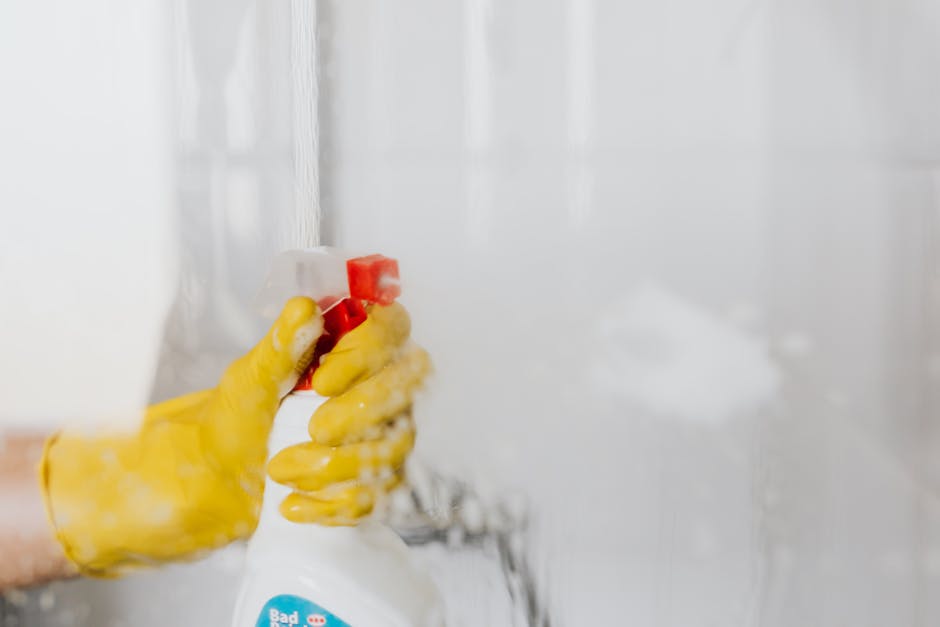
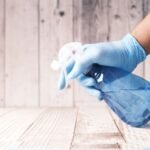
One of the simplest and most effective methods I’ve discovered for dealing with mildew is a vinegar solution. All you need is a spray bottle filled with undiluted white vinegar. Just spray it directly onto the affected areas, let it sit for about an hour, and then wipe it away with a damp cloth. Vinegar not only kills mildew, but it also prevents its return.
Another great natural option is baking soda. It’s mildly abrasive, which can help scrub away mildew without damaging surfaces. I mix it with water to create a paste and apply it directly to the mildew spots. After letting it sit for about 10-15 minutes, I scrub the area with a brush, and rinse it clean.
Both vinegar and baking soda are also inexpensive and readily available, making them practical alternatives to chemical cleaners.
Routine Maintenance to Prevent Mildew
Now that you’ve tackled existing mildew, it’s essential to focus on preventing future growth. Regular maintenance can save you hours of scrubbing later. One critical step is ensuring proper ventilation post-shower. I usually crack a window and turn on the exhaust fan for at least 20 minutes after using the bathroom. This simple habit dramatically reduces moisture retention.
Additionally, changing bath mats and towels frequently helps keep mildew at bay. I recommend washing them every week in hot water; this not only removes mildew spores but also keeps them fresh. It’s an easy adjustment that can make a big difference.
When to Seek Professional Help
While most cases of mildew can be handled with DIY solutions, there are instances where professional intervention is advisable. If you notice a persistent musty odor or find that mildew keeps returning, it could be an indication of a larger problem, like hidden leaks or extensive mold growth beneath surfaces. In such cases, hiring a mold remediation specialist might be necessary for effective resolution.
Before escalating to professionals, ensure you are addressing visible spots regularly and that your ventilation system is functioning correctly. Making these checks can sometimes solve the problem before it becomes more significant.
Your Choices Matter
The option to go natural when cleaning mildew not only benefits your bathroom’s surfaces but also promotes a healthier indoor environment. Adopting simple practices like using vinegar, baking soda, and ensuring proper ventilation is a game-changer in combating mildew and mold. These solutions are not only effective; they’re affordable and environmentally friendly.
If you find yourself fighting against excess moisture in your home, consider exploring related strategies such as using air purifiers or dehumidifiers to improve air quality and reduce humidity levels. You can read more about that in my article on Air Purifier vs Dehumidifier: Which is Best for Your Home?. If you’re looking for detailed instructions on how to remove mildew from bathroom surfaces, you can visit this helpful resource.
By incorporating these insights into your cleaning routine, you can maintain a fresher, mold-free bathroom.
Frequently Asked Questions
What naturally kills mildew in the bathroom?
Natural solutions like tea tree oil and vinegar can effectively kill mildew. Baking soda is also effective as it not only helps to eliminate mildew but also absorbs moisture.
Why does mildew grow in bathrooms?
Mildew thrives in bathrooms due to the high humidity and moisture levels from showers and baths. Poor ventilation and lack of sunlight also contribute to its growth.
Can vinegar remove mildew from bathroom?
Yes, vinegar is an effective natural cleaner that can remove mildew due to its acidic properties. It can be sprayed directly on the affected areas and left to sit before scrubbing.
Is bleach or vinegar better for mildew removal?
Bleach is more powerful and can kill mildew quickly, but it also can damage surfaces and release harmful fumes. Vinegar is a safer alternative, especially for painted surfaces and in enclosed spaces.
How do I prevent mildew in my bathroom?
To prevent mildew, ensure proper ventilation by using exhaust fans and opening windows. Regular cleaning, reducing humidity levels, and using mildew-resistant products can also help.


Leave a Reply