

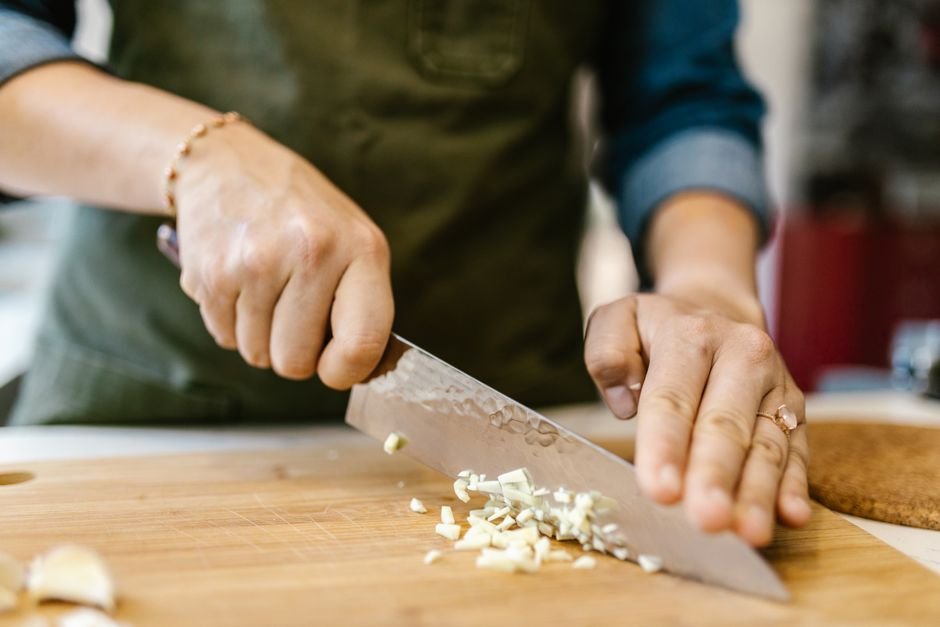
A chef's knife can cost anywhere from $30 to over $300, and grabbing the first reasonably priced option often leads to disappointment. The right knife is crucial for a more enjoyable cooking experience, enhancing your efficiency and comfort in the kitchen. Look for a knife that feels like a natural extension of your hand, making your culinary tasks easier.
Here’s what you need to know about how to select the right chef's knifefrom blade materials to handle design and balance. Not every knife is created equal, and some popular options might not suit your cooking style at all.

Considering Blade Material
The material of the blade plays a significant role in the overall performance of your chef’s knife. There are generally three types of materials you will encounter: stainless steel, carbon steel, and ceramic. Stainless steel is popular due to its rust resistance and ease of maintenance; however, it could lose its sharpness relatively quickly.
In contrast, carbon steel knives are renowned for their ability to hold an edge longer, though they require more upkeep to prevent rust.
Ceramic blades are lightweight and stay sharp for an extended period. However, they are prone to chipping if mishandled. Personally, I’ve found striking a balance between stainless steel and high-carbon steel serves my needs perfectly. If you find yourself primarily cutting vegetables and fruits, a stainless steel knife might suffice.
But if you’re into more meticulous work, like chopping herbs or slicing proteins, investing in a good carbon steel blade pays off.
The Importance of Knife Balance and Weight
Next up is knife balance and weight, which are crucial yet often overlooked aspects. A well-balanced knife feels natural in your hand and will reduce fatigue during extended use. You should feel the weight distributed evenly between the blade and the handle. If you have to struggle to lift or control the knife, it’s not the right one for you.
Ideally, the blade should feel lighter than the handle. This promotes precision and control as you chop. I’d avoid knives that feel too heavy or awkward, as they can lead to wrist strain and poor technique. A quick tip: try holding a knife in different positions, pinch grip, traditional grip, and see how it feels.
If it feels like dead weight, it’s time to keep looking.

Assessing Handle Design for Comfort
Handle design is another critical factor when selecting a chef’s knife. The material can range from wooden grips to plastic and composite handles. Wooden handles often provide a warm feel and can be beautiful. However, they require more care to maintain their appearance and longevity. Plastic or composite handles are typically more durable and lower maintenance.
When I pick up a knife, I prioritize a comfortable grip that allows me to maintain control while cutting. Look for a handle that is not too thick or thin; it should fit comfortably in your palm without requiring excessive pressure. Certain brands offer ergonomic designs that reduce strain and improve grip, it can be worth the investment if you do a lot of cooking.
Kitchen Tasks and Knife Types
It’s essential to consider your cooking style as you think through how to select the right chef’s knife. If you’re someone who cooks often and tackles everything from raw meat to delicate herbs, opt for a versatile option around 8 inches. This length strikes an excellent balance for various tasks, giving you enough blade to chop efficiently without being unwieldy.
For specific tasks like filleting fish or breaking down poultry, other knives might serve you better. Conversely, a longer knife excels at slicing large cuts of meat or tackling a hefty butternut squash.
It’s useful to think of a chef’s knife as your primary tool, and if you know you do a lot of specialized work, having supplementary knives on hand will help save time and effort in the kitchen.
Evaluating Price Versus Quality
Finally, let’s talk price. A higher price tag doesn’t always signify better quality. Knives in the $100 to $300 range can provide a fantastic experience, but that doesn’t mean you must break the bank. Many brands offer excellent options under $100 that deliver quality performance without the premium price tag, especially if you’re hesitant about investing heavily at the start.
When evaluating cost, consider how often you cook and whether a knife will be a long-term investment. It makes sense to spend a little more for something durable and high-quality if you plan on daily use. Shortcuts on knives often lead to frustrations that consume your time and energy, trust me; I’ve been there.
Your Final Choice Matters
For most home cooks, a top-notch stainless steel knife between 8 and 10 inches is highly recommended due to its versatility. If you have advanced skills or specific needs, consider a high-carbon blade or additional specialized knives for enhanced performance. Selecting the right chef's knife can greatly impact your time in the kitchen, so make your choice thoughtfully. You can learn more about how to select the right chef’s knife here.
Our write-up on air purifier vs diffuser picks up where this leaves off.
Frequently Asked Questions
What makes a good chef's knife?
A good chef's knife typically has a high-quality, durable blade that retains its sharpness and provides a comfortable grip. The material of the blade, which could be stainless steel or carbon steel, contributes to its performance, while a well-designed ergonomic handle enhances control during use.
How do I know if a chef's knife is right for me?
To determine if a chef's knife is right for you, consider factors such as the knife's weight, handle comfort, and blade size. It should feel balanced in your hand and allow you to perform various cutting tasks with ease.
Why is balance important in a chef's knife?
Balance in a chef's knife is crucial as it affects control and comfort during use. A well-balanced knife reduces fatigue and allows for smoother cutting motions, enhancing precision and overall cooking experience.
Can I travel with a chef's knife?
Yes, you can travel with a chef's knife, but you need to ensure it is properly packed and complies with travel regulations. Consider using a knife roll or sheath to protect the blade and yourself, and be aware of the restrictions of the airline or transportation method regarding sharp objects.
Is a chef's knife necessary for home cooking?
While a chef's knife is not strictly necessary for home cooking, it is highly beneficial due to its versatility in handling a variety of tasks like chopping, slicing, and dicing. Having a quality chef's knife can significantly improve efficiency and enjoyment in the kitchen.




Leave a Reply