


One in four DIY home renovation projects encounters significant issues that can lead to unexpected expenses and delays. Understanding how to effectively troubleshoot these problems can minimize costly mistakes and keep your project on track.
This list covers five common DIY problems you might encounter and how to address them effectively. I’ve distilled this down to what has worked for me, so you can confidently handle your renovation tasks.

1. Inconsistent Paint Coverage
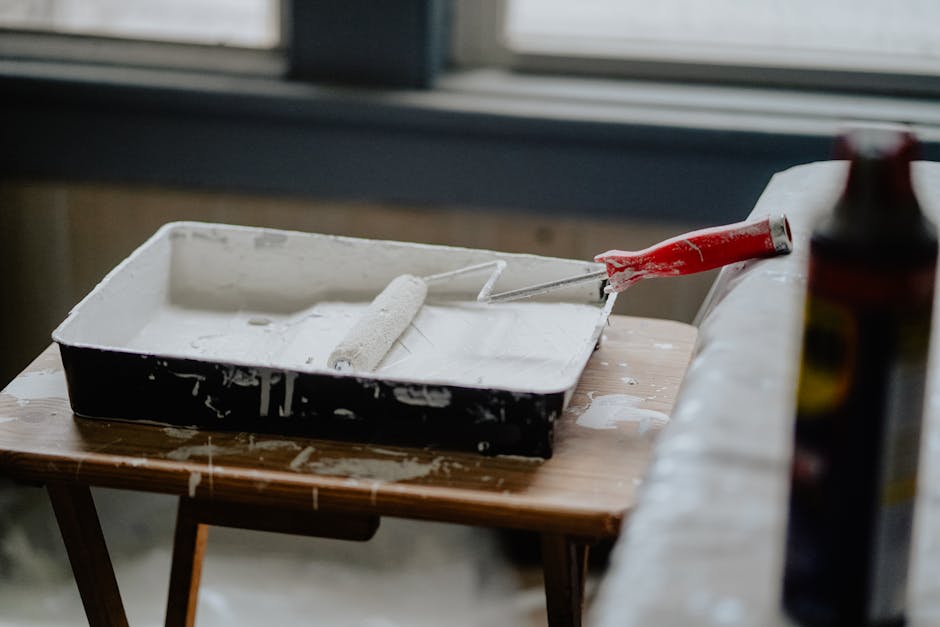
There’s nothing worse than finishing a painting project only to discover uneven spots later. This issue usually arises from not prepping the surface correctly or using cheap brushes. It’s essential to clean the surfaces well and invest in quality tools for good coverage.
A practical tip: always do a patch test on a small area before starting. It provides insight into how the colors will appear and prevents wasting paint and time.
2. Uneven Floors
Uneven floors can derail a renovation, especially when installing tile or hardwood. This issue is often due to subfloor problems or settling in your foundation. Before layering new floors, ensure your subfloor is level, and consider using self-leveling compound if necessary.
To assess floor levelness, use a long level or a straight board and measure how far off it is from being even. This step allows you to see exactly where adjustments are needed.
3. Plumbing Leaks
If you’re tackling plumbing tasks, leaks can occur, leading to expensive damages. Many DIYers overlook checking connections after installation. A common culprit is forgetting to properly tighten fittings or using worn-out washers.
Always test your plumbing work by running water for a few minutes and checking for leaks immediately afterward. It’s better to catch and fix small issues now than face bigger problems down the road.
4. Misaligned Cabinets
Installing cabinets can feel like assembling a jigsaw puzzle, and misalignment often results in a frustrating end product. This usually stems from uneven walls or an inadequate leveling process during installation. It’s critical to measure and mark where you want the cabinets to go accurately.
Make sure to use a laser level to double-check alignment as you install to avoid this issue. It’s worth spending that extra time upfront to ensure everything aligns perfectly.
5. Poor Electrical Connections
Electrical work can be daunting, especially if you’re not familiar with the systems in your home. Loose connections can cause flickering lights and potential hazards. This is often due to improperly tightened screws or hidden wiring issues.
If you encounter electrical troubles, make sure to turn off power to the area you’re working in before troubleshooting. Double-check all connections and test with a voltage tester before calling in a professional.
How to Choose
For straightforward renovations, DIY repairs can save money and provide a sense of accomplishment. However, for complex issues like major plumbing or electrical work, hiring a professional is the best option to ensure safety and long-term results.
There is more on troubleshooting closet organizer elsewhere on the site.
Worth reading alongside this: machine common issues.
Frequently Asked Questions
What are common DIY renovation mistakes?
Common DIY renovation mistakes include underestimating the time and cost required, not obtaining necessary permits, and neglecting proper measurements or planning. Additionally, many homeowners fail to consider structural implications, leading to safety issues.
Why is my DIY renovation not going as planned?
Your DIY renovation may not be going as planned due to a lack of experience or knowledge about the materials and techniques involved. Poorly defined goals, inadequate preparation, or unexpected issues such as hidden damage can also contribute to delays and complications.
How can I fix a botched renovation job?
To fix a botched renovation job, first assess the extent of the issues and determine whether it requires a simple correction or a complete redo. Consulting with or hiring a professional for expert guidance can be beneficial, especially if structural integrity is compromised.
Is it safe to DIY home renovations?
DIY home renovations can be safe if you follow proper safety protocols, use the right tools, and are aware of your limits and capabilities. However, certain projects, especially those involving electrical, plumbing, or structural work, may require professional assistance for safety.
Can DIY renovations decrease home value?
DIY renovations can decrease home value if they are poorly executed, do not match the style of the home, or fail to meet local building codes. Quality workmanship is crucial; unprofessional renovations can turn away potential buyers and negatively affect market appeal.
When troubleshooting DIY home renovation issues, it’s essential to understand the associated risks, including potential lead exposure during renovations. For guidance on safely managing these risks, visit lead-safe renovations.


Leave a Reply