

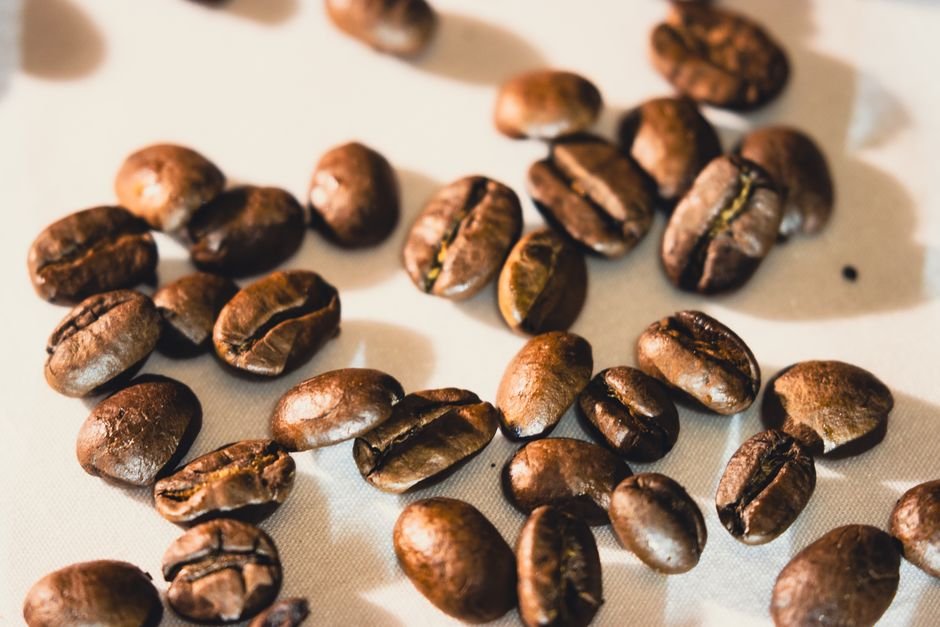
Coffee lovers often overlook that there are over 100 different types of coffee beans, but focusing on just a few can greatly improve your coffee experience. Choosing the right bean means you can fully enjoy the unique flavors that each variety provides. Here are five key types of coffee beans you should know about and their distinguishing features.
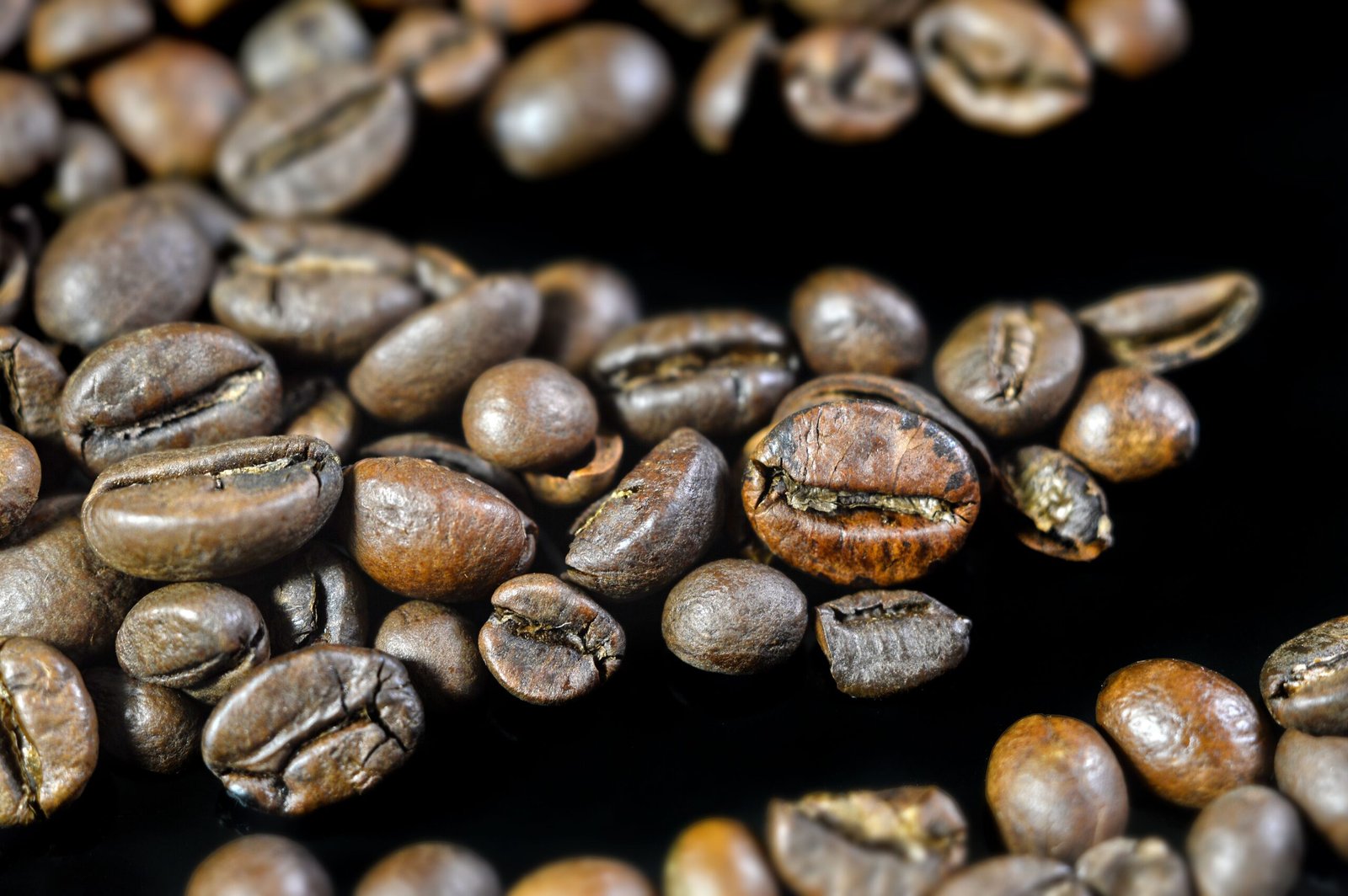
1. Arabica Coffee
Arabica beans account for about 60-70% of global coffee production, making them the most popular choice. They are known for their smooth, sweet flavor profile, often accompanied by hints of fruit, sugar, and even floral notes. I find Arabica is best for those who appreciate a lighter, more nuanced coffee experience. If you want to relish subtle flavors, Arabica will deliver that satisfaction.
A tip for coffee lovers: look for single-origin Arabica coffees as they showcase unique characteristics from their specific growing regions.
2. Robusta Coffee
Robusta coffee beans offer a stark contrast to Arabica and are known for their bold, earthy flavors and higher caffeine content. This bean is typically used in espresso blends, providing a thicker crema and a punchy kick. If you’re seeking an intense coffee experience, Robusta is your go-to. It also tends to have a more bitter taste, which some drinkers appreciate.
Beware, though; many mass-produced coffee blends emphasize Robusta for cost efficiency, so always check the blend if you’re looking for quality.
3. Liberica Beans
Less common than Arabica and Robusta, Liberica beans are known for their unique, fruity flavor profile with floral and woody notes. These beans thrive in tropical climates and offer a distinctive smoky aroma that can intrigue adventurous coffee drinkers. If you’re someone who enjoys trying less conventional varieties, Liberica is worth exploring.
Many coffee shops might not stock Liberica, so consider seeking out specialty roasters or local producers that focus on unique beans to find this type.
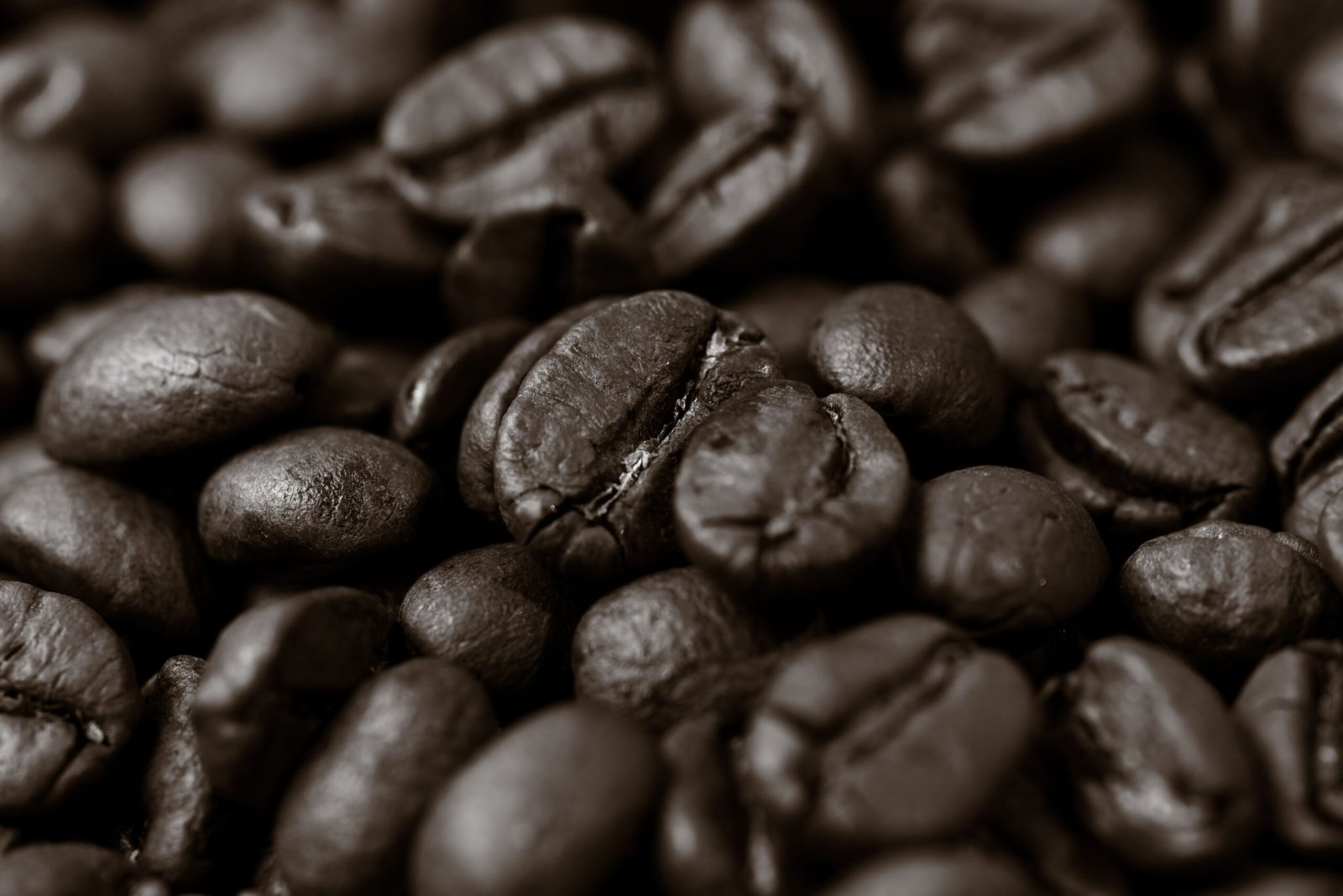
4. Excelsa Coffee
Excelsa beans, often categorized under the Liberica species, are distinguished by their intriguing taste and aroma. They have a unique fruity and tangy profile, often described as dark and rich. This makes them an excellent choice for those who enjoy complex flavors in their coffee. Using Excelsa in blends can provide an interesting twist, adding depth to the overall experience.
A great way to appreciate Excelsa is to experiment with brewing methods; I recommend using a French press to fully capture its rich flavors.
5. Cascara
Technically not a coffee bean but the dried husk of the coffee cherry, Cascara is gaining popularity for its tea-like qualities and vibrant, fruity flavors. It often has notes of berry and hibiscus, which make it refreshing, ideal for those who might want a caffeine boost without the strong coffee taste.
If you’re looking for a unique, pleasant drink that still nods to coffee origins, give Cascara a try.
Keep in mind that Cascara can vary significantly in flavor, so seeking high-quality sources is essential to truly appreciate this coffee alternative.
How to Choose
For the most pleasing flavor, stick with Arabica beans, which offer a smoother taste suited for those who prefer lighter brews. If you prefer a stronger cup, go for Robusta, which packs a punch with higher caffeine content. Don't hesitate to explore Libeica and Excelsa, as their distinctive flavors can offer a refreshing change.
Related reading: moka pot.
Frequently Asked Questions
What are the most popular coffee bean types?
The most popular coffee bean types are Arabica and Robusta. Arabica accounts for about 60-70% of global coffee production, while Robusta makes up around 30-40%.
Why is Arabica coffee preferred?
Arabica coffee is preferred for its smooth, complex flavor and lower caffeine content compared to other beans. Its delicate taste and aromatic qualities often make it the choice for coffee enthusiasts.
How do Robusta and Arabica compare?
Robusta coffee beans are generally stronger, with a more bitter flavor and higher caffeine content than Arabica beans. Additionally, Robusta plants are hardier and more resistant to pests, making them easier to cultivate.
Can different beans affect coffee flavor?
Yes, different coffee beans significantly affect coffee flavor due to variations in species, growing conditions, and processing methods. For instance, Arabica beans often have fruity and floral notes, while Robusta beans may have a more earthy and nutty taste.
What coffee beans are best for travel?
For travel, coffee beans that are durable and resistant to changes in temperature and humidity, like Robusta, may be more practical. Additionally, pre-ground coffee or single-serve pods can also be convenient for on-the-go brewing.




Leave a Reply