

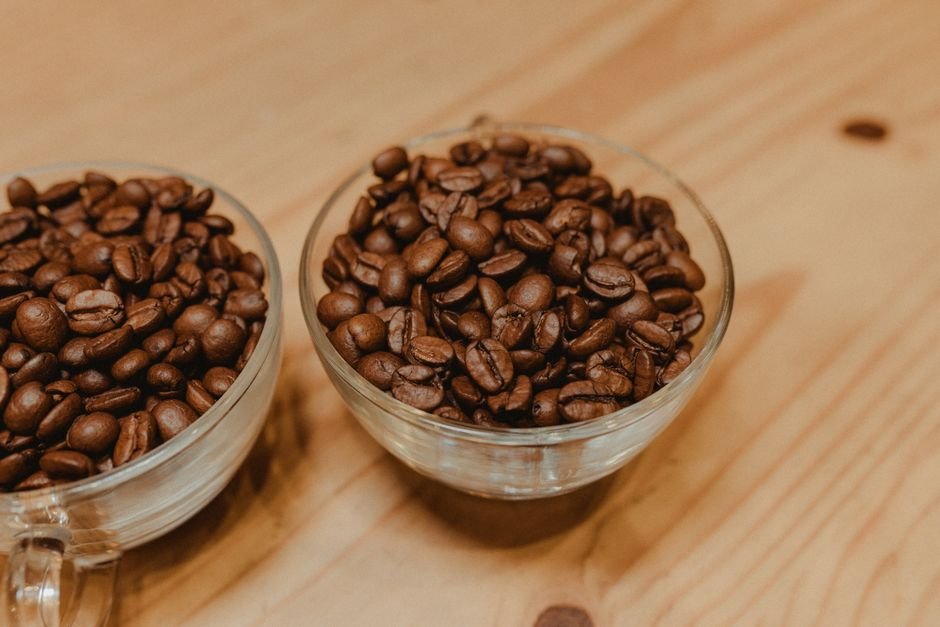
About 70% of the world's coffee production consists of Arabica beans, while Robusta makes up roughly 30%. Knowing the differences between these two types of beans is crucial, as it affects everything from flavor and caffeine levels to price. Your choice of bean can transform your coffee experience each morning.
Both Arabica and Robusta carry unique traits, from cultivation requirements and flavors to the growing regions that shape their profiles. If you’re a coffee lover or even a casual drinker, knowing these distinctions isn’t just useful; it’s essential for making informed choices. Let’s dive into the specifics and clarify the key differences between these two types of coffee beans.
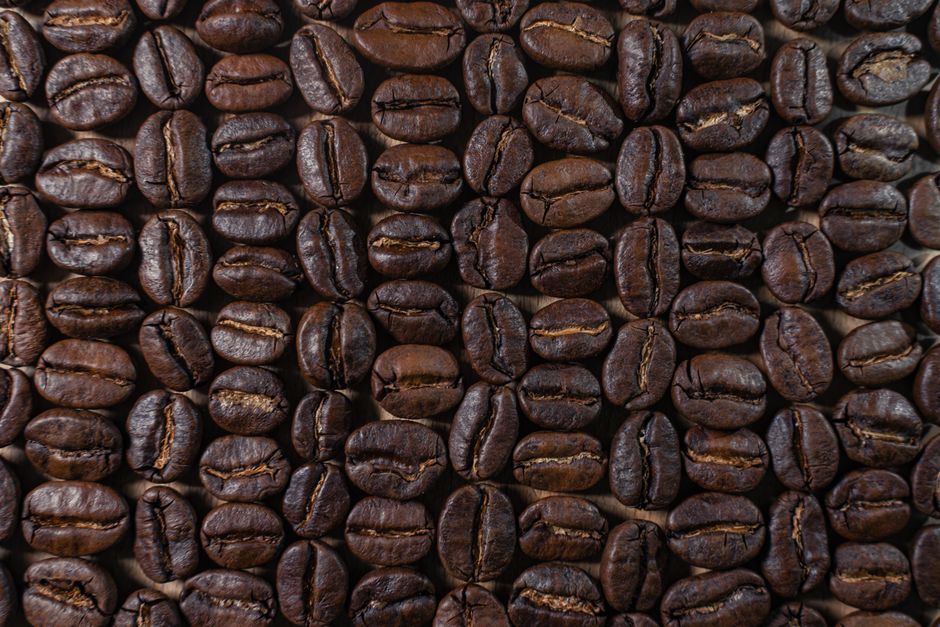
Origin and Cultivation of Arabica and Robusta
Arabica coffee comes from the Coffea arabica plant and typically grows at higher altitudes, specifically between 1,500 to 2,200 meters (roughly 4,900 to 7,200 feet). This makes it more sensitive to temperature fluctuations and pests. It thrives best in specific regions like Central and South America, Eastern Africa, and parts of Asia.
In contrast, Robusta, originating from Coffea canephora, is hardier and can grow at lower altitudes, adapting well to warmer climates. It generally prefers elevations below 600 meters (about 2,000 feet) and is commonly cultivated in areas like Africa, Southeast Asia, and Brazil.
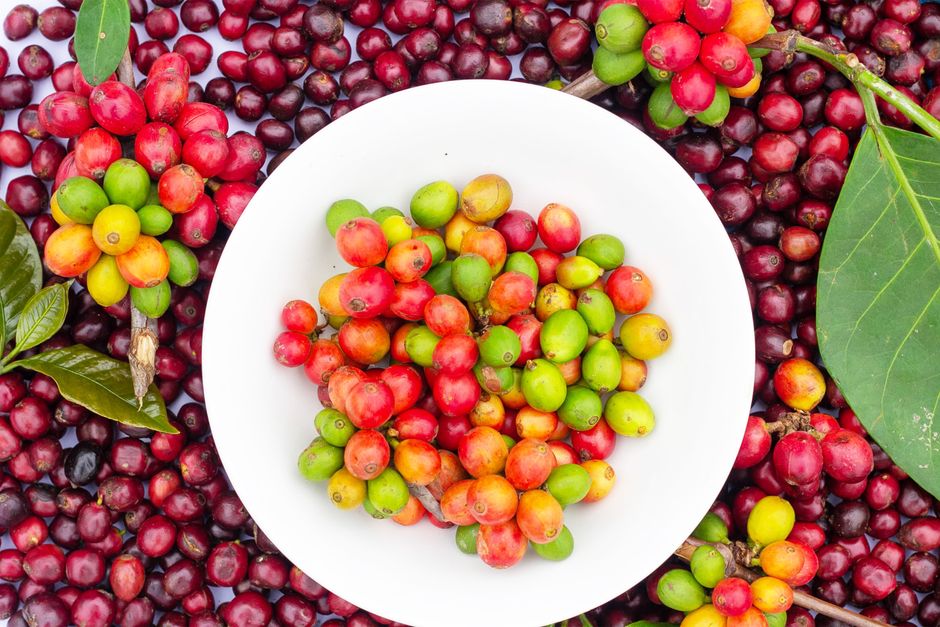
This robustness in Robusta not only makes it easier to cultivate but also more resilient against diseases. In fact, Robusta plants can yield about 40% more coffee cherries than their Arabica counterparts. However, this higher yield comes at a cost; while Robusta is cheaper to produce, it often leads to a lower quality bean.
Comparing Taste Profiles: Arabica vs Robusta
When it comes to flavor, Arabica coffee is known for its complex taste with a wide range of flavor notes, including fruit, sugar, and even floral qualities. I’ve often found that Arabica brews have a pleasant acidity with a smooth finish, making them a great choice for those who enjoy specialty coffee drinks.
On the other hand, Robusta has a stronger, earthier flavor often described as more bitter and grainy. Some people report that it has less acidity and a thicker crema when brewed, which can be preferred in certain espresso preparations.
If you’re looking for the best flavor experience and aroma, Arabica takes the crown. It holds more sugar and the caffeine content in Arabica averages around 1.2% to 1.5%, compared to Robusta, which usually runs between 2.2% and 2.7%. While this higher caffeine level can make Robusta coffee taste more bitter, some enthusiasts appreciate its robust profile for espresso blends or when they need a strong jolt of energy.
Caffeine Content and Health Benefits
The caffeine content in coffee not only affects flavor but also impacts how it interacts with your body. Since Robusta contains almost double the caffeine of Arabica, it tends to offer a more potent kick, something important for those seeking an intense coffee experience. This elevated caffeine level means Robusta is often used in energy-boosting blends and instant coffees.
While caffeine can sometimes contribute to jitters, a moderate intake has been shown to offer health benefits such as improved metabolism and even enhanced mental performance. If picking a coffee from a health perspective, some may prefer Arabica due to its lower caffeine content and smoother taste, while Robusta can also have its place for specific needs.
Pricing and Market Trends
On the economic side, the cost of Arabica beans tends to be higher than that of Robusta beans. This price variance can be attributed to Arabica’s complex cultivation requirements and lower yield. Currently, Arabica often trades at around $1.50 to $3.50 per pound on the commodity market, whereas Robusta generally sells for $1 to $1.50 per pound.
If you’re watching your budget, Robusta might seem like a smarter financial choice, but don’t underestimate the quality and unique flavor profile that well-sourced Arabica can offer.
When shopping for coffee, you need to consider not just the type but also the source. Quality Arabica beans from reputable growers can command a premium, but they often offer unparalleled flavor experiences that justify the price. If you’re a coffee enthusiast trying to explore different flavor spectrums, investing in high-quality Arabica is worth it. For more details on what is the difference between arabica and robusta, you can check out this resource.
Related reading: toaster oven vs convection.
Related reading: toaster oven vs convection.
Conclusion: Which Coffee Bean Should You Choose?
For those who prefer a smooth, mild flavor, Arabica is the better choice. If you're after a stronger, more bitter taste, Robusta will meet your needs. Personally, I recommend sticking with Arabica for regular coffee, but reach for Robusta when you want a powerful espresso.
Frequently Asked Questions
What is the taste difference between Arabica and Robusta?
Arabica coffee is generally sweeter, more complex, and has a wider range of flavors, often with hints of fruit and sugar. In contrast, Robusta has a stronger, harsher taste that can be described as earthy or nutty, with a more pronounced bitterness.
Why is Arabica coffee more expensive than Robusta?
Arabica coffee is typically more expensive due to its more challenging cultivation requirements, including specific climate conditions and greater susceptibility to pests and diseases. Additionally, Arabica beans are often handpicked, which increases labor costs compared to the more robust and easier-to-harvest Robusta.
How do Arabica and Robusta differ in caffeine content?
Arabica beans contain less caffeine, averaging about 1.2% to 1.5%, while Robusta beans have a higher caffeine content, usually around 2.2% to 2.7%. This higher caffeine level contributes to the more bitter taste of Robusta coffee.
Is Arabica coffee better for health than Robusta?
Arabica coffee is often considered to be a healthier choice due to its higher levels of antioxidants and lower caffeine content, which can be easier on the heart. However, the health benefits can vary depending on individual health conditions and preferences.
Can Arabica and Robusta be blended together?
Yes, Arabica and Robusta can be blended together to create a balanced flavor profile, combining the sweetness and complexity of Arabica with the strength and caffeine boost of Robusta. Many coffee blends on the market utilize this combination to enhance taste and body.





Leave a Reply