

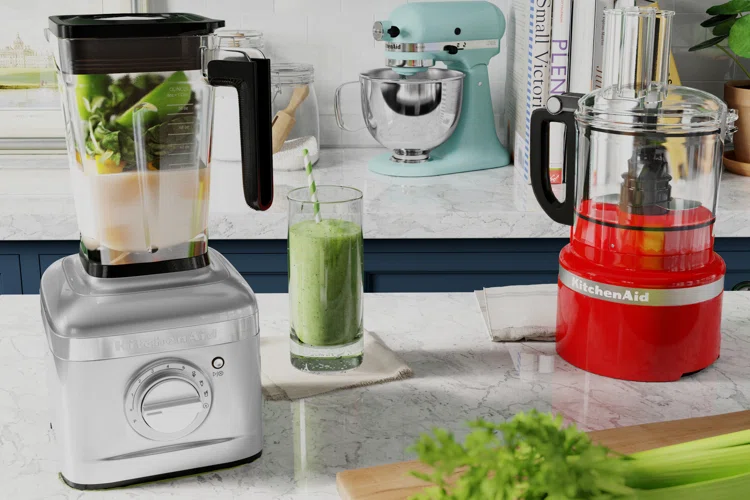
Blenders and food processors are both powerful kitchen tools—but they’re built for different jobs. If you’ve ever wondered which one to use for smoothies, soups, chopping veggies, or mixing dough, this guide breaks down the key differences so you can choose the right tool for the task.
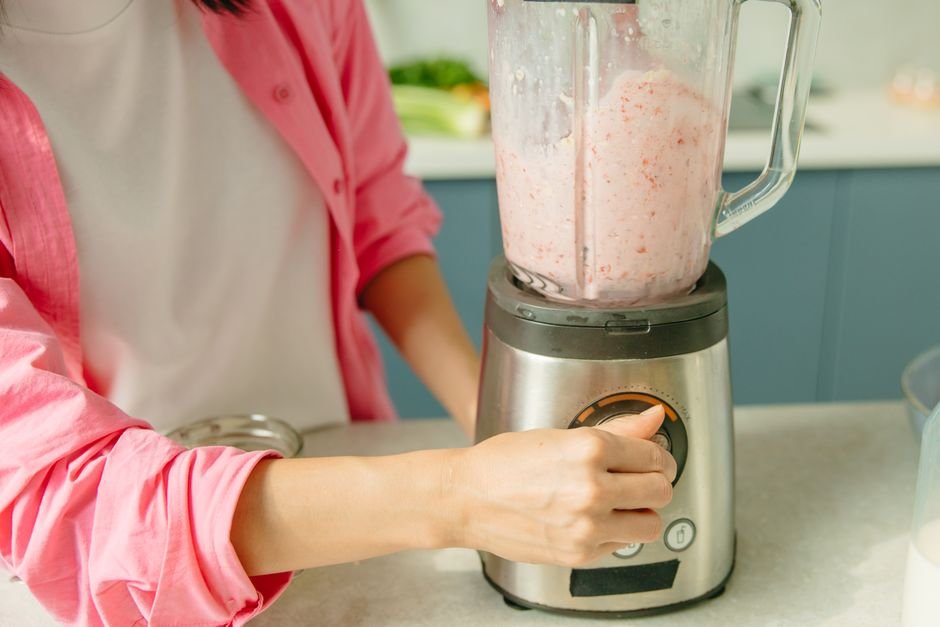
What a Blender Is Best For
Blenders are designed to handle liquids and soft ingredients. Their tall jars and sharp blades are optimized for creating smooth textures.
Common Uses for Blenders
- Making smoothies and protein shakes
- Blending soups or sauces
- Crushing ice
- Mixing pancake or crepe batter
- Pureeing fruits and vegetables
Blenders excel at creating a consistent liquid or semi-liquid texture. If it needs to be drinkable or pourable, a blender is your go-to.
Types of Blenders
- Countertop blenders (full-size for most kitchen tasks)
- Personal blenders (smaller, often used for single servings)
- High-performance blenders (like Vitamix, great for heavy-duty blending)
What a Food Processor Is Best For
Food processors are designed for chopping, slicing, shredding, mixing, and kneading. They usually come with various blade attachments and wide bowls to handle bulkier ingredients.
Common Uses for Food Processors
- Slicing or grating vegetables
- Making pie or cookie dough
- Chopping nuts or herbs
- Shredding cheese
- Mixing dips like hummus or pesto
A food processor is ideal when you’re working with solid or tough ingredients, or when you need a specific texture or cut.
Common Attachments Include
- Slicing discs
- Shredding discs
- Dough blades
- Chopping blades
Key Differences at a Glance
Blenders
- Best for liquids and smooth textures
- Great for smoothies, soups, sauces
- Usually has one blade and multiple speed options
- Tall, narrow design
Food Processors
- Best for dry or solid ingredients
- Great for chopping, slicing, shredding
- Comes with multiple blade/disc attachments
- Wide bowl for easy ingredient handling
Can You Use One Instead of the Other?
Sometimes, yes—but with limitations.
You can make a smoothie in a food processor, but it may not be as smooth. You can use a blender to chop nuts, but you’ll need to pulse carefully and may not get even results.
Which One Should You Get?
If you mostly make drinks, soups, or anything liquid-based, go for a blender.
If you love prepping veggies, making dough, or chopping in bulk, a food processor is a better fit.
If you do both regularly, it might be worth having both—or investing in a hybrid appliance that offers interchangeable attachments.
Common Mistakes to Avoid
When deciding between a blender and a food processor, many users make critical errors. One frequent mistake is attempting to blend thick mixtures in a blender. Thick batters or doughs can damage blender blades, leading to costly repairs. Instead, opt for a food processor that can handle those textures easily.
Another common issue is overfilling. Many people fill their machines past the recommended line, causing overflow and messy clean-ups. Always adhere to the maximum capacity indicated on your appliance.
Using the wrong attachment is also a prevalent mistake. For example, blending a thick smoothie with a whisk attachment will yield poor results. Take time to understand your machine’s attachments before starting any new recipe.
Maintenance Tips for Longevity
Maintaining your blender or food processor extends its lifespan significantly. Clean the container immediately after use to prevent food residue from hardening. Most components are dishwasher safe, but check the manual beforehand.
Occasionally, inspect the blades for dullness or damage. Dull blades not only affect performance but can also lead to overheating. If you notice signs of wear, it may be time to replace them.
For both devices, ensure that the base and motor are clear of debris. Accumulated dirt can cause operational issues. A simple wipe-down with a damp cloth after use generally suffices.
Cost Considerations
The price of blenders and food processors can vary widely based on their features and quality. Entry-level blenders can start at around $30, while high-end models with advanced features may cost upwards of $500. Food processors typically range from $50 to $300 based on size and attachments.
Do not forget to factor in long-term costs. While a cheaper blender may seem appealing, consider its durability and effectiveness. Often, investing a little more results in a reliable machine that lasts for years.
Here’s a quick comparison to help you consider costs:
- Basic Blenders: $30 – $100
- High-End Blenders: $200 – $500+
- Basic Food Processors: $50 – $150
- Advanced Food Processors: $200 – $300+
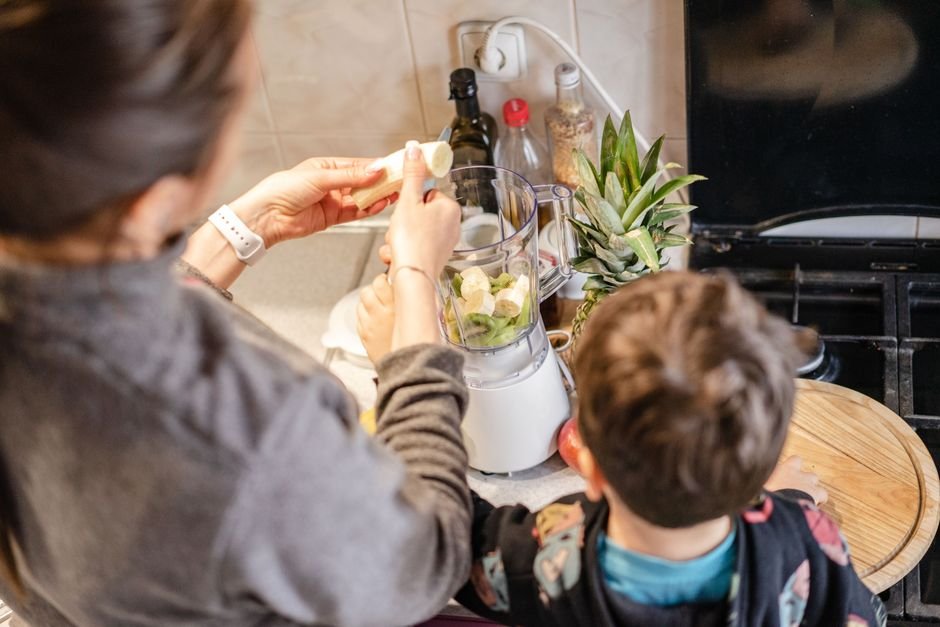
Who Each Option Suits Best
Your cooking habits will largely determine whether a blender or a food processor is more suitable. If you frequently make smoothies, sauces, or soups, a blender will be your best friend. It excels in creating smooth textures quickly and efficiently.
On the other hand, if you enjoy cooking meals from scratch that require chopping, slicing, or grating, a food processor is ideal. It saves you time on prep work, particularly for tasks like shredding cheese or dicing vegetables.
A family that loves to meal prep will benefit from a food processor’s larger capacity. Conversely, if your kitchen space is limited, a compact blender offers multifunctionality without taking much room.
If that matters to you, our piece on toaster oven vs convection goes further.
Final Thoughts
Blenders and food processors serve different kitchen needs, and understanding what each one does best can save you time, frustration, and counter space. Choosing the right tool for your cooking style helps make prep work faster and more enjoyable. If you’re interested in what’s the difference between blenders and food processors, check out this Food processor article for more information.
Leave a Reply