

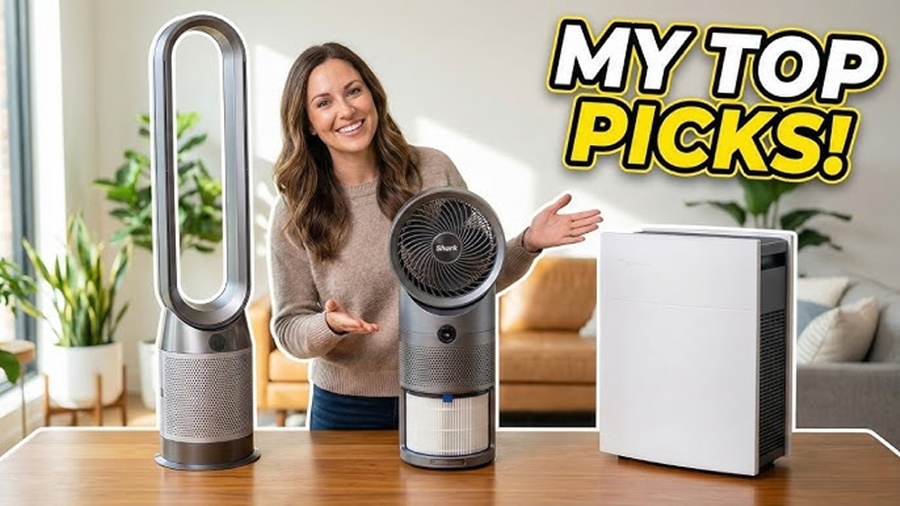
Air Purifier vs Fan: Which One is Better for Your Home? An air purifier is generally the superior choice for enhancing indoor air quality, as it can remove up to 99.97% of particles as small as 0.3 microns, including allergens and pollutants. In contrast, a fan primarily circulates air for cooling without addressing air quality issues, making the air purifier the better option for health-conscious homeowners.
Understanding the differences between these two appliances can help you make the right decision based on your needs, budget, and living conditions. This article explores how air purifiers and fans work, their advantages and disadvantages, and which option is best for different situations.

What Is an Air Purifier?
An air purifier is a device that cleans indoor air by removing contaminants such as dust, pollen, pet dander, smoke, mold spores, bacteria, and other airborne particles. Most modern air purifiers use filters, including High-Efficiency Particulate Air (HEPA) filters, to trap pollutants.
Some advanced models also include activated carbon filters to reduce odors and volatile organic compounds (VOCs), while others use UV light or ionization technology to target microorganisms.
Benefits of Air Purifiers
- Improve indoor air quality
- Reduce allergens and asthma triggers
- Remove dust and pet dander
- Help eliminate unpleasant odors
- Filter smoke and airborne pollutants
- Create a healthier living environment
Drawbacks of Air Purifiers
- Higher initial purchase cost
- Require regular filter replacement
- Consume electricity continuously
- Do not significantly cool a room
What Is a Fan?
A fan is a device that moves air around a room. Unlike an air conditioner, a fan does not lower the actual temperature of the air. Instead, it creates airflow that helps sweat evaporate from the skin, making people feel cooler.
Fans come in various types, including ceiling fans, pedestal fans, tower fans, desk fans, and wall-mounted fans.
Benefits of Fans
- Provide immediate cooling sensation
- Affordable and widely available
- Energy-efficient compared to air conditioners
- Easy to install and maintain
- Improve air circulation within a room
Drawbacks of Fans
- Do not remove pollutants or allergens
- May circulate dust and airborne particles
- Less effective in extremely hot conditions
- Offer no air-cleaning benefits
Air Purifier vs Fan: Key Differences
Purpose
The primary difference lies in their purpose.
An air purifier is designed to improve air quality by removing harmful particles from the air. A fan is designed to improve comfort by increasing airflow.
Air Quality
Air purifiers are highly effective at reducing indoor pollutants, allergens, and odors. Fans have no filtering capability and may even spread dust around the room.
Cooling Effect
Fans provide a cooling sensation through air movement. Air purifiers generally do not cool a room, although some models have airflow that may feel slightly refreshing.
Energy Consumption
Most fans use less electricity than air purifiers. However, energy consumption varies depending on the size and model of the device.
Maintenance
Fans require minimal maintenance, usually involving occasional cleaning. Air purifiers require periodic filter replacement, which adds to long-term operating costs.
Cost
Fans are generally less expensive than air purifiers. Basic fans can be purchased at low prices, while quality air purifiers often cost significantly more due to advanced filtration systems.
Which Is Better for Allergies?
If you suffer from allergies, an air purifier is the better choice. HEPA filters can capture pollen, dust mites, pet dander, and other allergens that commonly trigger allergic reactions.
A fan may actually worsen allergy symptoms by stirring up dust particles and distributing them throughout the room.
Which Is Better for Hot Weather?
For hot weather, a fan is the better option because it creates airflow that helps the body cool itself naturally. While an air purifier may improve breathing comfort in polluted environments, it will not significantly reduce feelings of heat.
For maximum comfort, many people use both a fan and an air purifier together.
Which Is Better for Pet Owners?
Pet owners often benefit more from an air purifier because it can capture pet hair, dander, and odors. This helps maintain cleaner air and reduces allergy symptoms.
A fan can help circulate air but will not remove pet-related pollutants.
Which Is Better for Smoke and Odors?
Air purifiers are specifically designed to address smoke, cooking smells, and household odors, especially models equipped with activated carbon filters.
Fans only move the air around and cannot eliminate the source of odors or smoke particles.
Can You Use Both Together?
Yes. In fact, using both devices together can provide the best results.
An air purifier continuously removes contaminants from the air, while a fan improves airflow and comfort. Together, they create a cleaner and more pleasant indoor environment.
This combination is particularly useful in:
- Bedrooms
- Living rooms
- Home offices
- Homes with pets
- Areas with high pollution levels
- Allergy-prone households
Who Should Buy an Air Purifier?
An air purifier is ideal for:
- Allergy sufferers
- Asthma patients
- Pet owners
- People living in polluted cities
- Households with smokers
- Individuals concerned about indoor air quality
Who Should Buy a Fan?
A fan is ideal for:
- People seeking affordable cooling
- Residents in warm climates
- Individuals wanting lower energy costs
- Small apartments and offices
- Those who need better air circulation
Conclusion
Choosing between an air purifier and a fan depends on your specific needs. If your primary concern is cleaner, healthier air, an air purifier is the better investment. If your goal is to stay cool and improve comfort during warm weather, a fan is the more suitable choice.
For many households, the ideal solution is not choosing one over the other but using both together. An air purifier can keep the air clean and free from pollutants, while a fan can provide refreshing airflow and enhanced comfort. By understanding the strengths of each device, you can create a healthier and more comfortable indoor environment when considering air quality.





Leave a Reply