


Neglecting to oil your garden tools can cost you an average of $50 to $100 in replacements each year. Proper maintenance is crucial; tools that are well cared for can last up to 25 years, while those ignored may only serve you for a few seasons.
Many people assume that garden tools are durable and can withstand the elements without any additional care. This is a common misconception. The truth is, a few simple maintenance steps can protect your investment and keep your tools sharp and functioning effectively. Here’s how to maintain garden tools with specific strategies and techniques.
Cleaning Techniques for Garden Tools
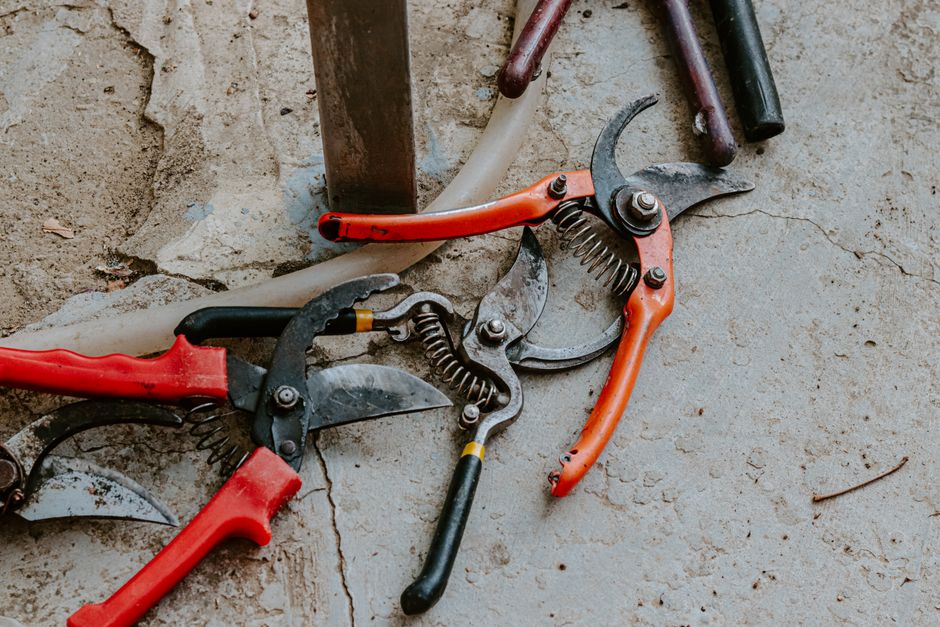
Cleaning your garden tools after every use is one of the best practices you can adopt. Soil and debris left on tools can lead to corrosion over time. I recommend using a wire brush or putty knife to remove stubborn dirt. Follow this by rinsing the tools with water, and don’t forget to dry them thoroughly.
Any moisture left behind can invite rust, which is detrimental to the metal parts.
For tools coated in sap or other sticky substances, a simple solution of vinegar and water works wonders. Soak the affected area and wipe it down with a cloth. This method saves you time and ensures your tools stay in optimal shape. Remember, a clean tool not only operates better but also makes gardening a more enjoyable experience.
Rust Prevention: A Non-Negotiable
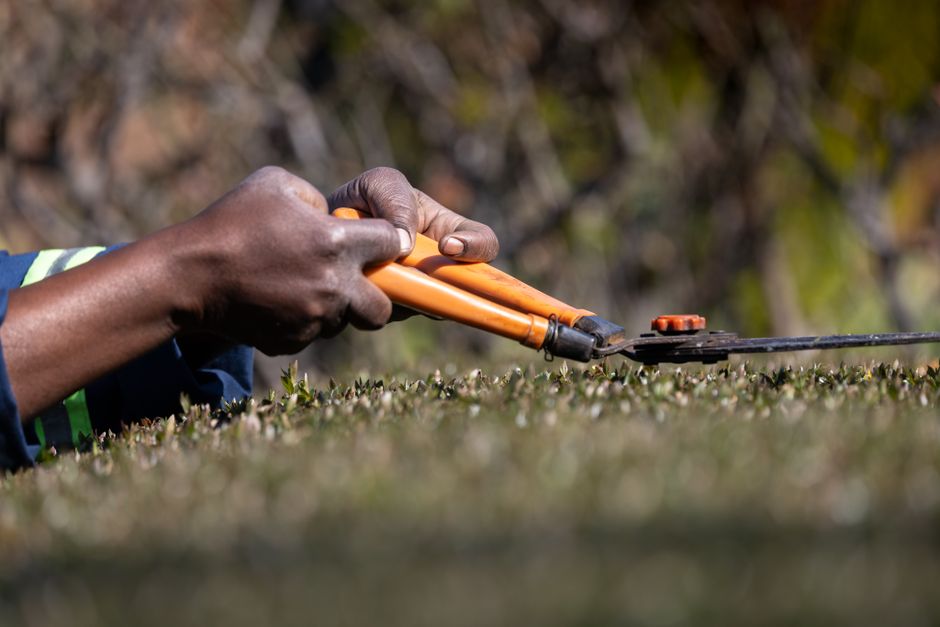
Rust is the enemy of metal garden tools, particularly those made of steel. To prevent rust, keep your tools dry and store them in a cool, dry place. You should also apply a light coat of oil to the metal components after cleaning. I prefer using mineral oil because it offers excellent protection without being too greasy.
One mistake many people make is waiting until rust appears to take action. Don’t let it get to that point! If you notice any rust developing, use sandpaper to remove it and then apply the oil immediately to seal the surface. This proactive method ensures your tools will last for years.
Proper Storage: Don’t Overlook This Step
How you store your garden tools is just as important as how you clean and maintain them. I’ve seen many tools left outside or in damp sheds, leading to premature wear and tear. Instead, invest in a pegboard or tool rack in your shed or garage. This keeps tools off the ground, prevents damage, and helps you quickly find what you need.
Additionally, for delicate tools like pruners, consider wrapping blades with cloth or using blade guards. This adds an extra layer of protection against dust and moisture. I can’t stress enough that proper storage saves not only room but also money over time.
Sharpening Tools: Essential for Optimal Performance
A sharp blade is critical for clean cuts and effective gardening, but many people overlook this routine. You should sharpen your tools regularly, especially pruners and shears. A dull blade can damage plants by tearing instead of cutting, which may invite diseases.
The best way to sharpen tools is to use a sharpening stone or file. Start with a coarse grit to shape the edge, followed by a finer grit for a smooth finish. I’ve found this works much better than relying on pre-made sharpeners or electric devices, which can sometimes ruin the blade’s edge.
Aim to sharpen after every few uses or at the start of each gardening season to ensure peak performance.
Lubrication Techniques to Keep Moving Parts Working
Not only do the cutting edges need care, but so do the moving parts of your tools. Lubrication is key to keeping these components running smoothly. For tools with joints, use a few drops of machine oil to prevent rust and ensure fluid movement. I often apply oil to the hinges of my shears and the pivot points on various tools after cleaning.
You might be tempted to skip this step, but trust me, a well-lubricated tool will make your work significantly easier. It helps the wear and tear on your tools diminish over time and ensures that they remain in prime condition.
Keep a Maintenance Schedule for Your Tools
Many gardeners forget to check on their tools until they need them again. To combat this, I suggest keeping a maintenance schedule. Whether it’s monthly inspections, seasonal cleanings, or yearly sharpenings, having this schedule makes maintenance part of your gardening routine.
- Monthly cleaning and inspection
- Seasonal sharpening
- Yearly rust prevention oil application
Creating a routine minimizes the chances of major issues developing over time. If you are also dealing with organizing tools effectively, I have a detailed guide on that here: How to Properly Store Your Tools While Traveling.
The Takeaway: Your Tools Are an Investment
For optimal garden tool maintenance, invest in a high-quality rust preventive spray and a sharpening stone. This combination suits both novice gardeners who want simplicity and experienced ones looking for efficiency. Regular care will save you money and enhance your gardening experience.
If that matters to you, our piece on maintain your home improvement goes further.
For more, read about does my renovation show.
Frequently Asked Questions
How do I clean rust off garden tools?
To clean rust off garden tools, you can use a mixture of vinegar and baking soda to create a paste, applying it to the rusted areas and letting it sit for a while. For tougher rust, scrub with steel wool or a wire brush, followed by wiping clean and drying thoroughly to prevent further corrosion.
What oil is best for garden tools?
The best oils for garden tools are mineral oil and vegetable oil due to their protective properties. These oils can help prevent rust and keep the metal parts functioning smoothly.
Why should you maintain garden tools?
Maintaining garden tools is essential for ensuring their longevity, efficiency, and performance. Regular upkeep prevents rust, wear, and tear, making your gardening tasks easier and more effective.
Is sharpening garden tools necessary?
Yes, sharpening garden tools is necessary to ensure clean cuts and efficient operation. Dull tools can cause damage to plants, increase the risk of injury, and make gardening tasks more arduous.
Can you use WD-40 on gardening tools?
Yes, WD-40 can be used on gardening tools to help protect against rust and provide lubrication. However, it's best to use it in moderation and ensure tools are clean before application.



Leave a Reply