

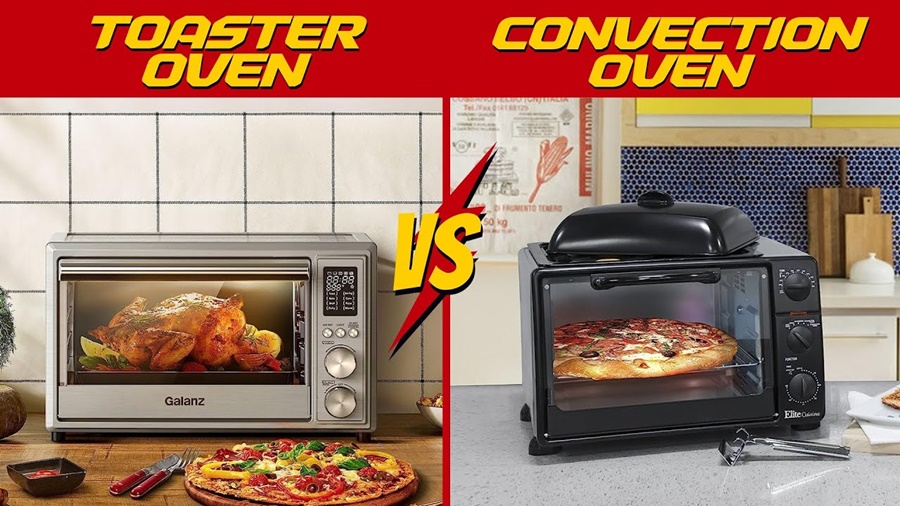
Choosing between a toaster oven and a regular oven can significantly affect your cooking experience, energy use, and kitchen workflow. While both appliances are designed to cook food using heat, they serve different purposes and excel in different situations. This article breaks down the key differences between a toaster oven and a regular oven to help you decide which one best suits your needs.

What Is a Toaster Oven?
A toaster oven is a compact countertop appliance that uses electric heating elements to cook food. It combines the functions of a toaster and a small oven, allowing users to toast, bake, broil, and reheat food in smaller portions.
Toaster ovens are commonly used for quick meals, snacks, and reheating leftovers. Some advanced models include convection fans, air-frying capabilities, and digital controls.
What Is a Regular Oven?
A regular oven is a full-size appliance, usually built into a kitchen range or installed separately. It can be powered by electricity or gas and is designed to handle large quantities of food.
Regular ovens are ideal for baking, roasting, and cooking complete meals, especially for families or gatherings. They often come with advanced features such as self-cleaning modes, precise temperature controls, and multiple racks.
Size and Capacity
One of the most noticeable differences is size.
- Toaster ovens are compact and sit on countertops. They are best suited for small portions, such as a few slices of pizza or a single baking tray.
- Regular ovens are much larger and can accommodate multiple dishes at once, making them ideal for roasting whole chickens, baking large batches, or cooking multiple courses simultaneously.
If kitchen space is limited, a toaster oven may be the better choice.
Cooking Speed and Preheating
Toaster ovens generally heat up faster than regular ovens due to their smaller size.
- Toaster ovens require little to no preheating and cook food more quickly for small portions.
- Regular ovens take longer to preheat but provide consistent heat for longer cooking times.
For quick meals, toaster ovens offer a clear advantage.
Energy Efficiency
Energy consumption is another important factor.
- Toaster ovens use less electricity because they heat a smaller space, making them more energy-efficient for small meals.
- Regular ovens consume more energy, especially when used for short cooking tasks that do not require full capacity.
Using a regular oven for small portions can lead to unnecessary energy waste.
Cooking Performance and Versatility
Both appliances are versatile, but their strengths differ.
- Toaster ovens excel at toasting, reheating, broiling small items, and quick baking tasks.
- Regular ovens provide more even heat distribution and better results for baking bread, cakes, and large roasts.
For precision baking and large meals, regular ovens perform better.
Temperature Control and Consistency
- Regular ovens typically offer more accurate and stable temperature control, which is essential for complex recipes.
- Toaster ovens may have slight temperature fluctuations, especially in basic models, though high-end versions perform better.
Professional or frequent bakers often prefer regular ovens for this reason.
Cleaning and Maintenance
Cleaning convenience varies between the two.
- Toaster ovens are smaller and easier to clean but can accumulate grease quickly due to their compact interior.
- Regular ovens require more effort to clean, though many models include self-cleaning features.
Maintenance depends largely on frequency of use and cooking style.
Cost and Affordability
- Toaster ovens are generally more affordable, with prices ranging from budget to mid-range.
- Regular ovens are more expensive due to their size, installation requirements, and advanced features.
For budget-conscious buyers, toaster ovens are a cost-effective option.
Which One Should You Choose?
The choice depends on your lifestyle and cooking habits:
- Choose a toaster oven if you cook small portions, want faster meals, save energy, or have limited kitchen space.
- Choose a regular oven if you frequently cook large meals, bake often, or need precise temperature control.
Many households find value in owning both appliances for different purposes.

Who Each Option Suits Best
A toaster oven is ideal for individuals or small families who want quick meals. Its compact size fits kitchens with limited counter space. If you’re cooking for one or two, a toaster oven often meets your needs without wasting energy.
On the other hand, a regular oven suits larger families or those who enjoy entertaining. When cooking multiple dishes simultaneously, you can bake, roast, and broil without sacrificing space. If you frequently host gatherings, a full-sized oven is a worthwhile investment. For more detailed information on household cooking solutions, refer to this resource.
Conclusion
Toaster ovens and regular ovens each have unique advantages. Toaster ovens are compact, energy-efficient, and ideal for quick cooking, while regular ovens offer superior capacity, consistency, and versatility for larger meals. Understanding these key differences can help you make an informed decision that fits your cooking needs and kitchen setup.





Leave a Reply