

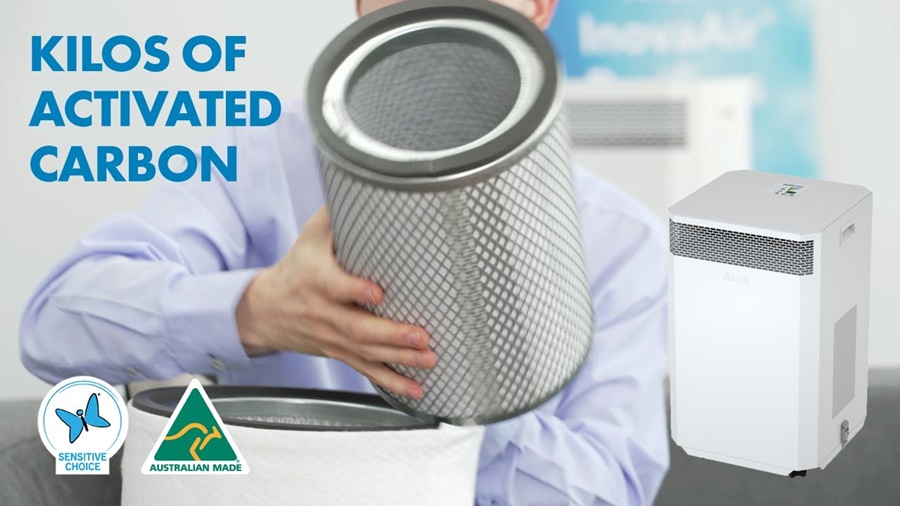
Two commonly discussed options are air purifiers and activated carbon filters. Indoor air quality has become a major concern for homeowners, businesses, and health-conscious individuals. Air pollution is not limited to outdoor environments; indoor spaces can contain dust, allergens, smoke, volatile organic compounds (VOCs), and unpleasant odors. To address these issues, many people turn to air purification solutions.
Although these terms are often used interchangeably, they are not the same thing. An activated carbon filter is actually one component that may be found inside certain air purifiers. Understanding the differences between air purifiers and activated carbon filters can help consumers choose the right solution for their specific air quality needs.
What Is an Air Purifier?
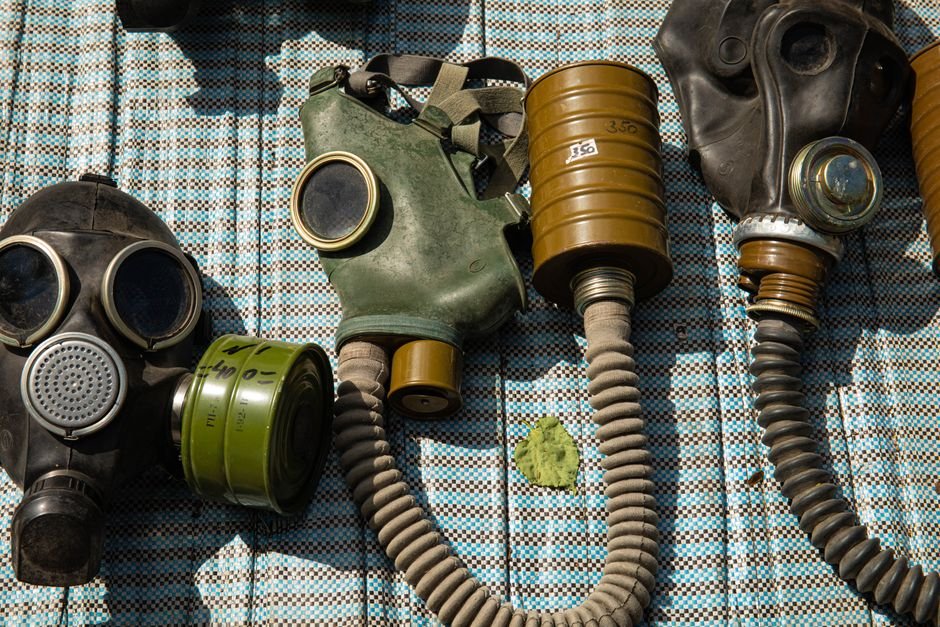
An air purifier is a device designed to improve indoor air quality by removing contaminants from the air. Air purifiers use various filtration technologies to capture or neutralize pollutants.
Common types of air purification technologies include:
- HEPA (High-Efficiency Particulate Air) filters
- Activated carbon filters
- UV-C light technology
- Ionizers
- Electrostatic filters
- Photocatalytic oxidation systems
Air purifiers continuously draw air into the device, pass it through one or more filtration stages, and release cleaner air back into the room.
Benefits of Air Purifiers
- Removes airborne particles
- Dust
- Pollen
- Pet dander
- Mold spores
- Reduces allergens
- Helps people with allergies and asthma breathe more comfortably.
- Improves indoor air quality
- Creates a cleaner and healthier environment.
- Captures smoke particles
- Useful in homes affected by wildfire smoke or tobacco smoke.
- May reduce bacteria and viruses
- Certain models include UV technology or advanced filtration systems.
What Is an Activated Carbon Filter?
An activated carbon filter is a specialized filtration medium made from carbon-rich materials such as coconut shells, coal, or wood. These materials are processed to create millions of tiny pores, resulting in an enormous surface area.
Activated carbon works through a process called adsorption, where gas molecules, chemicals, and odors stick to the surface of the carbon.
Unlike HEPA filters, activated carbon filters are specifically designed to remove gases and odors rather than solid particles.
Benefits of Activated Carbon Filters
- Eliminates odors
- Cooking smells
- Pet odors
- Smoke odors
- Garbage smells
- Removes harmful gases
- VOCs from paints, cleaning products, and furniture.
- Improves indoor comfort
- Creates a fresher indoor environment.
- Helps reduce chemical exposure
- Useful in homes with strong chemical fumes.
- Works silently
- The filter itself contains no moving parts.
Key Differences Between Air Purifiers and Activated Carbon Filters
1. Function
- A complete device designed to clean indoor air.
Activated Carbon Filter
- A filtration component focused on removing odors and gases.
2. Pollutants Removed
- Dust
- Pollen
- Pet dander
- Mold spores
- Smoke particles
- Some bacteria and viruses
Activated Carbon Filter
- Odors
- VOCs
- Chemical fumes
- Harmful gases
3. Technology
Air Purifier
- May use multiple technologies such as HEPA, UV, ionization, and carbon filtration.
- Uses adsorption through porous carbon material.
4. Effectiveness Against Particles
Air Purifier
- Highly effective when equipped with a HEPA filter.
Activated Carbon Filter
- Not effective for removing microscopic dust and allergens.
5. Effectiveness Against Odors
Air Purifier
- Depends on whether it includes an activated carbon filter.
Activated Carbon Filter
- Specifically designed for odor removal.
Air Purifier with Activated Carbon Filter
Many modern air purifiers combine HEPA filtration and activated carbon filtration. This combination provides comprehensive air cleaning.
How the Combination Works
HEPA Filter Removes:
- Dust
- Pollen
- Pet dander
- Mold spores
- Fine particles
Activated Carbon Filter Removes:
- Odors
- Smoke smells
- VOCs
- Chemical pollutants
Together, these technologies create a more complete air purification system than either could provide alone.
Which Option Is Better?
The answer depends on your specific needs.
Choose an Air Purifier If:
- You suffer from allergies.
- You have asthma.
- You want to remove airborne particles.
- You need comprehensive air cleaning.
- You have pets that shed hair and dander.
Choose an Activated Carbon Filter If:
- Your primary concern is odor removal.
- You want to reduce chemical fumes.
- You are sensitive to VOCs.
- You need better smoke odor control.
Best Choice: Air Purifier with Activated Carbon Filter
For most households, an air purifier that includes both a HEPA filter and an activated carbon filter offers the best overall performance. It can remove both particulate pollutants and gaseous contaminants, creating cleaner and healthier indoor air.
Maintenance Requirements
Air Purifiers
- Clean pre-filters regularly.
- Replace HEPA filters according to manufacturer recommendations.
- Check electronic components if applicable.
Activated Carbon Filters
- Replace periodically because carbon becomes saturated.
- Replacement intervals typically range from 3 to 12 months depending on usage and air quality conditions.
Cost Comparison
Air Purifiers
- Higher initial purchase cost.
- Ongoing maintenance and filter replacement expenses.
- Greater overall air cleaning capability.
Activated Carbon Filters
- Lower individual component cost.
- Must be replaced when saturated.
- Usually installed as part of a larger filtration system.
Conclusion
Air purifiers and activated carbon filters serve different but complementary purposes. An air purifier is a complete air-cleaning device that can remove particles, allergens, and other airborne contaminants. An activated carbon filter is a specialized filtration component designed to eliminate odors, VOCs, and harmful gases through adsorption.
If your goal is comprehensive indoor air quality improvement, an air purifier equipped with both HEPA and activated carbon filtration is generally the most effective solution. By understanding how each technology works, you can make an informed decision and create a cleaner, healthier indoor environment for your home or workplace.





Leave a Reply